
Taming the Devil’s Trumpet: A Guide to Propagating Datura Ferox
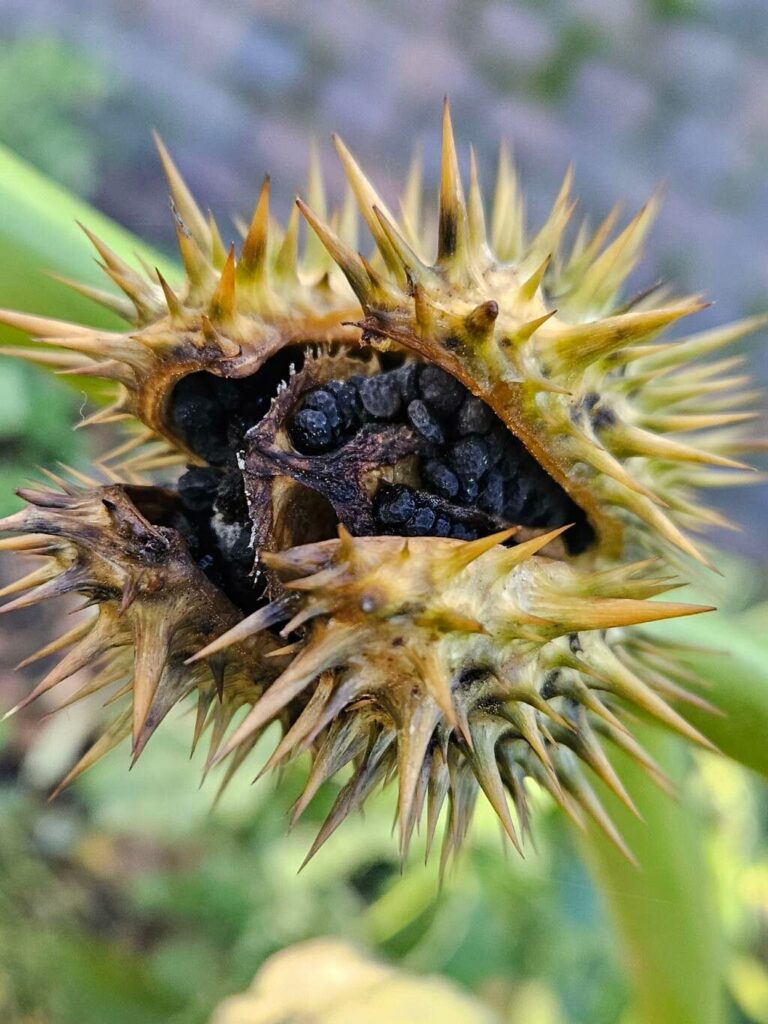
The Datura ferox, also known as the Long Spined Thorn Apple or Fierce Thornapple, is a plant that commands attention. This imposing member of the nightshade family boasts striking trumpet-shaped blooms and spiky seed pods, making it a dramatic addition to any garden. However, beneath its alluring exterior lies a plant known for its toxicity, reminding us that this beauty demands respect.
While handling Datura ferox requires caution due to its poisonous nature, propagating this fascinating plant can be a rewarding experience for adventurous gardeners. If you’re ready to introduce this unique specimen to your collection, let’s explore the methods for successfully propagating Datura ferox.
Propagation by Seed:
Datura ferox readily reproduces from seed, making this the most common and straightforward propagation method. Here’s how to do it:
- Seed Collection: The spiky seed pods of the Datura ferox contain numerous black seeds. Once the pods turn brown and begin to split open, they’re ready for harvest. Collect the seeds and store them in a cool, dry place until you’re ready to sow.
- Sowing: Datura seeds need light to germinate. Sow them directly on the soil surface in spring after the last frost. Alternatively, start seeds indoors 6-8 weeks before the last expected frost. Use a well-draining seed starting mix and maintain a temperature of around 70°F (21°C).
- Germination: With consistent moisture and warmth, expect germination within 10-21 days.
- Transplanting: Once seedlings develop a few sets of true leaves and the danger of frost has passed, harden them off gradually before transplanting outdoors into their permanent locations.
Propagation by Cuttings:
While less common, Datura ferox can also be propagated from stem cuttings:
- Taking Cuttings: In spring or early summer, select healthy, non-flowering stems. Using a sharp, sterilized knife or pruning shears, take cuttings about 4-6 inches long. Remove the leaves from the bottom inch of the cutting.
- Rooting Hormone (Optional): While not essential, dipping the cut end in rooting hormone can encourage faster and more successful rooting.
- Planting: Plant the cuttings in a well-draining potting mix. Keep the soil consistently moist but not waterlogged.
- Rooting: Place the cuttings in a warm, humid environment, away from direct sunlight. Covering the pot with a plastic bag can create a mini greenhouse effect. Rooting should occur in several weeks.
Important Considerations:
- Toxicity: Remember, all parts of Datura ferox are highly toxic. Wear gloves and handle the plant carefully during all stages of propagation and care.
- Location: Choose a sunny location with well-drained soil for your Datura ferox.
- Maintenance: Water regularly during the growing season, and fertilize monthly with a balanced fertilizer.
Propagating Datura ferox can be a captivating journey for plant enthusiasts seeking something out of the ordinary. By following these tips and taking necessary safety precautions, you can successfully grow this remarkable, albeit potentially dangerous, plant, allowing its unique beauty to grace your garden.