
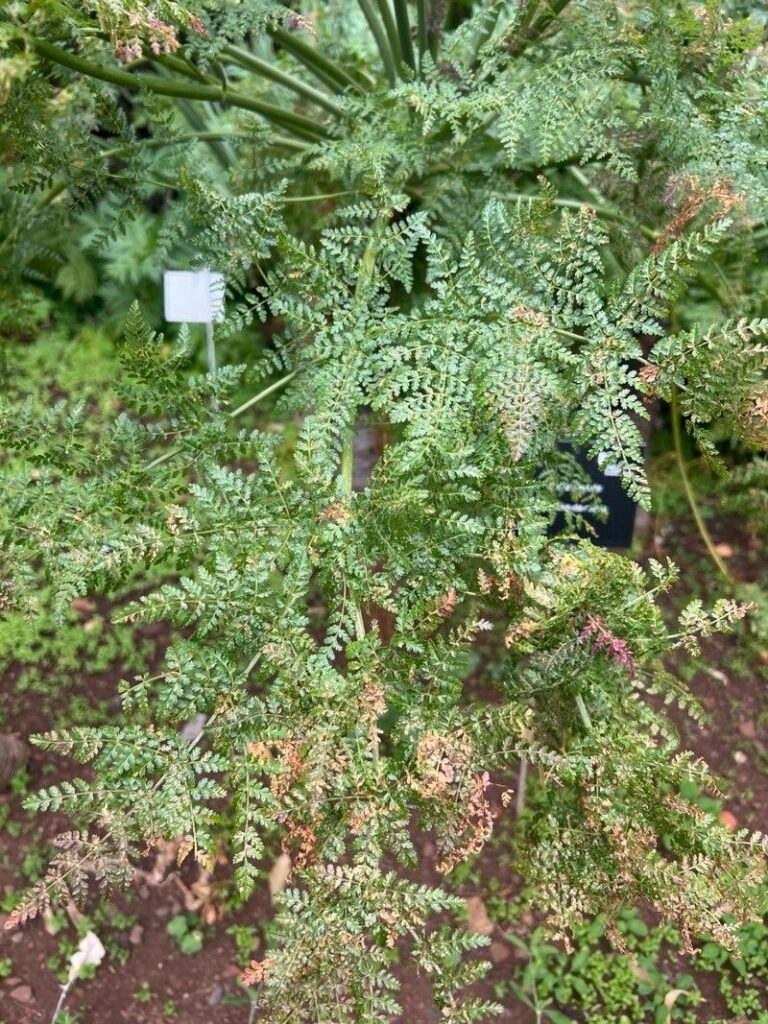
Taming the Wild Carrot: How to Grow Daucus edulis in Your Garden
The word “carrot” probably conjures images of bright orange, perfectly tapered roots from the supermarket. But did you know there’s a wilder, more ancient cousin in the carrot family? Meet Daucus edulis, also known as wild carrot or Queen Anne’s lace, a plant both beautiful and edible. While we enjoy its domesticated relative (Daucus carota subsp. sativus) at the dinner table, learning to propagate Daucus edulis can be a rewarding experience for any gardener seeking to invite a touch of wildness and history to their backyard.
Understanding the Wild Carrot
Before diving into propagation, it’s important to understand this intriguing plant. Daucus edulis is a biennial, meaning it completes its lifecycle over two years. In the first year, it focuses on growing a feathery, fern-like foliage and developing a strong taproot. The second year is when the magic happens – the plant sends up tall stalks topped with stunning umbels of delicate white flowers, often adorned with a single dark purple floret in the center. These beautiful blooms later transform into seed heads, offering a valuable resource for propagation.
Methods of Propagation
1. Seed Sowing:
- Timing is Key: Sow seeds directly in the garden either in early spring after the last frost or in late fall for overwintering. This timing allows the seeds to experience a period of cold stratification, crucial for breaking their dormancy.
- Preparation is Simple: Choose a sunny location with well-drained soil. Scatter the seeds directly on the surface and lightly rake them in, ensuring they are only slightly covered.
- Patience is a Virtue: Germination can be slow and erratic, taking anywhere from 2 to 4 weeks. Keeping the soil consistently moist will aid in germination.
2. Root Cuttings (Less Common):
- Timing for Success: This method works best in late fall or early spring when the plant is dormant.
- The Technique: Carefully dig up the taproot from a healthy first-year plant. Cut the root into 2-3 inch sections, ensuring each section has at least one growth bud.
- Let it Grow: Plant the sections vertically in a well-draining potting mix, leaving the top inch exposed. Water regularly and watch them sprout!
Tips for Success
- Embrace the Wild: Daucus edulis enjoys full sun but can tolerate partial shade. They prefer well-drained soil and are relatively drought tolerant once established.
- Friend or Foe?: While not considered invasive, wild carrot can self-seed readily. Deadhead spent flower stalks if you want to prevent excessive spreading.
- Harvest Wisely: Enjoy the young, tender leaves in salads or as a garnish. Harvest roots in the first year when they are small and sweeter.
A Rewarding Experience
Propagating Daucus edulis might require a bit more patience and understanding than cultivating its domesticated relative. However, the reward of nurturing this ancient plant, marveling at its delicate flowers, and savoring its unique flavor is truly fulfilling. So, why not invite a touch of the wild into your garden and experience the untamed beauty of the wild carrot?