
Propagating the Squirrel’s Foot Fern: A Guide to Davallia chaerophylloides
Introduction:
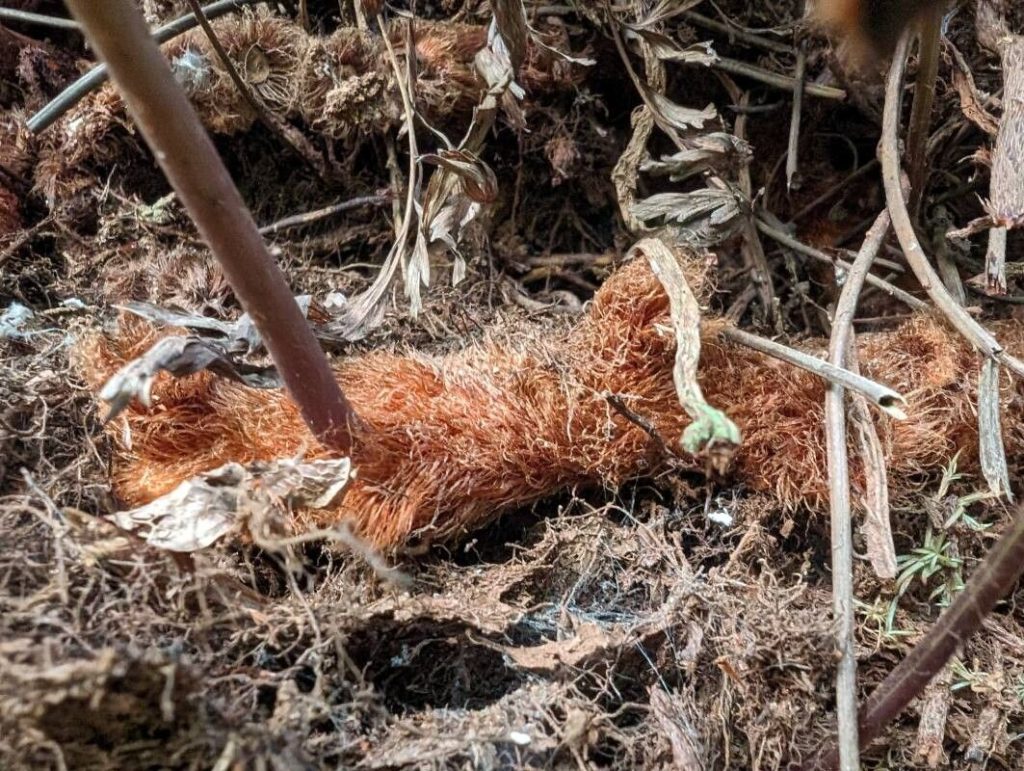
Davallia chaerophylloides, commonly known as the squirrel’s foot fern, is a captivating epiphytic fern renowned for its charming, hairy rhizomes that resemble tiny squirrel feet, clinging to tree branches in its native habitat. These rhizomes, which crawl over the surface of the substrate, are a key characteristic and a significant factor in its propagation. Its delicate, finely divided fronds add to its aesthetic appeal, making it a popular choice among fern enthusiasts. While its natural beauty makes it desirable, propagation presents unique challenges. This article will explore various methods, weighing their viability and potential rewards.
Seed Germination:
Currently, there are no known reliable methods for seed germination propagation of Davallia chaerophylloides. Spore production is often unreliable in cultivated plants, and even if spores are produced, germination rates are extremely low and successful cultivation from spore to mature plant is exceedingly rare. Further research into specific spore requirements and germination mediums might be needed to establish this as a viable technique.
Cuttings:
Cuttings from the rhizomes offer a more achievable propagation method.
- Challenges: While rhizome cuttings are relatively straightforward, success hinges on maintaining high humidity and preventing fungal infections. Sections of rhizome must contain actively growing buds to ensure successful rooting.
- Practical Tips: Take cuttings of at least 3-4 inches of rhizome, ensuring each cutting includes at least one actively growing bud. Plant the cuttings horizontally on a moist, well-draining medium like a mix of sphagnum moss and perlite, ensuring the buds are in contact with the medium. Maintain consistently high humidity (e.g., using a humidity dome or propagating in a humid environment). Regular misting is crucial. Avoid overwatering, which promotes rot.
- Rewards: Rhizome cuttings offer a relatively simple method to increase the number of plants. This technique is also less demanding than tissue culture and allows for quicker propagation than division.
Division:
Dividing established plants is a successful method for propagating squirrel’s foot ferns.
- Challenges: Mature plants must be sufficiently large and well-established to tolerate division. Care must be exercised to avoid damaging the rhizomes during the process.
- Practical Tips: Carefully remove the plant from its pot. Gently separate the rhizomes, ensuring each section contains a healthy portion of rhizomes and several fronds. Replant each division in a well-draining medium suitable for epiphytes. Maintain consistently high humidity and avoid overwatering.
- Rewards: Division is a fairly reliable method for propagation, resulting in multiple plants much faster than cuttings. It’s less technically demanding than tissue culture.
Tissue Culture:
Tissue culture presents a technically advanced yet potentially highly efficient method.
- Challenges: Tissue culture requires specialized equipment, a sterile environment, and a good understanding of plant tissue culture techniques. Finding the optimal growth media and hormone combinations for Davallia chaerophylloides may require experimentation.
- Practical Tips: Sterile techniques are essential. Small sections of rhizome or frond tissue are disinfected and placed on a nutrient-rich agar medium. The cultures are maintained under controlled environmental conditions. Subculturing is necessary as the plants grow.
- Rewards: Tissue culture has the potential for large-scale propagation and the production of disease-free plants. It offers genetic uniformity, ensuring that offspring closely match the characteristics of the parent plant.
Conclusion:
Propagating Davallia chaerophylloides presents various challenges, but the rewards of cultivating this beautiful fern are considerable. While seed germination remains unlikely and tissue culture demands expertise, rhizome cuttings and division provide accessible pathways to successful propagation. Mastering the art of maintaining high humidity and preventing rot is key to success in all three methods. The subtle satisfaction of nurturing these delicate plants from small cuttings or divisions, watching them unfurl their intricate fronds and spread their charming ‘squirrel feet,’ is a testament to patience and skill. For aspiring propagators, start with the simple methods – cuttings and division – gain experience, and then consider the more technically demanding tissue culture as a long-term goal. The unique beauty of the squirrel’s foot fern makes the efforts worthwhile.