
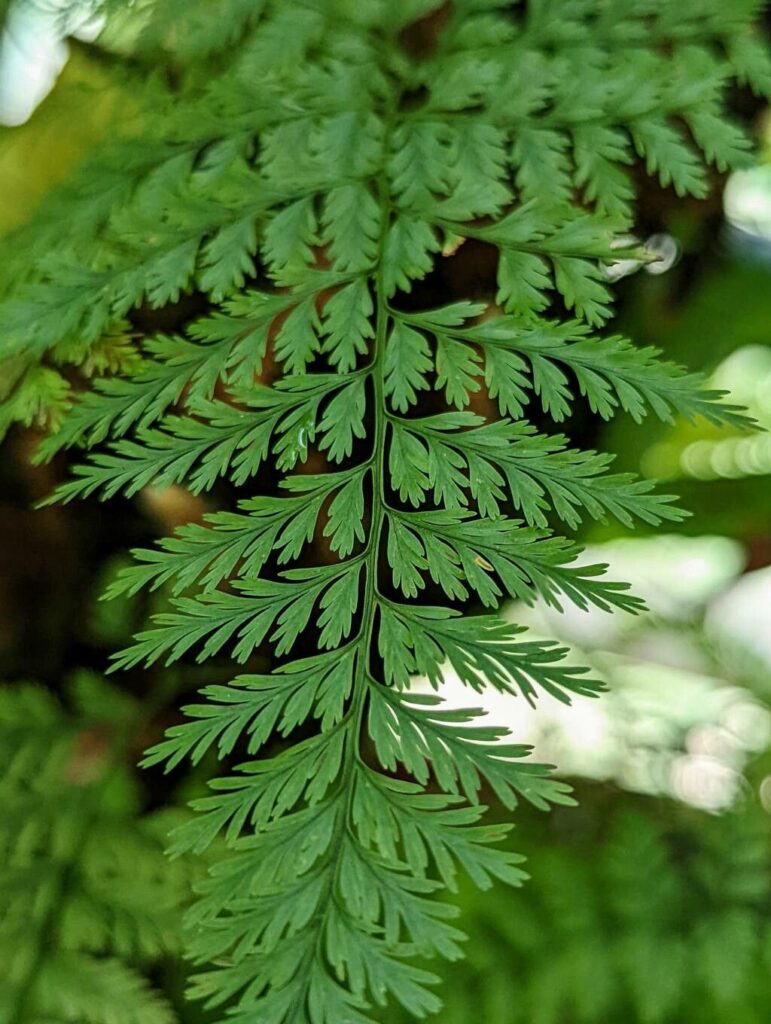
Propagating the Squirrel’s Foot Fern: A Guide to Davallia trichomanoides
Introduction:
Davallia trichomanoides, commonly known as the squirrel’s foot fern, is a captivating epiphytic fern prized for its unique, hairy rhizomes (root-like structures) that resemble tiny squirrel’s feet, sprawling across the surface of its pot or host tree. This characteristic, coupled with its delicate, finely-divided fronds, makes it a highly sought-after plant among fern enthusiasts. While relatively easy to care for once established, propagation presents some unique challenges. Its popularity, however, fuels interest in successfully multiplying this beautiful fern.
Seed Germination:
Currently, there are no known reliable methods for seed germination propagation of Davallia trichomanoides. Spores are produced, but their germination rate is extremely low under typical horticultural conditions, and successful cultivation from spores is rarely reported. Further research may uncover techniques to improve germination, but currently this method is not practical for most home cultivators.
Cuttings:
Cuttings are not a viable method for propagating Davallia trichomanoides. Unlike some other ferns, Davallia trichomanoides does not readily produce adventitious roots from stem or frond cuttings.
Division:
Challenges: Division is the most common and successful method for propagating Davallia trichomanoides. The main challenge lies in carefully separating the rhizomes without damaging them excessively. The rhizomes are delicate, and breakage can lead to rot and failure.
Practical Tips: The best time for division is during the spring or early summer when the fern is actively growing. Carefully remove the plant from its pot. Gently loosen the soil to expose the rhizomes. Use a clean, sharp knife or shears to divide the rhizome into sections, ensuring each section has several healthy fronds and a substantial portion of rhizome. Repot each section into a well-draining potting mix suitable for epiphytes, often a blend of peat moss, perlite, and orchid bark.
Rewards: Division offers a relatively straightforward method of increasing your Davallia trichomanoides collection. It allows you to quickly multiply your existing plants without the need for specialized equipment or extensive knowledge.
Tissue Culture:
Challenges: Tissue culture, while potentially yielding large numbers of plants, requires specialized equipment, a sterile environment, and advanced horticultural knowledge including a strong understanding of plant hormone applications and sterile techniques. It’s an expensive and time-consuming method that is not suitable for home propagation.
Practical Tips: This method necessitates a controlled laboratory setting with access to plant growth regulators, agar, and sterile culture vessels. Experienced tissue culture laboratories may be able to propagate this fern, but it’s not a method readily accessible to hobbyists.
Rewards: Tissue culture presents the greatest potential for large-scale propagation and for the conservation of rare or endangered cultivars.
Conclusion:
Propagating Davallia trichomanoides presents unique challenges depending on the chosen method. While seed propagation and cuttings are currently impractical, division provides a reliable, accessible method for home growers focused on expanding their collection. Tissue culture offers the potential for large-scale propagation but requires significant resources and expertise.
The satisfaction derived from successfully propagating the squirrel’s foot fern stems not only from the beautiful plants created but also from overcoming the often-delicate process of dividing these unique rhizomes. The reward of witnessing these charming ferns thrive after careful propagation is a testament to patience and skillful cultivation. For aspiring propagators, I encourage persistence and attention to detail; even small successes in division can provide immense horticultural satisfaction.