
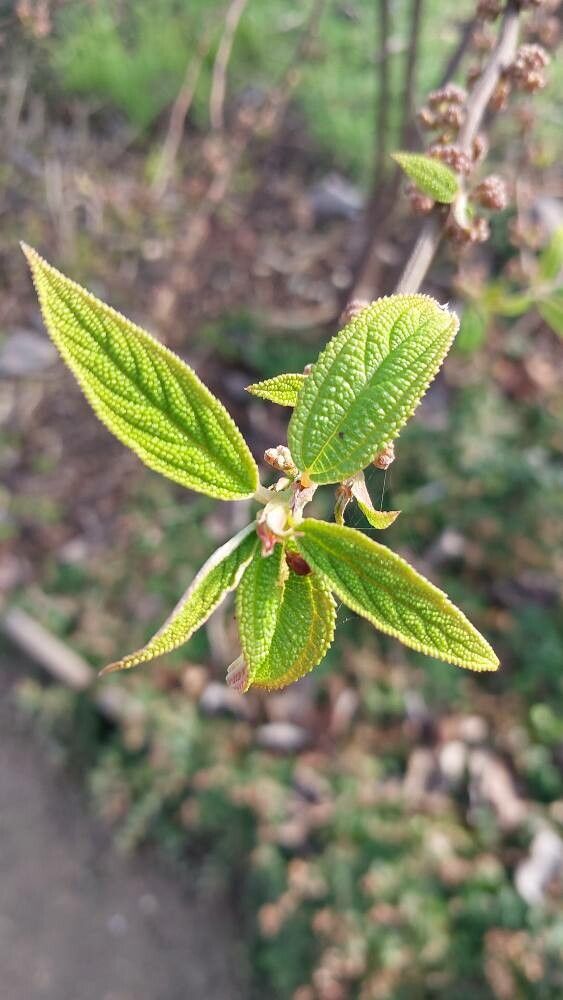
Unlocking the Secrets of Debregeasia orientalis: A Guide to Propagation
Debregeasia orientalis, with its striking foliage and unique texture, is a prized plant for plant enthusiasts. But what if we told you that you could expand your collection of these beauties – without even spending a dime? That’s the power of propagation!
This article will guide you through the fascinating world of Debregeasia orientalis propagation, demystifying the process so you can easily multiply your collection.
The Beauty and the Beast (of Propagation):
Debregeasia orientalis, also known as the “Oriental Velvet Leaf,” captivates with its velvety, textured leaves that can grow to a magnificent size. But its beauty isn’t the only appeal. This plant offers a rewarding challenge when it comes to propagation, making the process all the more fulfilling.
Methods for Multiplying your Debregeasia:
While Debregeasia orientalis can be propagated through seeds, this method is less common due to its slow germination rate and the extended timeframe for reaching maturity. The most popular and successful methods are:
-
Stem Cuttings: This is arguably the most prevalent and accessible way to propagate Debregeasia. Taking stem cuttings provides a rapid and reliable way to create new plants. We’ll break down the process below.
- Air Layering: This technique allows roots to develop on a branch while it’s still attached to the parent plant. It’s a little more involved but offers a higher success rate for seasoned propagators.
Let’s Talk Stem Cuttings:
For optimal results, take stem cuttings during the spring or summer when the plant is actively growing. Here’s a step-by-step guide:
- Selection: Choose healthy, non-flowering stems with multiple nodes (the points where leaves emerge). Ideally, select stems that are not too young or too old.
- Cutting: Using a sharp, sterile knife or pruning shears, make clean cuts just below a node. Each cutting should be about 4-6 inches long.
- Preparation: Remove the lower leaves from the cutting, leaving only a couple of leaves at the top. Apply a rooting hormone to the cut end if desired, to stimulate root growth.
- Potting: Plant the cuttings in a pot filled with a well-draining potting mix. Ensure that the node below the leaves is buried in the soil. Gently press the soil around the cutting to secure it.
- Environment: Keep the pot in a warm, humid environment with indirect sunlight or bright, filtered light. You can promote humidity by covering the pot with a clear plastic dome or simply a plastic bag.
- Watering: Keep the soil consistently moist but not soggy. Allow the top inch of soil to dry out slightly before watering again.
- Patience: With proper care, new roots should start developing within a few weeks. Keep the cuttings in their growing environment for a couple of months until they show signs of vigorous growth.
Beyond the Basics:
- Success Rate: Propagation through stem cuttings is generally successful, especially when done during the plant’s active growing period.
- Light Levels: Choose a well-lit location for your cuttings, but avoid direct sunlight, which can scorch the delicate leaves.
-
Temperature: Debregeasia orientalis prefers mild temperatures. Keep the cuttings in an environment with temperatures between 65-75 degrees Fahrenheit.
Taking it to the Next Level:
For those brave enough to master the art of air layering, it’s a rewarding experience. This technique involves making an incision on the branch and wrapping it with sphagnum moss to encourage root development.
Let’s Celebrate the Journey:
Propagating Debregeasia orientalis is an exciting adventure that allows you to witness the wonders of plant life firsthand. With patience, care, and a bit of knowledge, you can now embark on creating your own thriving collection of this magnificent plant, one stem cutting at a time.