
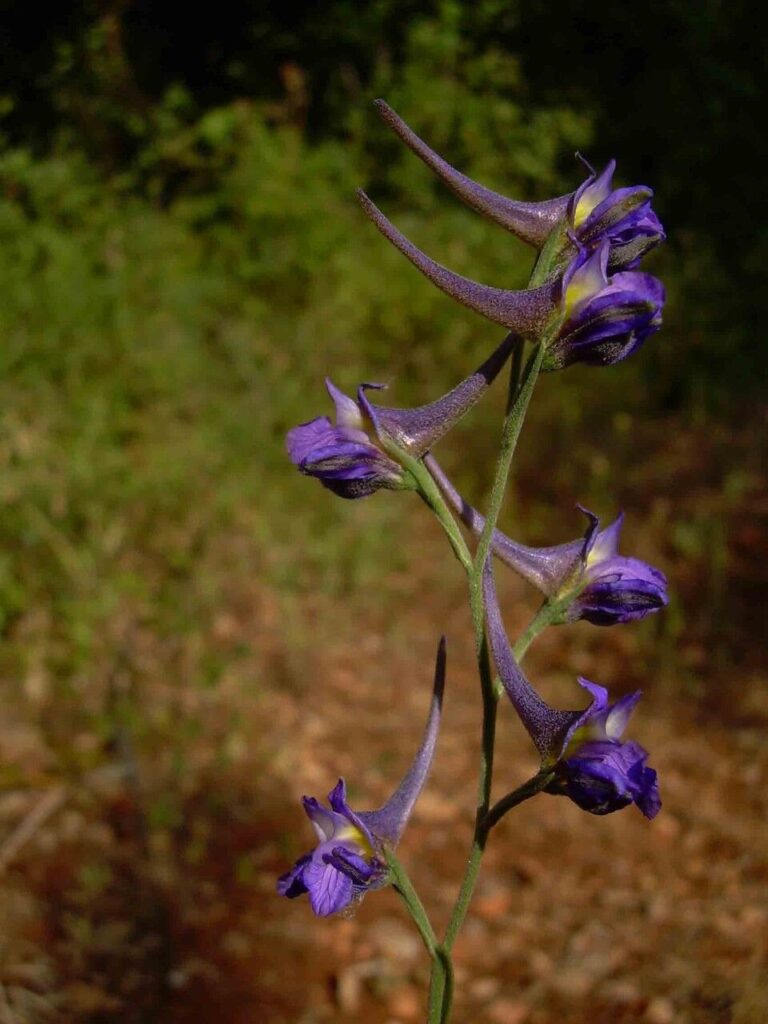
Taming the Wild Larkspur: Propagating Delphinium peregrinum
The Delphinium peregrinum, known by the charming moniker “Peregrine Larkspur”, boasts an allure that captures the hearts of wildflower enthusiasts and seasoned gardeners alike. Its delicate blossoms, painted in hues of cool blues and purples, bring a touch of untamed beauty to any landscape. However, taming this wildflower requires a certain level of dedication and understanding of its propagation methods.
Before we delve into the “how-to,” it’s essential to understand that the Peregrine Larkspur is often considered a short-lived perennial or even a biennial. This means that while it might grace you with its presence for a couple of seasons, ensuring its continued presence means active propagation.
Sowing the Seeds of Success:
Propagating Delphinium peregrinum from seed is the most common and rewarding method. Here’s how to do it:
-
Seed Collection: The best time to collect seeds is in late summer or early fall, after the flowers have faded and seed pods have formed. Look for dry, brown pods and gently collect them, storing the seeds in a cool, dry place until you’re ready to sow.
-
Cold Stratification: Peregrine Larkspur seeds require a period of cold stratification to break dormancy and stimulate germination. You can achieve this by sowing seeds in late fall directly into prepared outdoor seedbeds or by mimicking winter conditions in your refrigerator. For the latter, mix seeds with slightly damp vermiculite, place them in a sealed plastic bag, and store them in your refrigerator for 4-6 weeks.
-
Sowing Time: Whether you choose direct sowing or cold stratification, spring is the ideal time to introduce your seeds to their growing medium.
-
Sowing Outdoors: Choose a location that receives full sun to partial shade with well-draining soil. Sow seeds shallowly, pressing them gently into the soil.
-
Sowing Indoors: If starting seeds indoors, use seed trays or pots filled with a well-draining seed starting mix. Sow seeds about ¼ inch deep and mist them gently.
- Germination & Care: Peregrine Larkspur seeds can be slow to germinate, taking anywhere from 2 to 4 weeks. Keep the soil consistently moist but not waterlogged. Once seedlings emerge and have a couple sets of true leaves, you can thin them out, providing about 6-12 inches of spacing.
Beyond Seeds: Exploring Other Avenues:
While seed propagation is the most common method, it’s not the only option. In some cases, you might be able to propagate Delphinium peregrinum through basal cuttings. This method involves taking cuttings from the base of the plant in early spring and rooting them in a well-draining potting mix. However, this method is less reliable than seed propagation.
Nurturing Your Wildflower Treasure:
Once established, Delphinium peregrinum is relatively low-maintenance. Provide it with ample sunlight, well-drained soil, and water regularly, especially during dry spells. Deadhead spent blossoms to encourage more blooms and prevent self-seeding, which can lead to unwanted spreading in your garden.
By following these propagation tips and providing the right care, you can welcome the captivating beauty of the Peregrine Larkspur to your garden and enjoy its wild charm for seasons to come.