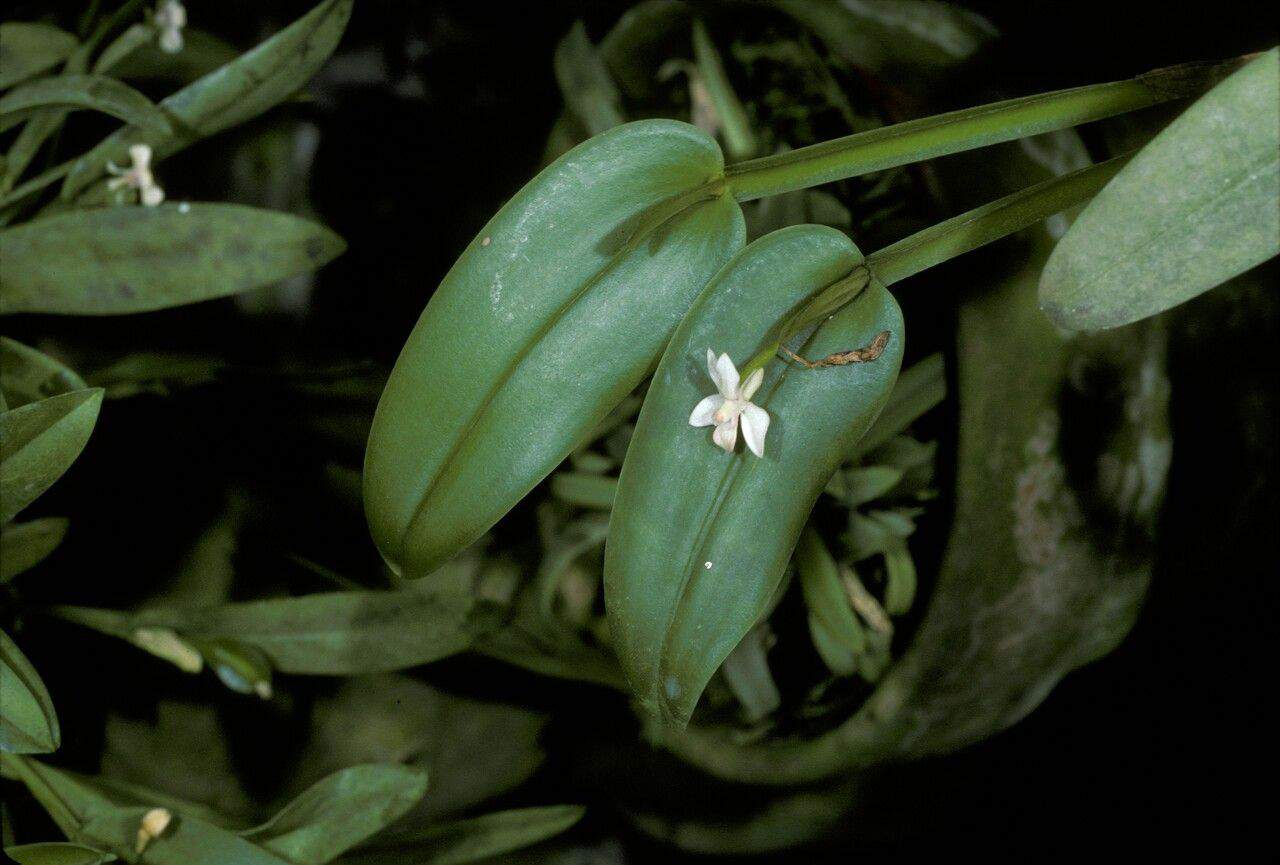
Propagating the Exquisite Dendrobium albiflorum: A Gardener’s Guide
Dendrobium albiflorum, sometimes called the "White Flowered Dendrobium," is a captivating orchid species prized for its delicate, pure white blooms and its relatively easy-to-grow nature compared to some of its more demanding relatives. Its elegant flowers, often adorned with a subtle yellow lip, make it a highly sought-after addition to any orchid collection. However, propagation of this beauty presents its own set of challenges and rewards. This article explores various propagation methods, outlining their viability and offering practical advice for aspiring cultivators.
Seed Germination:
Currently, there are no known reliable methods for seed germination propagation of Dendrobium albiflorum. Orchid seeds are notoriously tiny and lack endosperm, the nutrient-rich tissue that supports germination in many other plants. They require a symbiotic relationship with specific mycorrhizal fungi for successful germination, a relationship difficult to replicate in a home setting. While some specialized laboratories might achieve success through tissue culture techniques (detailed below), seed germination is not a practical method for home propagation of this species.
Cuttings:
Propagating Dendrobium albiflorum through cuttings is also generally unsuccessful. Unlike some other Dendrobium species, these plants do not readily produce new shoots from stem cuttings. Attempts to root stem sections typically result in rotting before new growth can emerge. Therefore, this method is not recommended for this species.
Division:
Division is the most practical and reliable method for propagating Dendrobium albiflorum. This involves carefully separating a mature plant into multiple sections, each containing several pseudobulbs and healthy roots.
Challenges: The main challenge is ensuring each division receives sufficient roots and pseudobulbs to support healthy growth. Dividing a plant that is too young or stressed will reduce the chances of success.
Practical Tips: The best time to divide Dendrobium albiflorum is during the active growth phase, usually after flowering. Use a sharp, sterilized knife or shears to sever the rhizome, aiming for divisions with at least three to five pseudobulbs each. Allow the cut surfaces to callous slightly before potting in a well-draining orchid mix.
Rewards: Division offers a relatively quick and straightforward way to increase the number of plants. It also preserves the desirable genetic characteristics of the parent plant.
Tissue Culture:
Tissue culture is a laboratory-based method that uses sterile plant tissues to generate numerous clones.
Challenges: Tissue culture requires specialized equipment, a clean lab environment, and expertise in sterile techniques. Developing the correct nutrient media for optimal growth of Dendrobium albiflorum can also be challenging. It is not a feasible method for the average home hobbyist.
Practical Tips: This method is best left to professional orchid nurseries or laboratories. They possess the necessary infrastructure and expertise to successfully propagate this orchid via this technique.
Rewards: Tissue culture allows for large-scale propagation, preserving genetic uniformity and facilitating the production of disease-free plants.
Conclusion:
Propagating Dendrobium albiflorum presents a unique set of challenges. While seed germination and cuttings are impractical, division provides a reliable method for home propagation. Tissue culture is a highly effective but resource-intensive approach better suited to commercial operations. The rewards of successfully multiplying this beautiful orchid, however, are well worth the effort. The satisfaction of nurturing a small division into a thriving plant, bursting with its delicate white blooms, is a deeply fulfilling experience for any orchid enthusiast. For home growers, mastering the art of division is a rewarding journey, offering accessible entry into the world of Dendrobium albiflorum propagation. Remember patience, meticulous care, and a well-draining potting mix are key to success.