
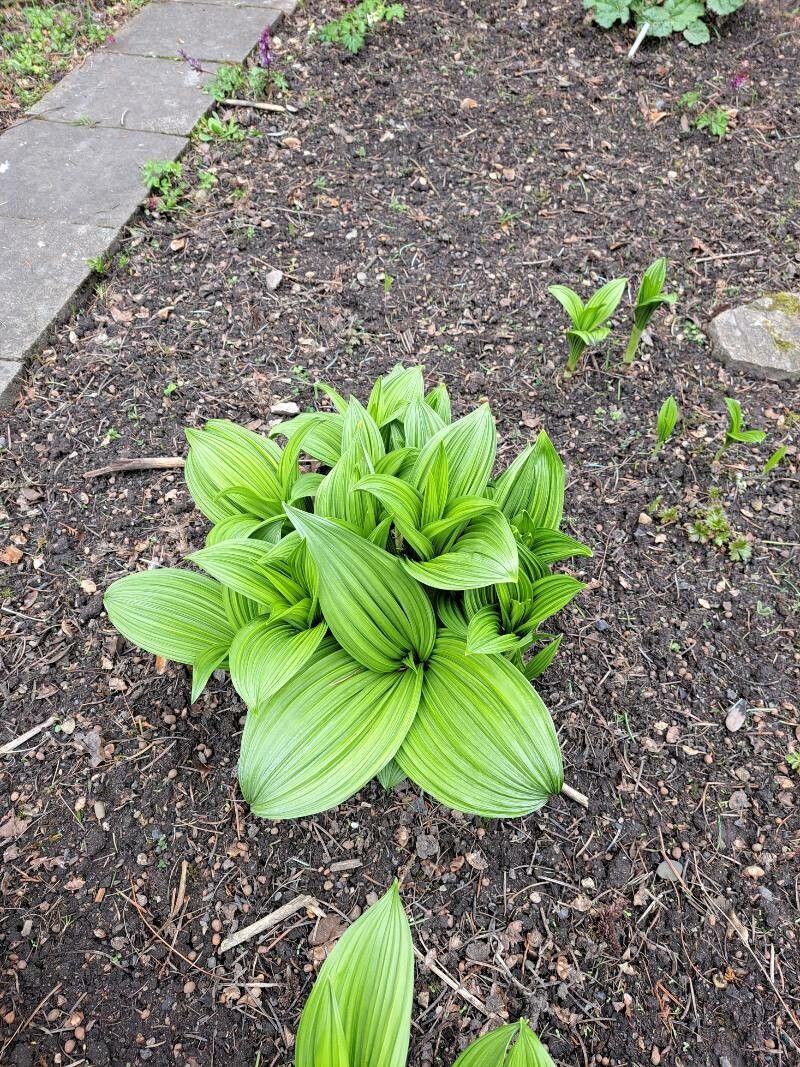
Propagating Veratrum nigrum: A Challenging but Rewarding Endeavor
Introduction:
Veratrum nigrum, commonly known as black false hellebore, is a striking herbaceous perennial prized for its dramatic, dark foliage and tall racemes of greenish-white flowers. While less common in gardens than some other perennials, its unique aesthetic and relatively low maintenance requirements make it a sought-after plant among those seeking a bold statement in shaded borders. However, its propagation presents significant challenges, making successful cultivation a rewarding experience. One unique aspect of Veratrum nigrum is its toxicity; all parts of the plant are poisonous, requiring careful handling during propagation.
Seed Germination:
Currently, there are no known reliable methods for seed germination propagation of Veratrum nigrum. While seeds may be produced, their germination rate is exceptionally low, and the process is often unpredictable. Extensive research has yet to yield consistent success using various stratification techniques or germination mediums. This is likely due to a combination of factors including seed dormancy mechanisms and the specific environmental conditions required for successful germination.
Cuttings:
Propagating Veratrum nigrum from cuttings is also generally unsuccessful. Hardwood, semi-hardwood, and softwood cuttings have all shown poor rooting rates. The plant’s physiology seems poorly suited to vegetative propagation by this method. Attempts at rooting hormone application haven’t significantly improved success rates.
Division:
Division offers the most reliable method for propagating Veratrum nigrum. This involves carefully separating established clumps of the plant during dormancy (late autumn or early spring).
Challenges: Successfully dividing Veratrum nigrum requires careful handling to avoid damaging the delicate root system. The plant’s large root system makes division labor-intensive, and improperly divided sections may not survive.
Practical Tips: Use sharp, clean tools to minimize damage. Ensure each division contains a sufficient portion of root and crown tissue. Plant divisions immediately after separation in well-draining, rich soil. Handle the plant with gloves due to its toxicity.
Rewards: Division provides the highest success rate, allowing for quick increase in plant numbers. It preserves the genetic characteristics of the mother plant.
Tissue Culture:
Tissue culture propagation of Veratrum nigrum is a possibility but is sophisticated and requires specialized laboratory equipment and expertise. This method is rarely employed for home propagation due to its complexity and associated costs.
Challenges: Establishing sterile conditions crucial for preventing contamination is challenging. Developing reliable protocols for initiating and maintaining growth in vitro requires significant research and experimentation.
Practical Tips: Not applicable for home propagators without specialized training and laboratory facilities.
Rewards: High multiplication rates are potentially achievable, opening up opportunities for large-scale propagation and the potential for disease-free plants.
Conclusion:
Propagating Veratrum nigrum, while challenging, is rewarding for the determined gardener. Division offers the most accessible and successful method, although even this requires skill and patience. While seed germination and cuttings prove unreliable, tissue culture presents a potentially valuable, albeit highly specialized method for mass propagation. The unique aesthetic qualities and relative ease of maintenance of mature plants make the effort of overcoming the obstacles of propagation ultimately worthwhile. The satisfaction of cultivating this striking plant from a single division or a successfully propagated tissue culture is a testament to horticultural perseverance. For those willing to put in the effort, the rewards of growing Veratrum nigrum are well worth the challenge.