
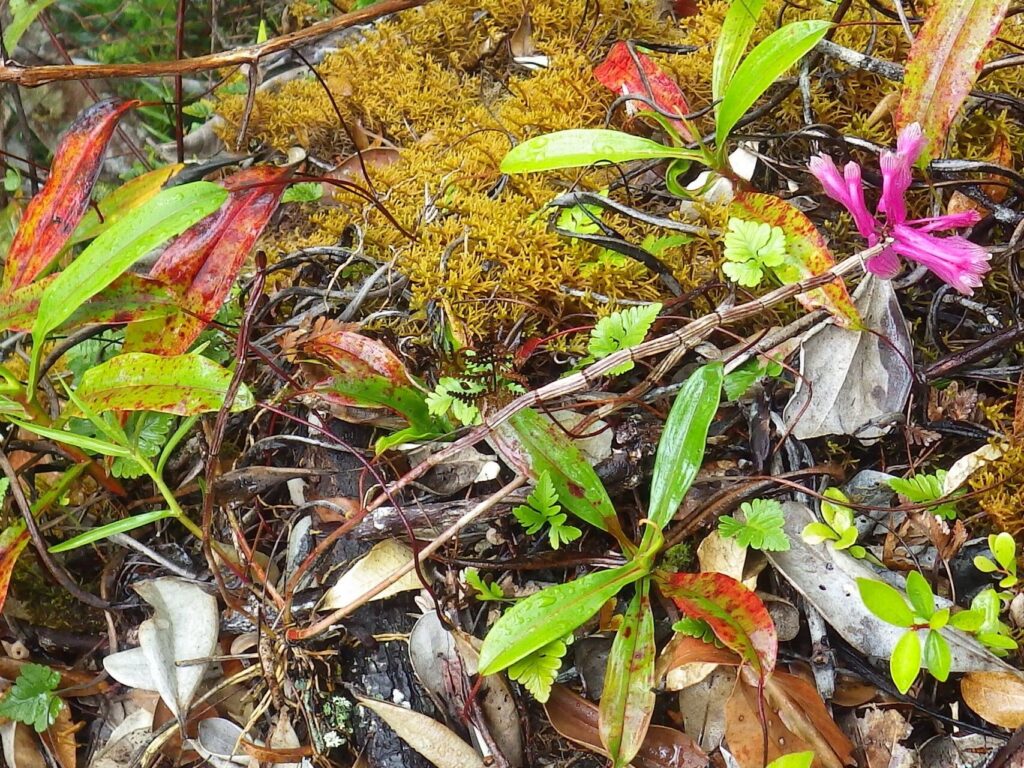
Unlocking the Secrets to Propagating Dendrobium Baeuerlenii: A Beginner’s Guide
Dendrobium baeuerlenii, with its vibrant, ruffled blooms and unique, miniature size, has become a beloved orchid among plant enthusiasts. But what about growing more of these charming little wonders? Fear not, propagation is within reach!
This guide will equip you with the knowledge and techniques to successfully propagate your Dendrobium baeuerlenii, allowing you to share these exquisite orchids with friends or simply expand your own collection.
Methods of Propagation:
-
Division: This method is best suited for mature, well-established Dendrobium baeuerlenii plants with multiple pseudobulbs. Carefully separate the plant into sections, ensuring each division has at least three pseudobulbs and a healthy root system. Repot each division in fresh orchid bark or a well-draining medium.
-
Keikis: These are small plantlets that may appear along the stems or on the pseudobulbs. These keikis develop their own root system. Once the keiki has a few roots of its own, carefully separate it from the mother plant and pot it in a small container with orchid bark.
- Stem Cuttings: Unlike many orchids, Dendrobium baeuerlenii can be propagated through stem cuttings. Select a healthy stem, ideally one after blooming, and cut it into sections about 2-3 inches long. Make sure each section has at least one node, which is where roots and new growth emerge. Allow the cuttings to dry for a few days before placing them in a propagation medium.
Propagation Tips and Tricks:
- Sterilization: Before propagating, sterilize your tools (scissors, knives) with rubbing alcohol to prevent infection.
- Humidity and Temperature: Maintain high humidity during propagation. Cover the cuttings or divisions with a clear plastic dome or bag to create a humid environment. Ideal temperatures for propagation are between 70-80°F (21-27°C).
- Medium Choice: While orchid bark is a common choice, you can also use a mixture of perlite and sphagnum moss. Ensure the medium is well-draining and lightly moist.
- Root Development: Regularly check your propagated plants for root development. Once the roots are established (usually within a few weeks), gradually acclimate the plants to normal growing conditions.
- Patience is Key: Propagation can take time, and some methods are slower than others. Observe your plants closely and be patient as they journey through development.
Beyond Propagation:
Once your Dendrobium baeuerlenii babies have established themselves, provide them with regular care. These miniature orchids thrive in bright, indirect light, and a well-draining potting medium that stays consistently moist.
With a little patience and the right approach, you can easily propagate more of these delightful mini orchids. Sharing your success with fellow plant lovers is an enriching experience, and you’ll be surprised at the sheer beauty and joy that comes from cultivating your own little patch of vibrant Dendrobium baeuerlenii.