
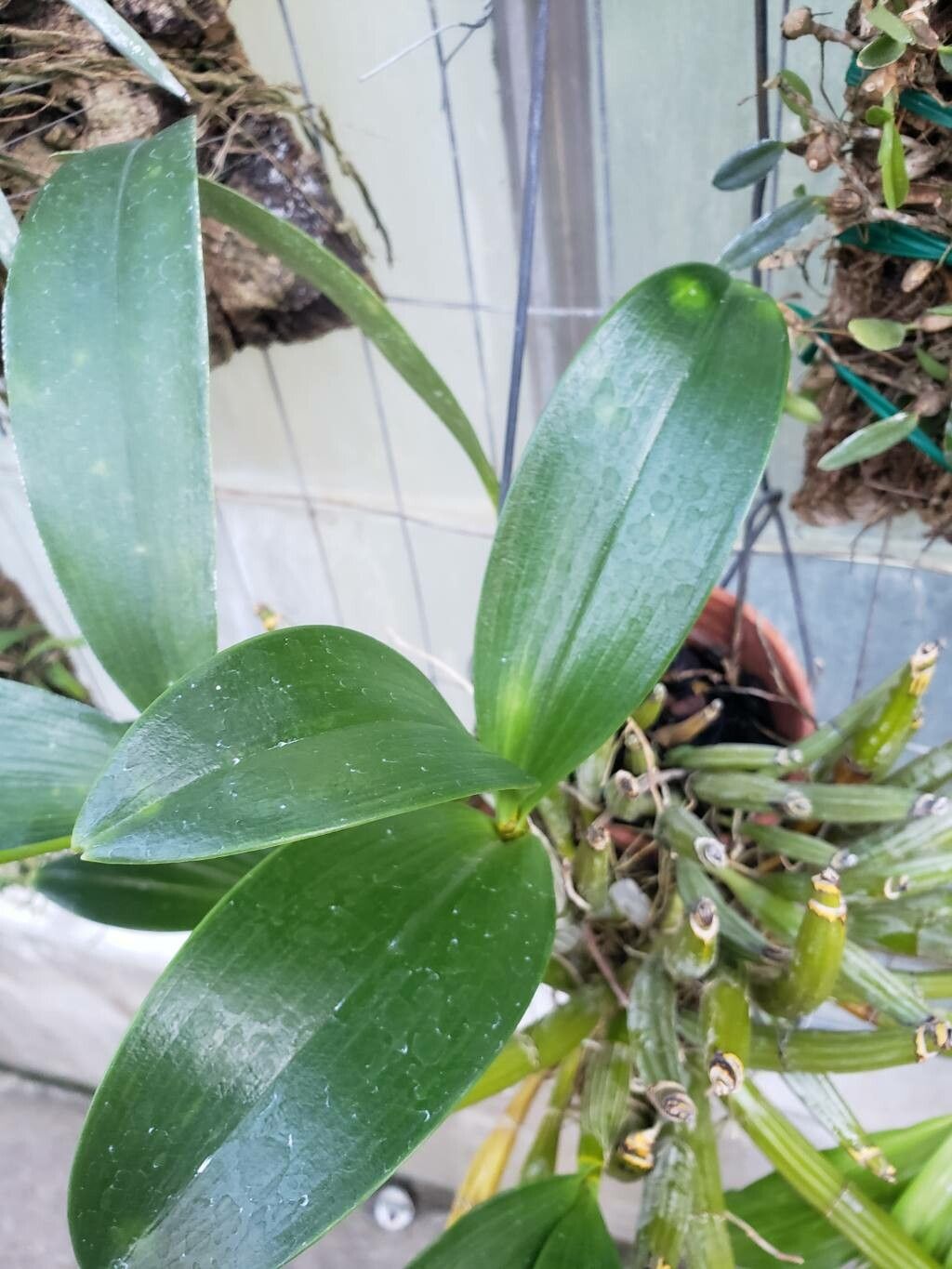
Unlocking the Secrets of Dendrobium bifalce Propagation: A Guide for Beautiful Blooms
Dendrobium bifalce, with its charming sprays of delicate, often fragrant flowers, is a captivating orchid that can bring a touch of the tropics to any home. But did you know that propagating this beautiful species can be an achievable and rewarding endeavor, even for beginners? Let’s dive into the world of Dendrobium bifalce propagation and discover the secrets to multiplying your orchid collection.
Understanding the Basics
Before we jump into techniques, it’s important to grasp some key concepts. Dendrobium bifalce, like many orchids, can be propagated through two primary methods:
- Division: This method involves separating mature plants into smaller sections, each with its own roots and pseudobulbs.
- Keikis: These are miniature plantlets that sometimes sprout from nodes along the canes (pseudobulbs) of mature orchids. Keikis are essentially clones of the parent plant.
Propagating Dendrobium bifalce Through Division
Division is best undertaken when repotting your orchid, ideally in spring just as new growth begins. Here’s a step-by-step guide:
- Prepare Your Tools: You’ll need a sterilized cutting tool (pruning shears or a sharp knife), a pot with drainage holes slightly larger than the divided section, and fresh orchid potting mix.
- Unpot and Inspect: Carefully remove the orchid from its pot and gently loosen the roots. Look for natural divisions where the plant can be separated into sections with at least 3-4 healthy pseudobulbs and a strong root system.
- Divide the Plant: Using your sterilized tool, carefully cut through the rhizome (the horizontal stem connecting the pseudobulbs) to separate the sections.
- Pot the Divisions: Plant each division in the prepared pot, ensuring the base of the pseudobulbs is level with the potting mix surface. Water thoroughly.
Propagating Dendrobium bifalce from Keikis
Keikis offer a natural and relatively effortless way to propagate your orchid. Here’s how:
- Identify and Wait: Look for healthy keikis growing along the canes of the mother plant. Wait until the keiki has developed at least 3-4 roots, each about 2-3 inches long.
- Detach the Keiki: Using a sterilized tool, carefully separate the keiki from the mother plant, making sure to include its roots and a small section of the cane.
- Potting the Keiki: Plant the keiki in a small pot with fine orchid potting mix. Gently firm the mix around the base of the keiki and water lightly.
Essential Care After Propagation
Regardless of your chosen method, providing optimal care is crucial for successful propagation:
- Light: Place your newly potted orchids in a bright location with indirect sunlight.
- Water: Water when the potting mix is nearly dry. Overwatering can lead to root rot.
- Humidity: Dendrobium bifalce prefers moderate to high humidity (50-70%). Misting and using a humidity tray can help.
- Fertilizer: Use a balanced orchid fertilizer diluted to half strength every 2-3 weeks during the growing season.
Propagating your Dendrobium bifalce is not only a fulfilling experience but also an excellent way to expand your plant collection or share the joy of these exquisite orchids with friends and family. With a bit of patience, care, and the right knowledge, you’ll be rewarded with beautiful blooms for years to come.