
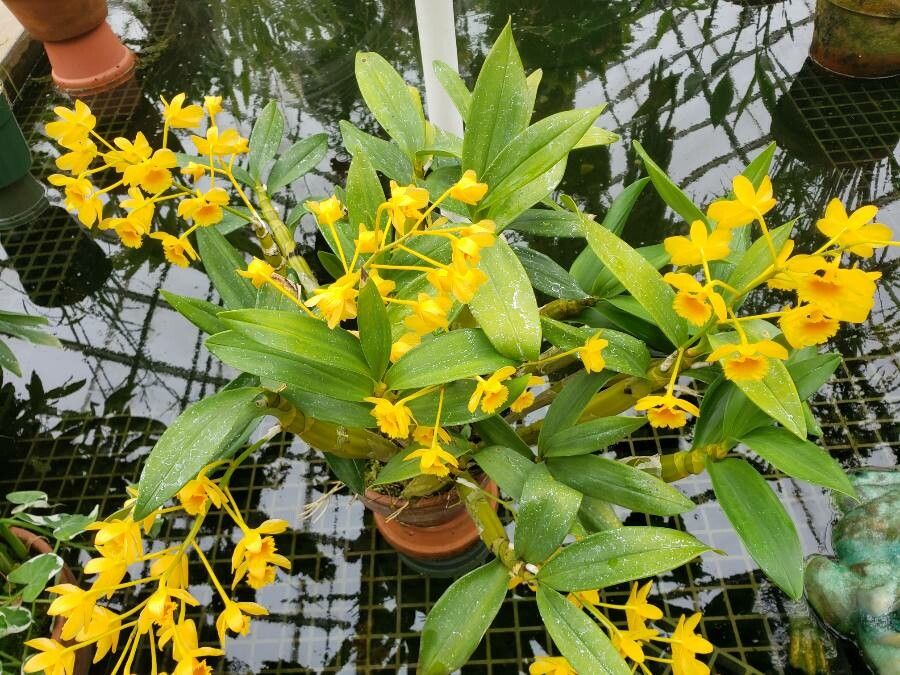
Orchid Magic: Unveiling the Secrets of Propagating Dendrobium Bracteosum
The Dendrobium bracteosum, with its vibrant pink blooms and delicately cascading stems, is a real showstopper in the world of orchids. Its popularity is no surprise, as it’s relatively easy to care for and boasts long-lasting flowers. But what if you want to share the beauty of this orchid with friends or expand your own collection? The answer lies in the art of propagation.
Unlocking the Secrets of Dendrobium Bracteosum Propagation
This orchid species, like many of its kin, offers a few different methods for propagation:
1. Division: A Simple and Reliable Method
Dividing a mature Dendrobium bracteosum plant is the most straightforward propagation technique. Simply cut the plant into sections, ensuring each contains healthy roots and at least three pseudobulbs (swollen stems). The key is to choose a time when the orchid is actively growing, usually in spring or summer.
Here’s how to do it:
- Gently remove the plant from its pot.
- Carefully separate the plant into sections. Aim for sections with at least three pseudobulbs and a good root system.
- Repot each section in fresh potting mix. Use a well-draining mix specifically for orchids.
- Water the newly potted sections thoroughly.
2. Keiki Propagation: Orchids Multiplying Themselves!
Keikis are miniature versions of the parent plant that develop on the stems of mature Dendrobium bracteosum. These little plantlets are a natural way for the orchid to reproduce.
Here’s how to encourage keiki growth:
- Create a humid environment: Increase the humidity around your orchid by placing it in a humidity dome or grouping it with other plants.
- Use a keiki paste: This paste is formulated with plant hormones that can stimulate keiki growth. Apply it to the nodes on the stems.
- Be patient: Keikis may take several months to develop, so be patient and nurture your orchid.
Once the keikis have developed roots, you can carefully remove them and plant them in their own pots.
3. Stem Cuttings: An Option for Experienced Cultivators
While more challenging than division or keiki propagation, stem cuttings offer a method for those with a bit more experience.
Here’s how to propagate from stem cuttings:
- Take a cutting from a healthy stem. Aim for a piece with several nodes.
- Treat the cut end with rooting hormone. This helps encourage root development.
- Place the cutting in a well-draining potting mix. Ensure the pot has adequate drainage.
- Maintain a humid environment. Cover the pot with a plastic bag or humidity dome.
Stem cuttings require more time and care than other methods, but they can be rewarding for those who enjoy the challenge.
Essential Tips for Success
- Choose healthy parent plants: Start with vigorous, pest-free orchids.
- Provide optimal growing conditions: Dendrobium bracteosum thrives in bright, indirect light and a well-ventilated environment.
- Use a well-draining potting mix: Prevent overwatering.
- Maintain appropriate humidity levels: Aim for 50-60% humidity.
- Fertilize regularly: Appropriate orchid fertilizer will stimulate growth.
The Joy of Propagation
Propagating your Dendrobium bracteosum is much more than just increasing your orchid collection. It’s about understanding the life cycle of these fascinating plants and developing a deep connection to their growth. So, why not give it a try? You might just discover a hidden talent for orchid propagation and a whole new appreciation for the wonders of nature!