
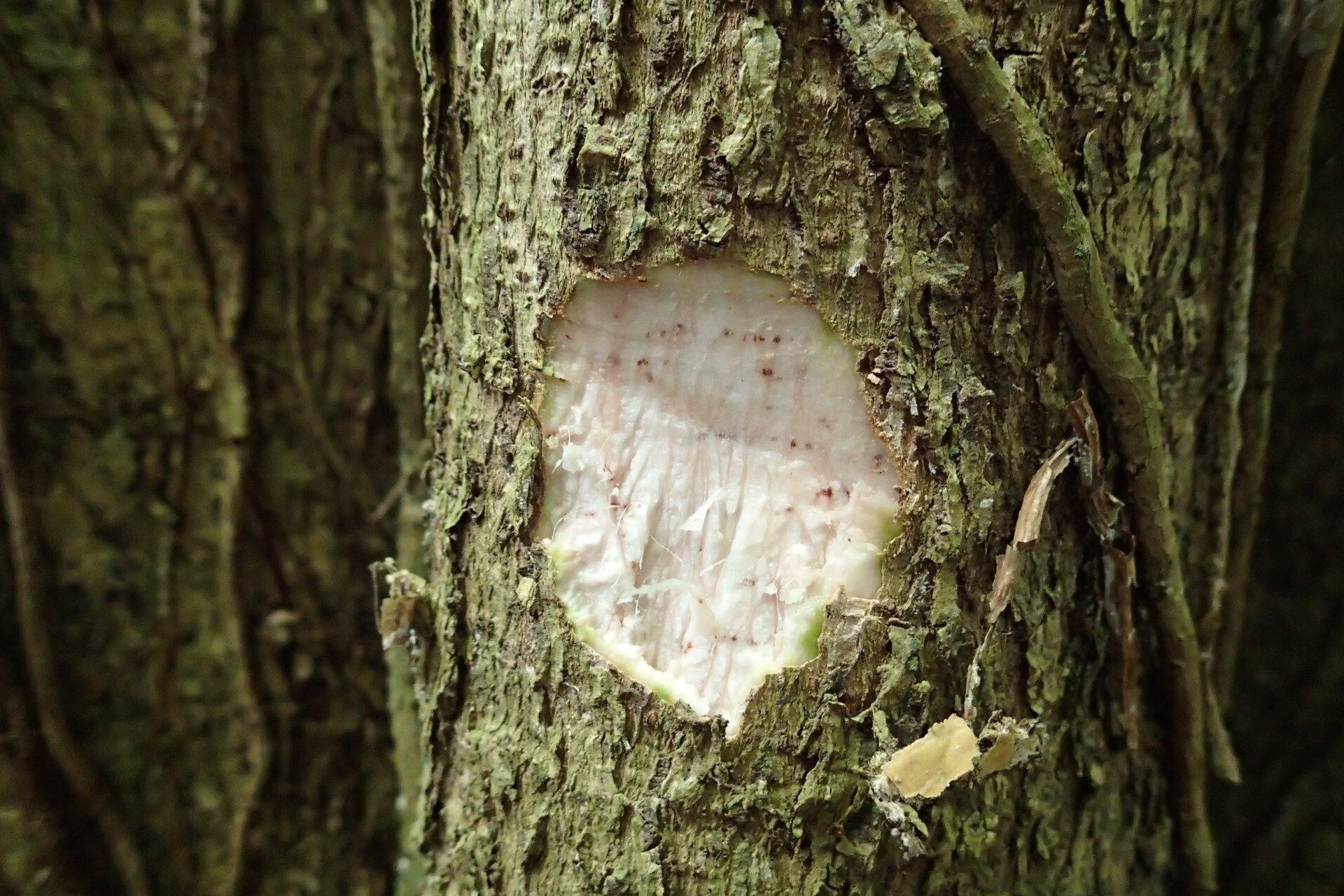
Giant Stinging Tree: Propagating Nature’s Itchiest Giant
The Dendrocnide excelsa, better known as the giant stinging tree, is notorious for its incredibly painful sting. Yet, beneath those formidable defenses lies a fascinating plant with unique characteristics. Though perhaps not for the faint of heart (or skin!), propagating this giant can be a rewarding experience for the adventurous gardener.
Before embarking on this botanical adventure, remember to always handle Dendrocnide excelsa with extreme caution. Wearing thick gloves and protective clothing is non-negotiable – its infamous sting is not something you want to experience firsthand.
Seeding the Giant:
The giant stinging tree primarily reproduces through seeds, found within its small, fruit-like structures. Here’s how to propagate using seeds:
- Seed Collection: Harvest mature fruits in late summer or early autumn. Look for fruits that are easily detached from the branches.
- Seed Extraction: Carefully remove the seeds from the fruits while wearing gloves. Wash away any remaining fruit pulp, as it can inhibit germination.
- Sowing: Sow the seeds in a well-draining seed-raising mix, lightly covering them with a sprinkle of soil.
- Environment: Dendrocnide excelsa prefers warm temperatures and high humidity for optimal germination. Consider using a heat mat and humidity dome to create the perfect germinating environment.
- Patience is Key: Germination can be slow and erratic, potentially taking several weeks or even months.
Branching Out with Cuttings:
While less common, propagation through cuttings is possible but requires meticulous care:
- Timing is Everything: Take hardwood cuttings from healthy stems during the dormant season.
- Cut and Treat: Cut a 15-20 cm section from a healthy branch, making a clean cut just below a node. Dip the cut end in rooting hormone to encourage root development.
- Potting: Plant the treated cutting in a pot filled with a well-draining potting mix, ensuring at least one node is buried.
- Ideal Conditions: Maintain warmth and humidity, misting regularly and keeping the cutting in a well-lit area, away from direct sunlight.
- Transplanting: Once the cutting develops a robust root system, it can be transplanted to a larger pot or directly into the ground.
A Giant’s Home:
When choosing a location for your Dendrocnide excelsa, consider these factors:
- Sun Exposure: While they thrive in full sun, they can tolerate partial shade.
- Soil Conditions: Well-draining soil is crucial to prevent root rot.
- Space to Grow: Remember, this is a giant! Ensure ample space for its potential size.
A Note of Caution and Conservation:
While propagating the giant stinging tree can be intriguing, remember its potential impact. Avoid planting in areas frequented by children and pets.
Furthermore, in some regions, the Dendrocnide excelsa might be a protected species. Always check local regulations before collecting seeds or taking cuttings from wild populations.
Propagating the giant stinging tree is not for everyone. However, for those with a penchant for the unusual and a healthy dose of caution, it can be a unique and rewarding horticultural challenge. Just remember – admire this giant from a safe distance!