
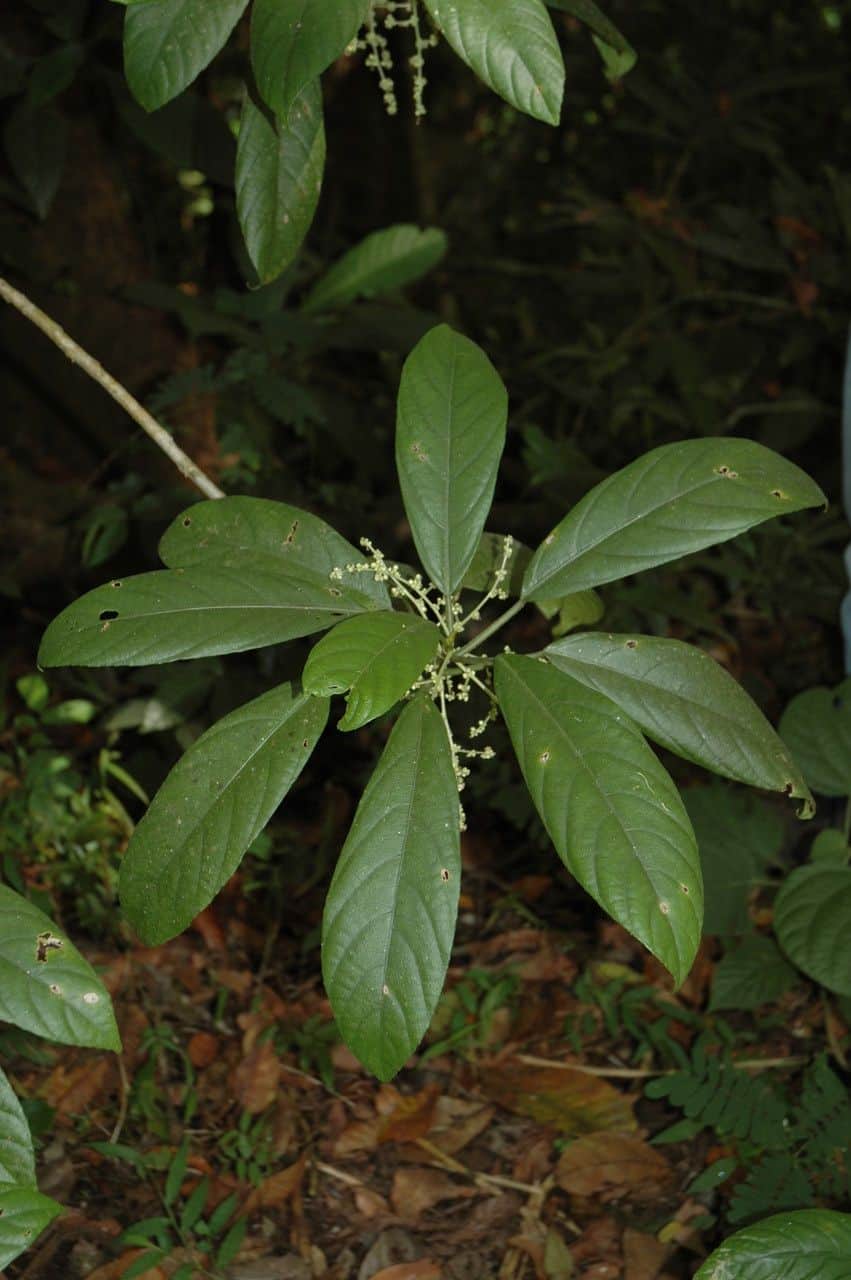
Dendrocnide sinuata: Propagating the Pain? (Maybe Don’t Try This at Home)
The plant world is full of fascinating surprises. Some species beguile us with their beauty, others with their strange adaptations. The Dendrocnide sinuata, also known as the stinging brush or the Gympie Gympie, definitely falls into the latter category.
This Australian rainforest native is infamous for its incredibly painful sting, delivered through tiny, hairlike needles covering its leaves and stems. The pain, often described as agonizing and long-lasting, is enough to deter even the bravest gardener. So, you might be surprised to learn that some intrepid souls dare to attempt propagating this formidable plant.
Propagating with Caution (and Gloves… Lots of Gloves):
Before we dive in, a massive disclaimer: Handling Dendrocnide sinuata without proper protective gear is extremely dangerous. Its stinging hairs can even become airborne, posing a serious risk to anyone nearby. Do not attempt to grow or even approach this plant without thorough research and appropriate safety measures.
That being said, let’s explore the methods used by botanical gardens and researchers to propagate this intriguing species:
1. Seed Propagation:
- Challenge Level: High. Seeds are often difficult to obtain and germinate.
- The Process: Dendrocnide sinuata produces small, berry-like fruits that contain seeds. Due to the plant’s potent defenses, extracting and handling seeds requires extreme caution. Specialized equipment and techniques are used to avoid contact with the stinging hairs.
- Success Rate: Variable. Germination rates can be low and require specific environmental conditions.
2. Cuttings:
- Challenge Level: High. Requires careful handling and specific conditions.
- The Process: Stem cuttings are taken from a mature plant, again with significant protective measures in place. These cuttings are then placed in a carefully controlled environment with high humidity and monitored for root development.
- Success Rate: Moderate. While cuttings offer a potentially faster propagation method, they are susceptible to rot and require a delicate touch.
Why Propagate the Pain?
Given the risks, why would anyone attempt to propagate the Dendrocnide sinuata? The reasons lie in research and conservation:
- Medical Research: The plant’s potent neurotoxins are of great interest to scientists studying pain management and potential therapeutic applications.
- Understanding Plant Defenses: Studying the Dendrocnide sinuata’s unique defense mechanisms provides valuable insights into plant evolution and adaptation.
- Conservation: As with any species, understanding propagation techniques can be crucial for conservation efforts, especially for plants in threatened habitats.
In Conclusion:
Propagating the Dendrocnide sinuata is not for the faint of heart (or skin!). It’s a complex and risky endeavor best left to experienced professionals with the right equipment and knowledge. However, delving into the world of this formidable plant allows us to appreciate the incredible diversity of the natural world and the importance of responsible research and conservation.