
Himalayan Honeysuckle on Your Horizon? Unlocking the Secrets of Propagating Triosteum himalayanum
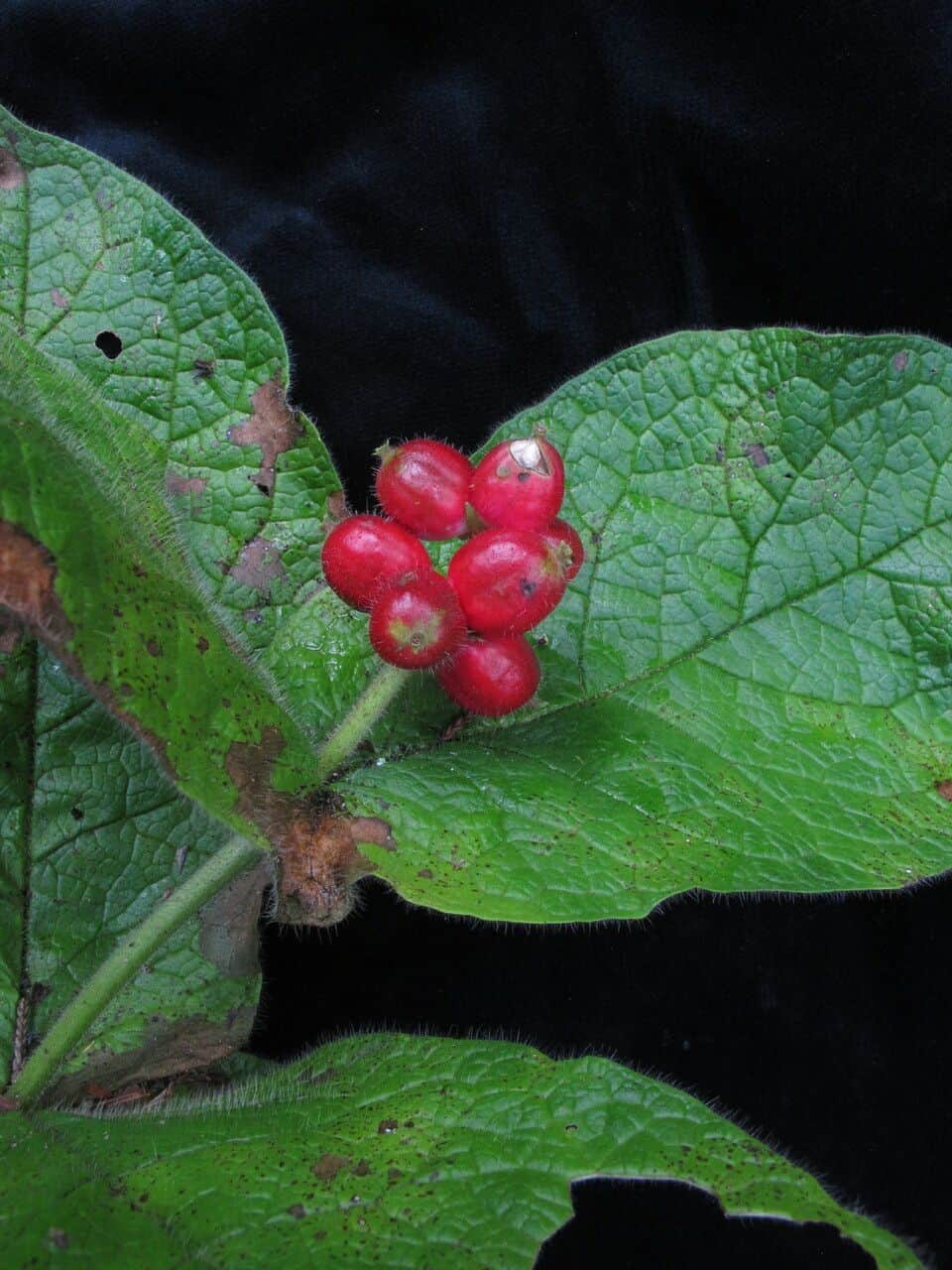
Triosteum himalayanum, more melodically known as Himalayan honeysuckle, brings a unique charm to any garden with its vibrant red berries and whorled leaves. If you’re looking to welcome more of this enchanting plant into your outdoor space, understanding its propagation methods is key. Let’s dive into the fascinating world of multiplying your Himalayan honeysuckle!
The Seeds of Success: Propagating from Seed
Propagating Triosteum himalayanum from seed is the most common and rewarding method. The key lies in mimicking the natural cycle:
- Harvesting: As the berries ripen to a deep red in late summer or early fall, gently collect them. Extract the seeds by crushing the fleshy fruit and rinsing away the pulp.
- Cold Stratification: Himalayan honeysuckle seeds require a period of cold dormancy to germinate successfully. Place the clean seeds between moist paper towels and seal them in a plastic bag. Store this bag in your refrigerator for 6-8 weeks.
- Sowing: Once the cold stratification is complete, sow the seeds in seed trays filled with well-draining seed-starting mix. Press them gently into the surface, ensuring they are lightly covered with soil.
- Patience is Key: Keep the trays in a bright location, out of direct sunlight, and maintain consistent moisture. Germination can take anywhere from a few weeks to a couple of months.
- Transplanting: When the seedlings develop a strong root system and have a few sets of true leaves, they are ready to be transplanted into individual pots or your garden bed.
Division: A Shortcut to Established Plants
For a quicker method of propagation, division is a great option, especially if you already have a mature Triosteum himalayanum in your garden:
- Timing is Everything: Early spring, just as new growth emerges, is the ideal time for division.
- Careful Extraction: Gently dig around the base of the plant, ensuring you don’t damage the roots.
- Division Decisions: Look for natural divisions in the root ball. Using a sharp, clean knife or garden shears, separate the plant into smaller sections, each with a healthy amount of roots and shoots.
- Replanting: Transplant the divisions into prepared holes in your garden or individual pots. Water thoroughly and provide adequate light.
Tips for Thriving Himalyan Honeysuckle:
- Sunlight Preferences: While Triosteum himalayanum prefers partial shade, especially in hotter climates, it can tolerate some sun. Observe your garden and choose a location accordingly.
- Soil Matters: Well-draining soil that is rich in organic matter is crucial. Amending your garden soil with compost before planting can be beneficial.
- Water Wisely: Water regularly, especially during dry spells, but avoid overwatering, which can lead to root rot.
- Pest and Disease Resistance: Himalayan honeysuckle is generally a low-maintenance plant, showing good resistance to most pests and diseases.
By mastering these propagation techniques and providing your Himalayan honeysuckle with the right growing conditions, you’ll soon be enjoying its unique beauty and bountiful berries for years to come. So, embrace the adventure of propagation and let your garden blossom with the allure of Triosteum himalayanum!