
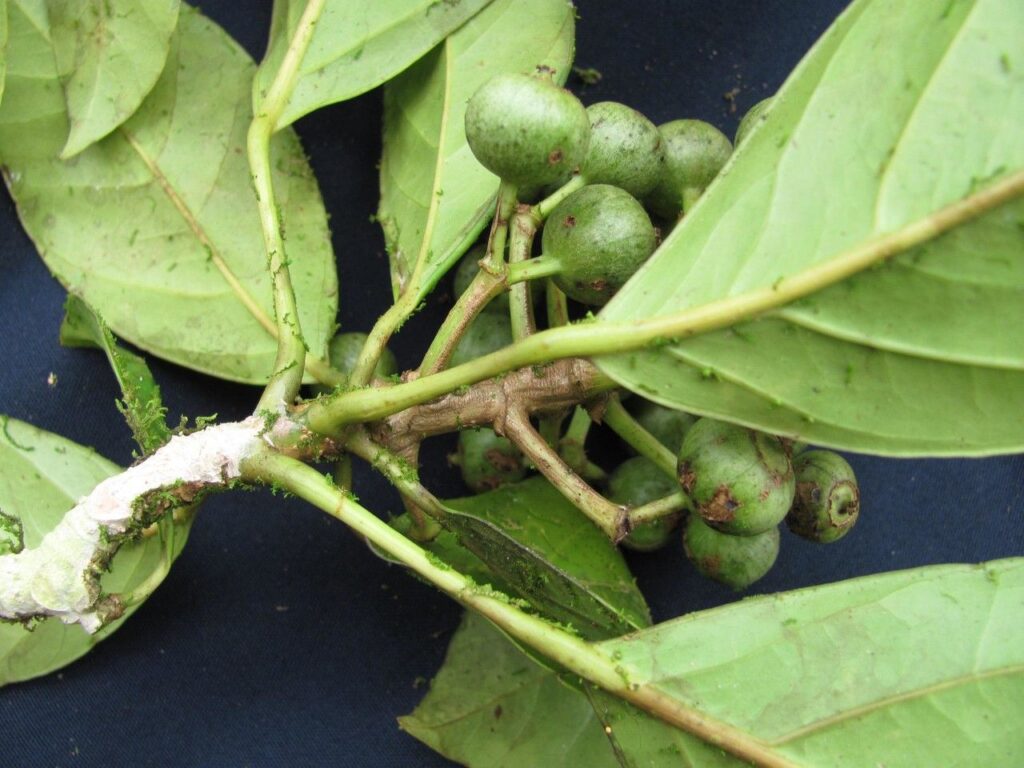
Unlocking the Secrets of Dendropanax Caucanus Propagation: A Guide for Plant Lovers
Dendropanax caucanus, also known as the “Cauca dendropanax” or “Aralia from Cauca,” is a stunning evergreen shrub native to the cloud forests of Colombia. This tropical beauty boasts glossy, emerald-green leaves and a captivating growth habit, making it a highly sought-after addition to any plant enthusiast’s collection. But venturing beyond simply caring for an existing plant, wouldn’t it be incredible to unlock the secrets of propagating this botanical gem? In this article, we delve into the fascinating world of Dendropanax caucanus propagation, providing you with the knowledge and confidence to multiply your verdant treasures.
Understanding the Basics:
Dendropanax caucanus can be propagated through two primary methods: stem cuttings and air layering. While both techniques offer promising results, they cater to different skill levels and involve distinct procedures.
1. The Art of Stem Cuttings:
Ideal for beginners, stem cutting propagation involves removing a healthy section of stem from the mother plant and encouraging it to develop roots independently. Here’s a step-by-step guide:
- Timing is Key: Spring and early summer, when the plant experiences active growth, offer the highest chances of success.
- Selecting the Cuttings: Choose healthy, non-flowering stems that are about 4-6 inches long with at least two leaf nodes.
- Preparing the Cuttings: Using a sharp, sterilized blade, make a clean cut just below a leaf node. Remove the lower leaves, leaving only 2-3 leaves at the top.
- Rooting Hormone (Optional): While not mandatory, dipping the cut end in rooting hormone powder can significantly boost root development.
- Planting Medium: Opt for a well-draining, airy medium like a mix of perlite and peat moss.
- Potting and Care: Insert the cuttings into the prepared medium, ensuring the leaf nodes are buried. Water thoroughly and maintain a humid environment, using a cloche or plastic bag to trap moisture.
- Patience is a Virtue: Root development can take several weeks. Monitor for signs of new growth, indicating successful rooting. Once established, gradually acclimate your new plantlets to normal conditions.
2. Exploring Air Layering:
Air layering, while slightly more advanced, boasts a higher success rate and produces larger, more established plants quickly. This method encourages root development on a stem while it’s still attached to the mother plant. Here’s how it’s done:
- Choosing the Branch: Select a healthy, mature stem approximately the thickness of a pencil.
- Making the Incision: Gently wound the stem about 6-8 inches from the tip by making a small upward cut or removing a thin ring of bark.
- Applying Rooting Hormone: Dust the wounded area with rooting hormone to stimulate root growth.
- Creating a Sphagnum Moss Wrap: Wrap the wounded area with moist sphagnum moss, securing it with plastic wrap or aluminum foil.
- Maintaining Moisture: Ensure the moss remains consistently moist. A syringe can be helpful for watering.
- Separating the Layered Branch: After several weeks, you should observe roots forming through the moss. Once the roots are well-developed, carefully separate the layered branch from the mother plant below the new roots.
- Potting Your New Plant: Pot the layered branch in a well-draining potting mix and provide it with appropriate care.
A Final Word:
Propagating Dendropanax caucanus is a rewarding endeavor for any plant enthusiast. Whether you choose the simplicity of stem cuttings or the efficiency of air layering, remember that patience and attention to detail are key. With a little practice and these guidelines, you’ll soon be admiring a thriving collection of these stunning tropical plants, all thanks to your own green thumb!