
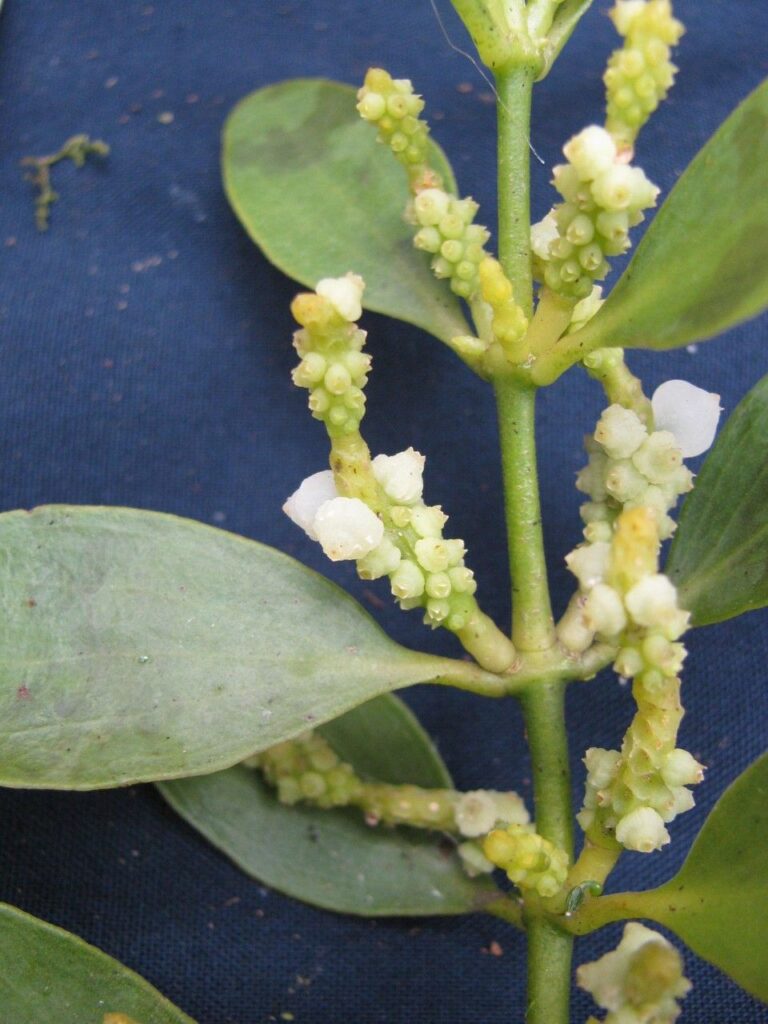
Unlocking the Secrets of Dendrophthora costaricensis: A Guide to Propagation
Imagine a plant that thrives not in soil, but on the branches of another. This is the fascinating reality of Dendrophthora costaricensis, a unique mistletoe native to Central America. Its beauty and intriguing lifestyle have captivated plant enthusiasts, leading many to wonder: can it be propagated?
The short answer is yes, but with some crucial considerations. Dendrophthora costaricensis is a hemiparasite, meaning it relies on its host tree for water and nutrients while still producing its own food through photosynthesis. This symbiotic relationship adds a layer of complexity to propagation.
Understanding the Basics:
- Seed Collection: Seeds are the primary means of propagation. They are typically dispersed by birds who consume the fruits. Collect ripe berries, gently remove the seeds (which are embedded in a jelly-like substance), and clean them.
- Host Selection: The choice of host tree is paramount. Dendrophthora costaricensis prefers certain species of trees, particularly those belonging to the Fabaceae (Legumes) family. Research the specific host requirements and consult with local experts for guidance.
- Germination Conditions: The seeds require a specific environment for germination. They need high humidity and a period of dormancy, which can be achieved through stratification (exposure to cold temperatures). You can simulate these conditions by placing the seeds in moistened vermiculite and storing them in a refrigerator for several weeks.
- Sowing the Seeds: Once the seeds have undergone stratification, you can sow them directly onto the branches of your chosen host tree. Ensure you select a healthy branch with minimal foliage to allow for optimal growth.
The Art of Propagation:
Dendrophthora costaricensis propagation is a fascinating pursuit, but it demands precision. Carefully consider the following tips:
- Timing: The ideal time for sowing is during the rainy season, when environmental conditions are most conducive to seed germination.
- Placement: Position the seeds on a suitable host branch and cover them with a thin layer of moss or sphagnum peat to retain moisture.
- Monitoring and Care: Regularly monitor the seeds after planting. Keep the area around the host tree well-hydrated. Avoid excessive sunlight and wind exposure during the initial stages.
Challenges and Considerations:
- Ethical Considerations: Propagation of Dendrophthora costaricensis raises ethical questions. It’s crucial to understand the potential impact on the host tree’s health and ecological balance. Consider consulting with experts and ensuring responsible practices.
- Slow Growth: Dendrophthora costaricensis is a slow-growing plant, requiring patience and persistence. It can take several years for the mistletoe to establish itself and fully develop.
- Specific Needs: The unique requirements for successful propagation emphasize the need for research and careful planning.
The Rewards of Propagation:
Despite the challenges, propagating Dendrophthora costaricensis offers a unique opportunity to observe the fascinating symbiotic relationship between this plant and its host tree. By successfully cultivating this mistletoe, you’ll contribute to its conservation while witnessing firsthand the intricate wonders of nature.
Remember, successful propagation requires research, dedication, and respect for the delicate balance of the natural world. With patience and conscientious practices, you can unlock the secrets of Dendrophthora costaricensis and experience the beauty of this remarkable mistletoe.