
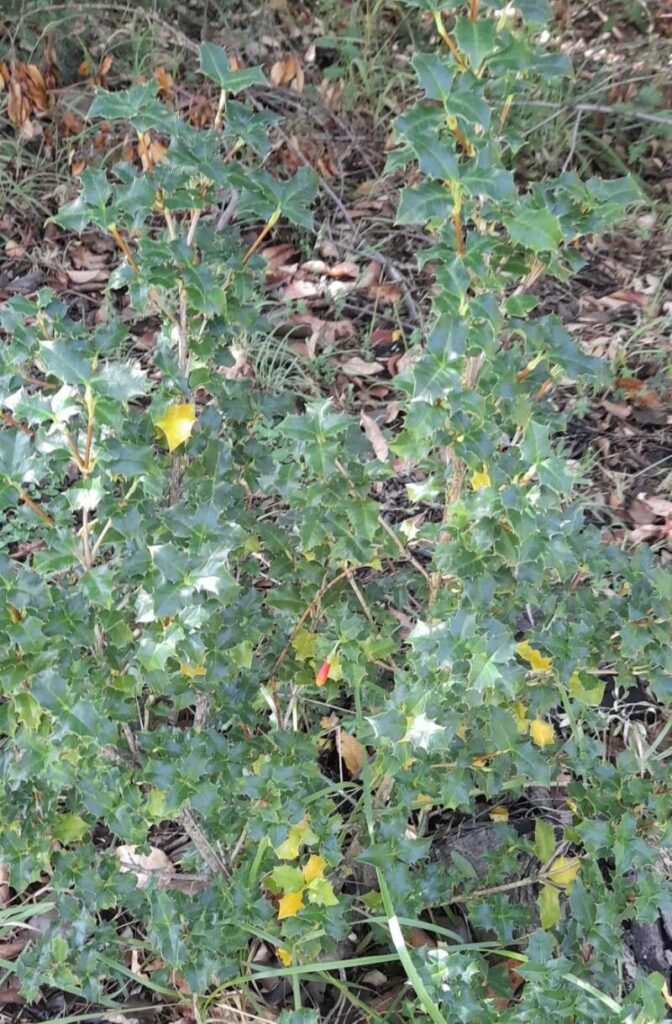
Taming the Thorn: Propagating the Striking Desfontainia Spinosa
Desfontainia spinosa, often called the “Chilean Firebush” or “Lardizabala,” is a captivating shrub with fiery orange-red flowers and spiny leaves. This unique plant from the Andes Mountains boasts stunning beauty and a reputation for being a bit of a challenge to cultivate. But don’t let the thorns intimidate you! With the right techniques, even beginners can successfully propagate this striking shrub.
From Seed to Sapling: The Journey Begins
For those willing to take on a longer-term project, starting Desfontainia spinosa from seed is a rewarding experience.
- Gather the Seeds: Sourcing fresh, viable seeds is crucial. Collecting seeds from ripe fruits is a good option if you have access to an established plant. Alternatively, reputable seed vendors specializing in rare and unusual plants can provide high-quality seeds.
- Sowing Time: The best time to sow Desfontainia seeds is in the spring.
- Preparation is Key: Use a well-draining seed-starting mix and fill small pots or seed trays. Sow the seeds thinly on the surface, barely covering them with soil.
- Patience is Virtue: Germination can take several months, sometimes even a year under optimal conditions. Maintaining consistent moisture and a warm environment will increase germination rates. Be patient and persistent!
The Art of Cutting: A Faster Route
For those seeking faster results, propagation by cuttings is the way to go. This method utilizes pieces of established plants to create new individuals.
- Timing is Everything: Spring and early summer are ideal for taking cuttings. Choose healthy, non-flowering stems with new growth.
- The Art of the Cut: Using sterilized shears, cut a 4-6 inch section from the stem just below a node (where leaves emerge).
- Preparing for Success: Remove the lower leaves, leaving just a few at the top. Dip the base of the cutting in rooting hormone powder to encourage root development.
- Planting for Growth: Fill small pots with a moistened propagation mix and place the cutting into the soil, ensuring the leaves remain above the surface.
- Nurturing the New: Maintain a consistently moist environment by misting regularly and placing the cuttings in a bright, indirect light location. Roots should emerge within a few weeks.
Creating a Thriving Home for Your Desfontainia
Once your Desfontainia cuttings or seedlings have developed a good root system, they’re ready for transplanting into their permanent homes. Choose a location with well-draining soil that provides some shade, particularly during the hottest part of the day.
Tips for Success:
- Soil Matters: Opt for a slightly acidic soil mix. Adding some compost or peat moss will improve drainage and provide nutrients.
- Embrace the Sun: While Desfontainia spinosa appreciates dappled shade, its vibrant blooms are most abundant in full sun. Ensure it receives at least 6 hours of sunlight daily.
- Watering Wisely: Maintain consistent moisture, but avoid overwatering, as this can lead to root rot. Let the soil dry slightly between waterings.
- Protecting From the Cold: While Desfontainia spinosa is generally cold-hardy, it’s best to offer additional protection during harsh winters in colder climates.
Enjoy the Rewards
Desfontainia spinosa is truly a unique and rewarding plant to cultivate. With a little patience and the right techniques, you can enjoy the striking beauty and fiery character of this Chilean wonder in your own garden. So, don’t be afraid to embrace the challenge and unleash the captivating beauty of the Desfontainia spinosa in your own backyard!