
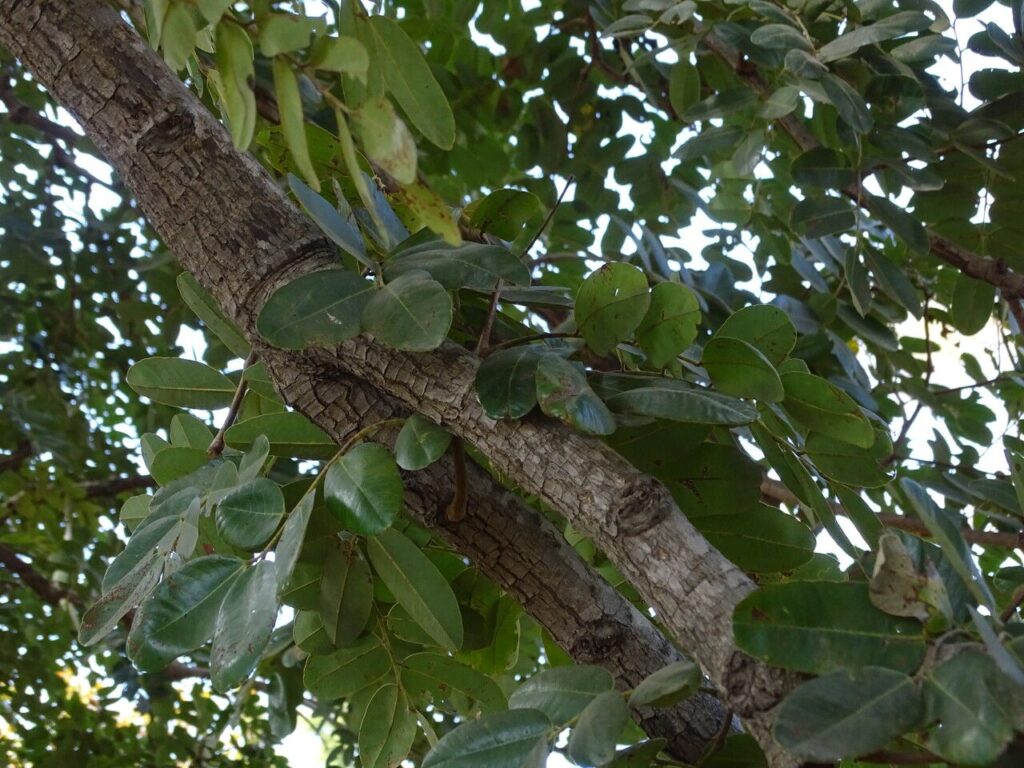
Unlocking the Secrets of the Sweet Detar: A Guide to Propagating Detarium microcarpum
The Detarium microcarpum, more affectionately known as the Sweet Detar or Tallow Tree, is a fruit tree native to West Africa. Bearing delicious, sweet-and-sour fruits with a hint of tamarind, this drought-resistant tree is not only a valuable food source but also boasts medicinal properties. While not yet a household name, cultivating this unique tree is a rewarding experience, and we’re here to demystify the process of propagation.
Two Paths to Propagation: Seeds vs. Cuttings
There are two primary ways to propagate Detarium microcarpum:
1. Seed Propagation: The Traditional Route
- Source Your Seeds: The best source is fresh, mature fruit. Extract the seeds, clean off the pulp, and allow them to air dry for a few days.
- Breaking Dormancy (Optional): The hard seed coat can be tough to crack. Soaking the seeds in warm water for 24 hours or gently nicking the seed coat can hasten germination.
- Planting: Sow seeds about 1-2 inches deep in a well-draining potting mix. Maintain moisture and warmth (around 75-85°F).
- Patience is Key: Germination can take anywhere from a few weeks to several months. Be patient and don’t lose hope!
Pros:
- More accessible starting material
- Potentially greater genetic diversity
Cons:
- Longer germination period
- Not all seeds may be viable
2. Propagation from Cuttings: A Faster Approach
- Timing is Everything: Take semi-hardwood cuttings from healthy branches during the growing season. Choose cuttings that are 6-8 inches long with several nodes.
- Prepare the Cuttings: Remove leaves from the lower half of the cutting. Dip the cut end in a rooting hormone to stimulate root development (optional but recommended).
- Planting: Plant the cuttings in a well-draining potting mix. Ensure the nodes are buried. Cover the pot with a plastic bag to create a humid environment.
- Rooting: Keep the cuttings in a warm, shaded location. Rooting should occur within 4-8 weeks.
Pros:
- Faster than seed propagation
- Produces a genetically identical plant
Cons:
- Requires access to a mature tree for cuttings
- May be slightly more challenging for beginners
Nurturing Your Detarium Microcarpum
Regardless of your chosen propagation method, here are some general care tips:
- Sunlight: Provide your Detarium microcarpum with plenty of sunlight, ideally at least 6 hours per day.
- Watering: Water regularly, allowing the soil to dry slightly between waterings. Avoid overwatering, as this can lead to root rot.
- Soil: Well-draining soil is crucial for healthy growth. A loamy or sandy soil with a slightly acidic pH is ideal.
- Fertilizer: Fertilize your tree a few times a year, especially during the growing season, with a balanced fertilizer.
- Pests and Diseases: While generally resilient, be vigilant about common pests and diseases, addressing them promptly.
In Conclusion: Reaping the Rewards
Propagating Detarium microcarpum might require patience and dedication, but the reward of fresh, homegrown Sweet Detar fruit is well worth the effort. Whether you choose to start from seed or try your hand at cuttings, remember these guidelines, and soon you’ll be enjoying the unique flavors and benefits of this remarkable tree in your own backyard. Happy growing!