
Unlocking the Secrets of Propagation: How to Grow More Deuterocohnia longipetala
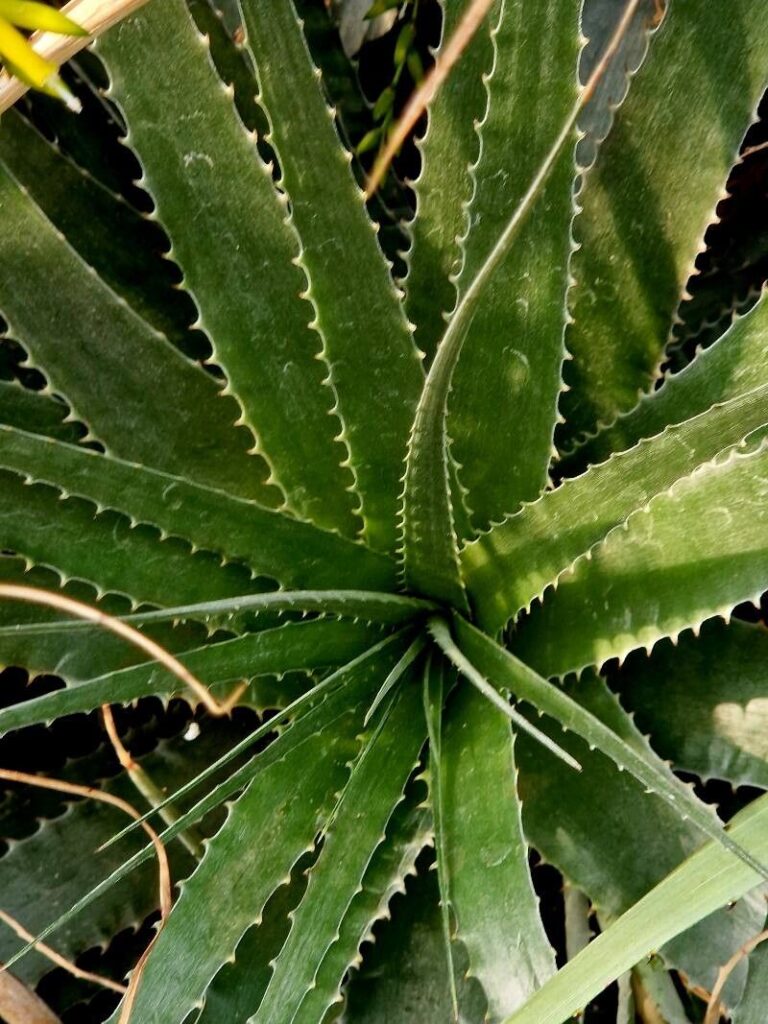
Have you fallen in love with the unique beauty of Deuterocohnia longipetala, with its striking rosettes of silvery-green leaves and delicate, spidery flowers? You’re not alone! This captivating bromeliad is gaining popularity for its easy care and striking appearance. But what if you could share that beauty with others, or simply expand your own collection? Enter the world of propagation!
Propagating Deuterocohnia longipetala is surprisingly simple, and it offers a rewarding journey for any plant enthusiast. Unlike some bromeliads that rely solely on seeds, this species readily produces offsets, or “pups.” These miniature versions of the parent plant sprout at the base and are ready to be separated and nurtured into independent plants.
Let’s dive into the propagation process:
1. The Crucial Waiting Game:
Patience is key! Deuterocohnia longipetala offsets can take anywhere from six months to a year to reach a size suitable for separation. Look for pups that are at least one-third the size of the parent plant. They should have well-developed root systems and several leaves of their own.
2. The Gentle Separation:
Once your pups are ready, it’s time for the separation. The best time for this is during the spring or summer when the plant is actively growing. Here’s how:
- Use a sterilized knife or scissors: This will minimize the risk of introducing diseases to your plants.
- Carefully cut the pup away from the parent plant: Be sure to cut close to the base, taking care not to damage the roots.
- Allow the pup to callous over: This usually takes 1-2 days. During this time, leave it in a dry, airy place.
3. Planting Your New Plants:
Now, it’s time to give your new plants their own homes. Choose a well-draining potting mix like a cactus/succulent mix or a general purpose potting mix amended with perlite or pumice.
- Pot up the pups: Use small pots, ideally with drainage holes, as Deutoerocohnia longipetala prefers a bit of root confinement.
- Gently press the soil around the pup: Ensure the roots are properly covered.
- Water sparingly: Allow the soil to dry out slightly between waterings. Overwatering can lead to root rot.
4. The Nurturing Touch:
Your new plants are now ready for their journey! But make sure to provide them with the right conditions:
- Bright Indirect Light: These plants thrive in a well-lit location but avoid direct sunlight, which can scorch the leaves.
- Warm Temperatures: A temperature range of 65-80 degrees Fahrenheit is ideal for their growth.
- Humid Environment: While not as demanding as some other bromeliads, Deuterocohnia longipetala appreciates some humidity. You can mist the foliage regularly or place them on a pebble tray with water.
5. Patience Again:
While your new plants will likely establish quickly, be patient as they develop a robust root system and start growing new leaves. Providing them with the proper care will lead to healthy, thriving plants that are sure to catch the eye in any home or garden.
In Conclusion:
Propagating Deuterocohnia longipetala is a simple and rewarding practice. With a little time and effort, you can expand your collection and enjoy the beauty of these unique plants. So, get your hands dirty and embark on this exciting journey of propagation! Remember, the most crucial factors are well-draining soil, bright indirect light, and patience. Happy growing!