
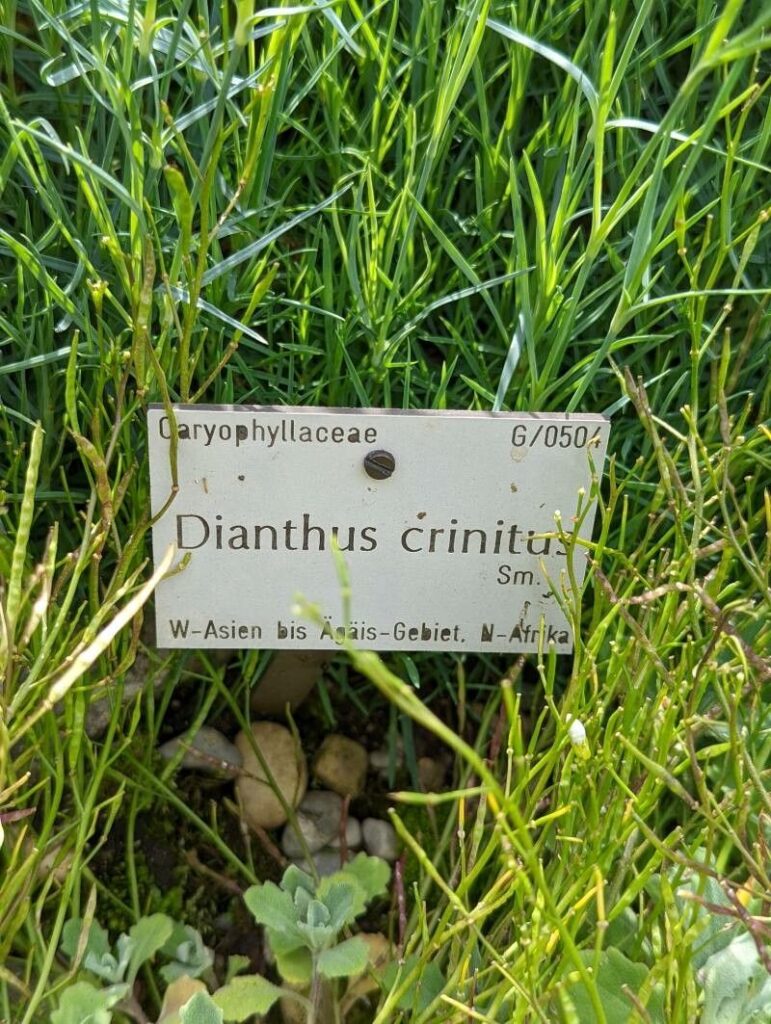
Unleash the Fluffy Charm: Propagating Dianthus Crinitus For a Garden Filled With Delight
Dianthus crinitus, with its explosion of fringed, whimsical blooms, is a sight to behold. Also known as the “fringed pink,” this charming perennial adds a touch of whimsy and a burst of color to any garden. But did you know that sharing the magic of Dianthus crinitus is easier than you think? Let’s delve into the rewarding world of propagation and discover how to multiply your stock of this delightful flower.
Understanding the Basics: Two Methods to Choose From
Two primary methods yield fantastic results when it comes to propagating Dianthus crinitus:
1. Seeds: Sowing the Seeds of Success
- When to Sow: Early spring or late fall are the optimal times for sowing Dianthus crinitus seeds directly into the garden, allowing them ample time to establish before the harshness of summer or winter.
- Sowing Depth: Sprinkle the seeds lightly over well-prepared soil and gently press them in. A depth of ¼ inch is ideal.
- Light and Moisture: While Dianthus crinitus seeds need light to germinate, maintaining consistent moisture is key. Consider using a seed starting mix and misting regularly to avoid disturbing the tiny seeds.
- Patience is a Virtue: Germination typically takes two to three weeks. Once the seedlings have a few sets of true leaves, they can be thinned out, leaving the strongest ones to flourish.
2. Cuttings: Cloning Your Favorites
- Prime Time: The period just after flowering subsides, usually in late summer or early fall, is the perfect time to take cuttings.
- Selecting Cuttings: Look for healthy, non-flowering stems about 3-4 inches long. Using a sharp, sterilized knife or pruning shears, make a clean cut just below a leaf node.
- Preparing the Cuttings: Remove the lower leaves, leaving only a couple at the top. Dip the cut end in rooting hormone to encourage faster root development.
- Planting the Cuttings: Plant your prepared cuttings in a well-draining potting mix. Maintain moisture and humidity to promote rooting. A cloche or plastic bag placed over the pot can help retain moisture.
- Rooting Time: In a few weeks, your cuttings should develop a healthy root system. Once you see new growth, you can transplant them to larger pots or directly into the garden.
Tips for Success:
- Well-Drained Soil is Key: Dianthus crinitus thrives in well-drained soil. Amend heavy clay soils with sand or compost to improve drainage.
- Sunshine is Their Friend: For the best blooms, choose a sunny location for your Dianthus crinitus.
- Deadheading Encourages More Blooms: Regularly removing spent blooms encourages the plant to put its energy into producing more flowers.
Propagating Dianthus crinitus is a rewarding experience that allows you to expand your garden with these whimsical beauties. Whether you choose to sow seeds or take cuttings, following these tips, along with a dash of patience and care, will ensure a bountiful and vibrant display of fringed pinks for seasons to come. So, go ahead and unleash the fluffy charm of Dianthus crinitus in your garden – it’s an adventure worth taking!