
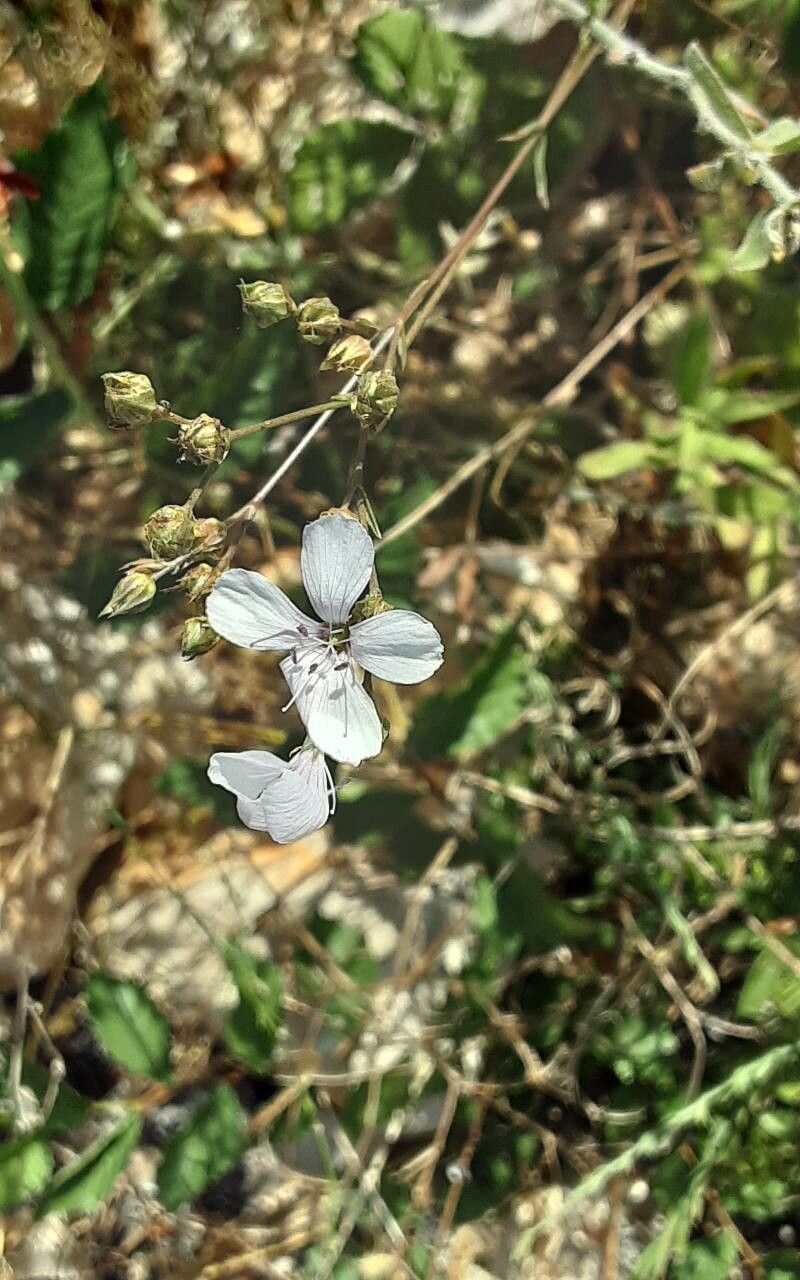
Unlocking the Secrets of Dianthus gyspergerae: A Beginner’s Guide to Propagation
Dianthus gyspergerae, also known as the “Gysperger’s Pink,” is a stunning wildflower that boasts vibrant pink blooms and a captivating fragrance. Bringing this beauty into your garden is simpler than you might think. The secret? Propagation! This guide will walk you through the essential techniques for successfully growing your own Dianthus gyspergerae, giving you the satisfaction of nurturing these wildflowers from start to finish.
Understanding Dianthus gyspergerae Propagation
Propagation is the process of creating new plants from existing ones. For Dianthus gyspergerae, two main methods are successful and relatively straightforward:
- Timing is Key: The best time to sow Dianthus gyspergerae seeds is in early spring. This allows the seedlings to establish themselves before the summer heat.
- Direct Sowing: You can directly sow seeds into your garden bed after the last frost. Prepare the soil by removing any weeds and loosening it with a hand cultivator. Scatter seeds thinly and cover them lightly with soil.
- Starting Indoors: For more controlled germination, you can start seeds indoors in seed trays filled with a well-draining seed starting mix. Sow the seeds about 1/4 inch deep and keep them moist.
2. Division
- When to Divide: Division is best performed in early spring or fall. This method works well for established clumps of Dianthus gyspergerae.
- Dig Carefully: Gently dig up a clump of the plant, being careful not to damage the root system. Use a sharp knife or garden shears to divide the clump into smaller sections, ensuring each division has a healthy root mass.
- Replant and Water: Plant the divisions in prepared soil, spacing them according to the plant’s mature size. Water them well to help them establish.
Tips for Success
- Sunlight is key: Dianthus gyspergerae thrives in full sun, so choose a spot in your garden that receives at least six hours of direct sunlight daily.
- Well-Drained Soil: These plants prefer well-drained soil to prevent root rot. Amend heavy clay soils with compost or perlite.
- Watering: Water regularly, especially during dry periods, but avoid overwatering. Allow the soil to dry slightly between waterings.
- Fertilizing: Dianthus gyspergerae doesn’t need heavy fertilization. A light application of balanced fertilizer in the spring can provide additional nutrients.
Troubleshooting:
- Slow Germination: Dianthus gyspergerae seeds can be slow to germinate. Be patient and keep the soil moist.
- Pests and Diseases: These plants are susceptible to fungal diseases, such as powdery mildew. Good air circulation and preventative fungicides can help.
- Root Rot: Avoid overwatering and ensure the soil drains well to prevent root rot.
Enjoy your Blooming Success!
Mastering the art of propagation is a rewarding journey that allows you to cultivate a beautiful garden filled with vibrant Dianthus gyspergerae flowers. Through seed propagation or division, you can multiply your plant collection and enjoy these stunning wildflowers year after year. So get your hands dirty and embark on this exciting adventure – you’ll be amazed by the flourishing beauty you can create!