
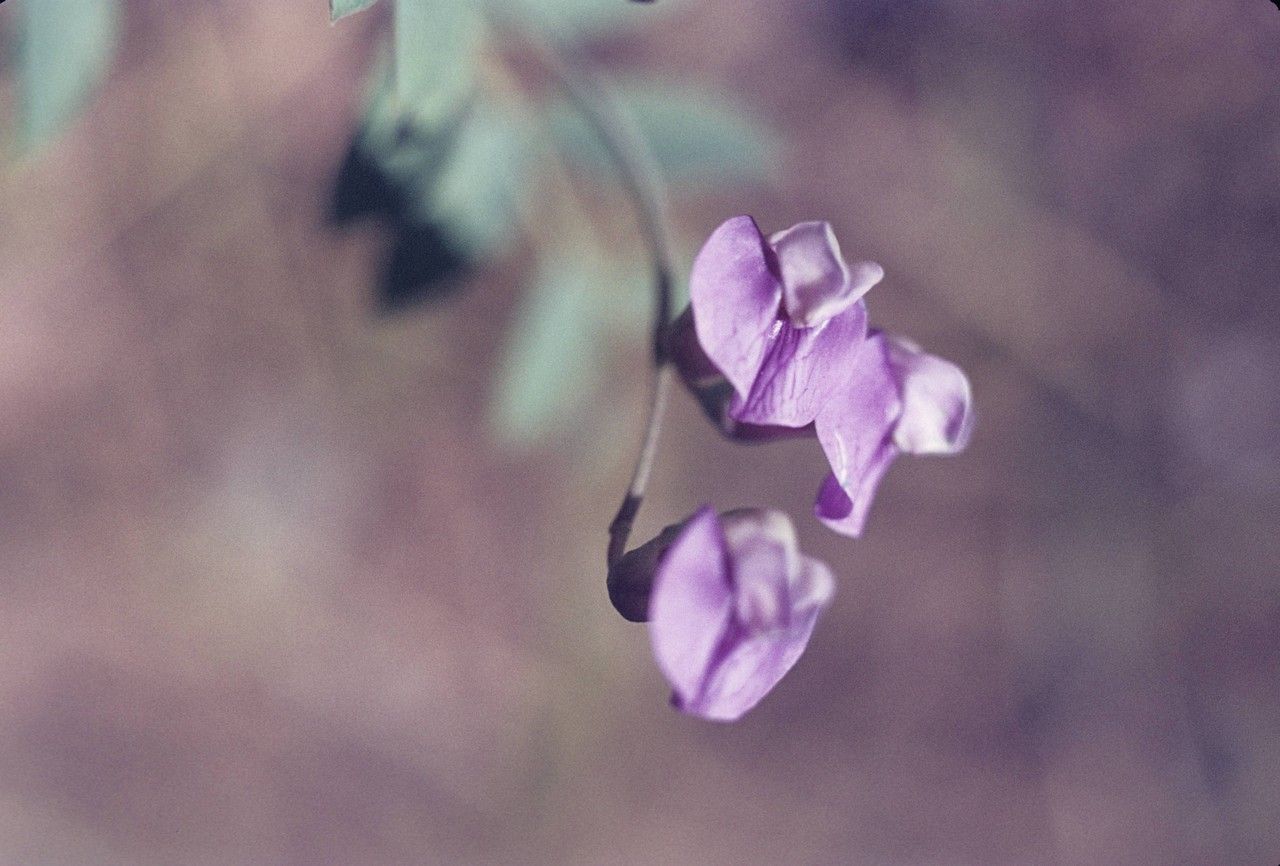
Nevada’s Beauty, Easy to Share: Propagating Lathyrus nevadensis
The Nevada Pea, or Lathyrus nevadensis, is a stunning wildflower celebrated for its delicate beauty and captivating fragrance. Its vibrant purple blooms, adorning slender stems, make it a sought-after addition to gardens and bouquets. But did you know that you can easily share this beauty with others by propagating it yourself?
Methods of Propagation:
Lathyrus nevadensis can be propagated through two primary methods: seeds and cuttings. Both methods offer a rewarding experience, giving you a chance to connect with the plant’s lifecycle and create more of its splendor.
1. Seed Propagation:
- Gathering Seeds: Once the flower fades, a pod containing the seeds will form. Allow the pods to mature fully and turn brown before harvesting.
- Sowing: Sow the seeds directly in the garden, preferably in the fall for a spring bloom. Gently press the seeds into the soil, ensuring they are not buried too deeply.
- Germination: Nevada Pea seeds can take several weeks to sprout, so be patient! Germination requires cool temperatures and moist soil.
- Sunlight: Choose a location with ample sunlight but some afternoon shade.
2. Cuttings:
- Timing: Cuttings are best taken in the early spring, as the plant begins to grow actively.
- Selection: Choose healthy, non-flowering stems. Make a cut just below a leaf node, ensuring you have a section with at least two or three leaves.
- Preparation: Remove the lower leaves from the stem and dip the cut end in a rooting hormone.
- Rooting: Plant the cutting in a well-draining potting mix, ensuring the remaining leaves are above the soil. Keep the soil consistently moist.
- Environment: Place the cutting in a bright location with indirect light. A humidity dome can help retain moisture and encourage rooting.
Essential Tips:
- Soil: Lathyrus nevadensis thrives in well-drained, fertile soil. Incorporate organic amendments like compost to enhance soil structure and fertility.
- Watering: While the plant prefers consistent moisture, avoid overwatering as it can lead to root rot. Water deeply but infrequently, allowing the soil to dry slightly between waterings.
- Sunlight: Full sun to partial shade is ideal for this species.
- Support: As the stems grow, provide support using trellises, stakes, or other structures to encourage upright growth and prevent tangling.
Conclusion:
Propagating Lathyrus nevadensis is an engaging and rewarding process. Whether you choose to start from seed or cuttings, you can create new plants that will fill your garden with vibrant color and captivating fragrance.
Sharing the beauty of Nevada Pea with others, whether friends, family, or community gardens, makes this act of propagation even more meaningful. So, why not give it a try? You might just discover a new passion for plants and a connection to the natural world you never knew existed.