
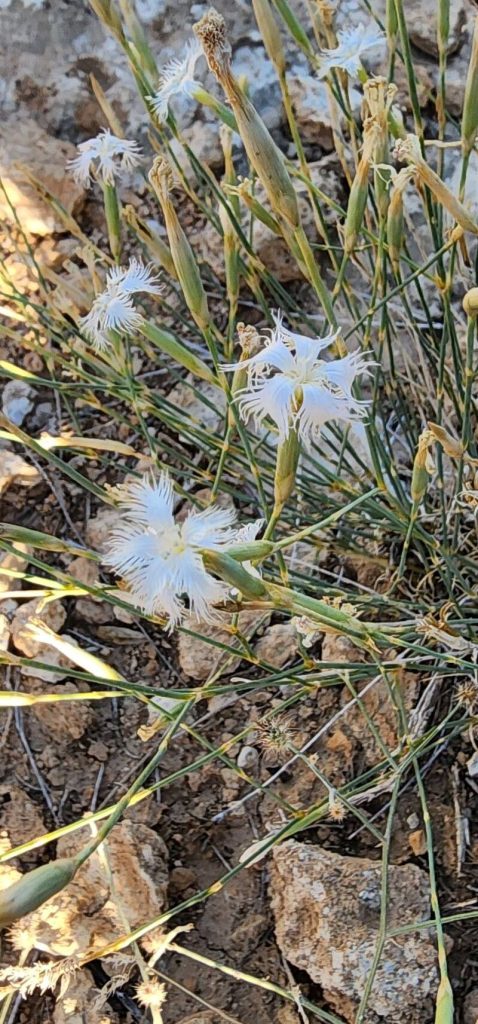
Propagating Dianthus macranthus: Bringing the Large-Flowered Pink to Your Garden
Introduction:
Dianthus macranthus, often called the large-flowered pink or sometimes simply giant pink, is a captivating member of the Caryophyllaceae family, prized for its showy, intensely coloured flowers and attractive foliage. Its vibrant blooms, ranging from deep pinks to purples and whites, make it a popular choice for rock gardens, borders, and containers. However, propagating this beautiful species can present unique challenges. While its striking beauty draws gardeners, its propagation success isn’t always guaranteed, demanding patience and specific techniques. This article explores various methods for propagating Dianthus macranthus, weighing their effectiveness and difficulty.
Seed Germination:
Currently, there are no known reliable methods for seed germination propagation of Dianthus macranthus. While the plant does produce seeds, their germination rates are notoriously low, and success is rarely reported by home gardeners or professional nurseries. Factors such as seed dormancy and the plant’s specific genetic traits likely contribute to this difficulty.
Cuttings:
Cuttings offer a more reliable method for propagating Dianthus macranthus.
Challenges: Rooting can be slow and inconsistent, particularly if the cuttings are not taken at the optimal time or prepared correctly. The success rate can be affected by factors such as temperature, humidity, and the use of rooting hormones.
Tips: Take semi-hardwood cuttings (partially mature stems that are not quite woody) in late spring or early summer. Use a sharp, clean knife or shears to prevent the spread of disease. Remove lower leaves from the cutting, leaving only a few at the top. Dip the base of the cutting in rooting hormone powder and plant it in a well-draining propagating mix, such as a blend of perlite and vermiculite. Maintain high humidity by covering the cuttings with a clear plastic bag or humidity dome and ensure consistent moisture, but not overly wet conditions. A bottom-heat propagator can significantly increase success rates.
Rewards: Cuttings offer a quicker pathway to a flowering plant compared to any other method, essentially cloning the parent plant, ensuring that the desirable traits are preserved.
Division:
Division is another reasonably successful method, particularly for established plants.
Challenges: Dividing Dianthus macranthus requires care to avoid damaging the root system, which can be quite fragile. Incorrect division can lead to the death of the plant divisions. The timing is critical to avoid stress on the plant.
Tips: Divide healthy plants in spring or fall, when the plant is actively growing or beginning new growth. Carefully dig up the entire plant and gently separate the root ball into smaller sections, ensuring each division possesses healthy roots and shoots. Replant the divisions immediately in well-prepared soil. Water thoroughly after planting.
Rewards: Division allows the propagation of a large number of plants from established clumps. It is a relatively low-tech propagation method and a relatively low-risk option, if done carefully.
Tissue Culture:
Tissue culture is a highly specialized technique and is generally not practical for home gardeners.
Challenges: Tissue culture requires a sterile laboratory environment, specific media, and specialized technical knowledge. It is expensive to set up and maintain, and only large-scale producers are likely to have facilities to accomplish this.
Tips: This method involves sterilizing plant tissue and culturing it on nutrient agar in a sterile environment. Developing a suitable protocol is challenging for this particular plant.
Rewards: This method would deliver substantial propagation quantities but requires specialized equipment and knowledge. Genetic uniformity is achieved making it potentially valuable for large scale commercial production.
Conclusion:
Propagating Dianthus macranthus presents unique challenges depending on the method chosen. Seed germination is largely unreliable, while cuttings and division provide more achievable pathways for the home gardener. Tissue culture offers high output but necessitates specialized resources and expertise. While all three methods present difficulties, the joy of successfully propagating this stunning plant and sharing its beauty is immensely rewarding. Don’t be discouraged by initial setbacks; experimentation, patience, and careful attention to detail are key to success. Start with cuttings or division as the most accessible options, and celebrate each new Dianthus macranthus plant as a testament to your dedication.