
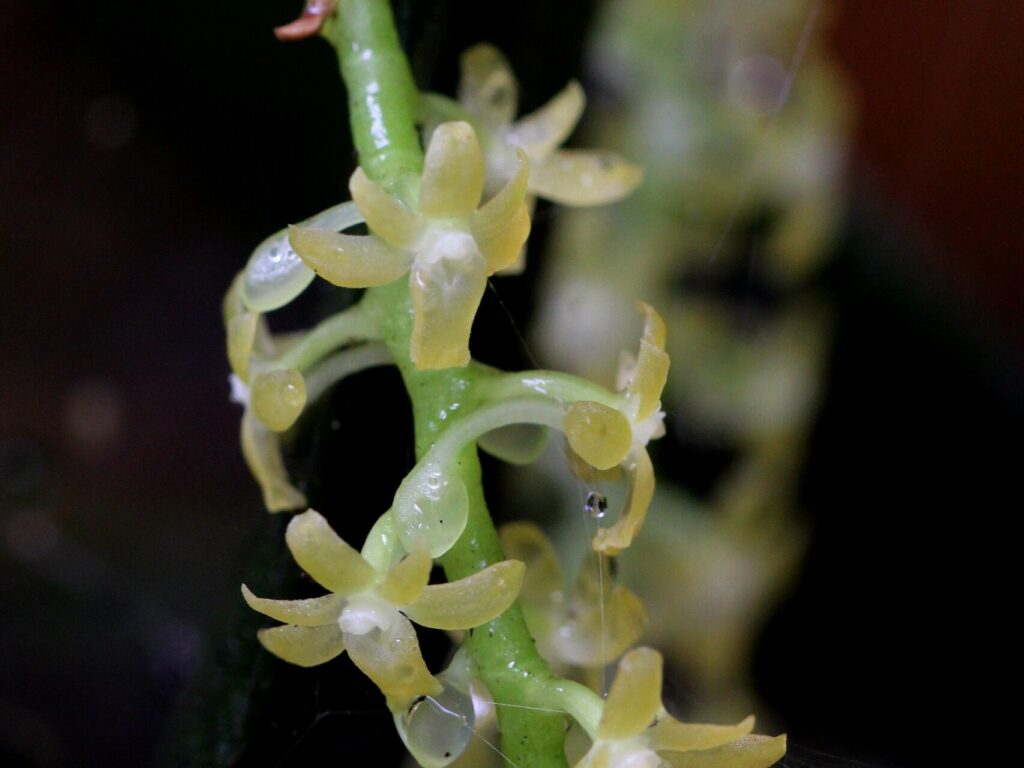
Unlocking the Secret to Growing Diaphananthe thomensis: A Guide to Propagation
The delicate beauty of Diaphananthe thomensis, with its cascading sprays of fragrant, star-shaped flowers, is a sight to behold. But acquiring this rare orchid can be a challenge. For many, propagation holds the key to enjoying these exquisite blooms in their own collection. This guide will delve deeper into the fascinating world of Diaphananthe thomensis propagation, providing insights and practical tips for successful cultivation.
The Magic of Mericlones:
Diaphananthe thomensis is notoriously challenging to propagate through traditional methods. However, the most reliable and widely used technique is mericloning. This method involves cultivating new plants from tissue culture. By isolating and multiplying cells from the orchid’s leaves or stem tips, growers can create clones that are genetically identical to the parent plant.
The Process of Mericloning:
Mericloning is a complex process that typically involves a sterile laboratory environment. Here’s a simplified breakdown:
- Explant Acquisition: Healthy, disease-free tissue is taken from the orchid. This can be a segment of a leaf, a stem tip, or a bud.
- Sterilization: The tissue is meticulously sterilized to eliminate any harmful organisms.
- Culture Initiation: The explant is placed on a special growth medium containing the necessary nutrients and hormones.
- Callus Induction: The explant will form undifferentiated cells called callus.
- Shoot Formation: The callus will then develop into shoot buds.
- Root Development: The shoots are transferred onto a rooting medium to encourage root growth.
- Acclimatization: Once the plantlets have developed roots, they are carefully moved out of the sterile conditions and into a greenhouse or home environment.
The Advantages of Mericloning:
- Genetic Consistency: Mericlones produce plants with identical genetic makeup, ensuring consistent traits and flower color throughout the population.
- Rapid Propagation: Mericloning can quickly generate numerous new plants, making it ideal for large-scale production.
- Disease Control: By eliminating potential diseases from the original tissue, mericloning helps ensure healthy orchids.
Other Propagation Methods – Exploration and Experimentation:
While mericloning is the gold standard for Diaphananthe thomensis, some enthusiasts have achieved success with other methods.
- Seed Propagation: Germinating seeds from this orchid can be notoriously challenging. It requires specialized techniques and immense patience.
- Air Layering: This method involves inducing roots on a stem segment while it’s still attached to the parent plant. It can be more successful with certain orchids, but it is not commonly employed for Diaphananthe thomensis.
A Word of Caution:
Diaphananthe thomensis is a rare species, and ethical considerations must guide any propagation attempts. Always ensure that your source of material is reputable and legal. Responsible propagation practices are crucial to preserving this beautiful orchid for future generations.
Embark on Your Journey with Diaphananthe thomensis:
The world of Diaphananthe thomensis propagation offers a unique opportunity to connect with the fascinating world of orchids. While mericloning is the most reliable method, explore and experiment with other techniques with patience and respect for this rare and beautiful orchid. With dedication and careful planning, you can bring the captivating beauty of Diaphananthe thomensis to bloom in your very own environment.