
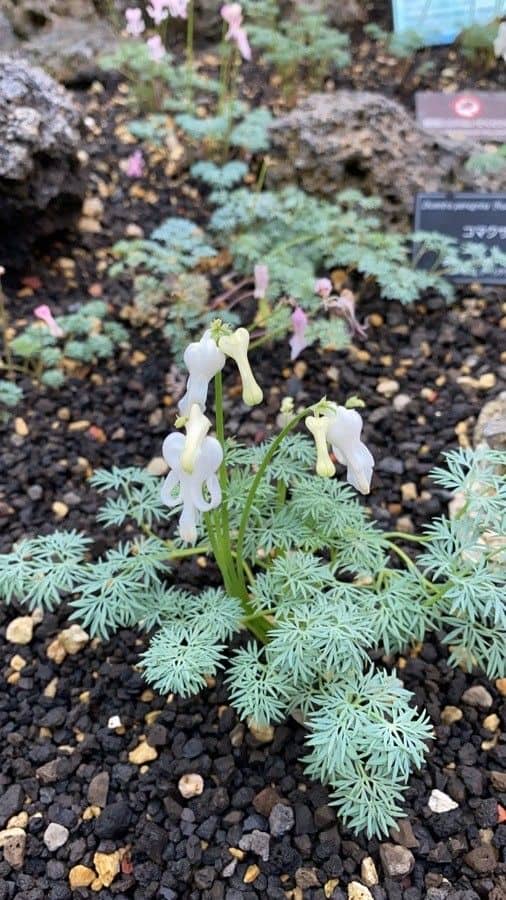
Unveiling the Mystery: How to Propagate the Elusive Bleeding Heart of Japan (Dicentra peregrina)
The Bleeding Heart of Japan (Dicentra peregrina) isn’t your average garden variety flower. This delicate beauty, with its finely cut foliage and ethereal, heart-shaped blooms, holds a certain allure for plant enthusiasts seeking something truly unique. But if you’re hoping to expand your collection of this captivating plant, you might be surprised to learn that propagation isn’t for the faint of heart.
Unlike its easily-divided cousin, the common Bleeding Heart (Lamprocapnos spectabilis), D. peregrina presents a delightful challenge. So, if you’re ready to embrace the adventure, let’s delve into the fascinating world of propagating this botanical treasure.
Method 1: The Waiting Game – Propagation from Seed
Patience is a virtue, especially when it comes to propagating D. peregrina from seed. Here’s the lowdown:
- Seed Collection: Timing is everything! Collect seeds immediately after the flowers fade, as they have a short viability period. Look for small, black seeds within the papery seed pods.
- Cold Stratification: D. peregrina seeds require a period of cold treatment to break dormancy. Mix the seeds with moist vermiculite or sand and store them in the refrigerator (around 40°F) for 8-12 weeks.
- Sowing the Seeds: Once stratified, sow the seeds in a well-draining seed starting mix, barely covering them with soil.
- Patience, Young Padawan: Germination can take anywhere from a few weeks to several months. Keep the soil consistently moist but not waterlogged, and provide bright, indirect light.
Method 2: A Touch of Magic – Propagation from Root Cuttings
For a quicker, albeit slightly more advanced, approach, try propagating D. peregrina from root cuttings.
- Timing is Key: The best time for this method is late fall or early spring when the plant is dormant.
- Gently Unearth the Treasure: Carefully dig up a mature plant and choose healthy, pencil-thick roots.
- Cut with Precision: Using a sharp, sterilized knife, cut the roots into 2-3 inch sections, making sure to identify the top and bottom of each cutting.
- Planting the Potential: Dip the bottom ends of the cuttings in rooting hormone (optional but recommended) and plant them vertically in a well-draining mix, ensuring the top is level with the soil surface.
- Nurture and Grow: Water thoroughly and place the cuttings in a warm, brightly lit area, out of direct sunlight.
Tips for Success
- Well-draining Soil is Essential: D. peregrina is prone to root rot, so ensure your chosen soil mix promotes good drainage.
- Light is Right: While it appreciates some shade during the hottest part of the day, this plant thrives in bright, indirect light.
- Don’t Overwater: Allow the soil to dry out slightly between waterings. Overwatering is a recipe for disaster.
Propagating D. peregrina requires a little extra effort, but the reward of witnessing these ethereal beauties multiply in your garden is well worth the wait. So, channel your inner plant whisperer, embrace the challenge, and enjoy the journey of nurturing these captivating plants from seed or root to bloom.