
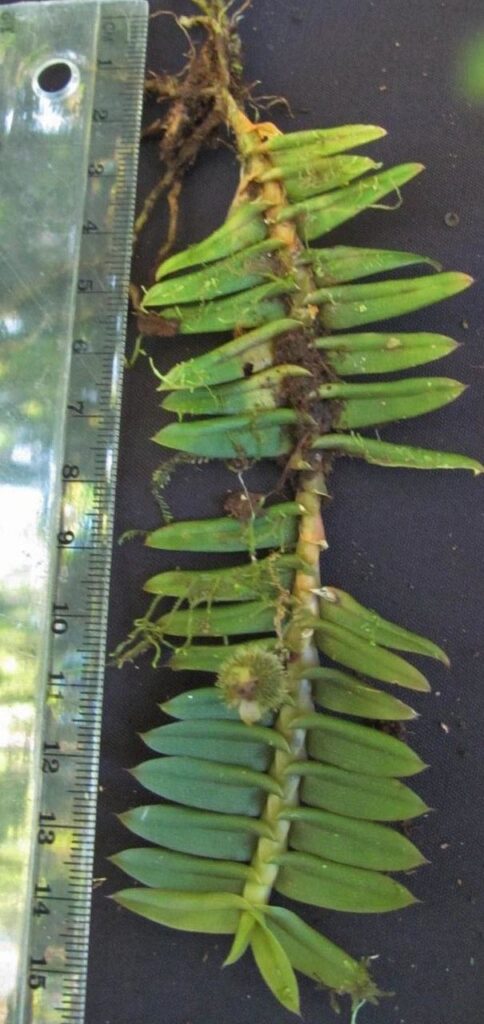
Demystifying Dichaea Dammeriana Propagation: A Beginner’s Guide to Success
Dichaea dammeriana, with its cascading stems and charming, delicate blooms, is a truly captivating orchid species. But while its beauty is undeniable, many orchid enthusiasts shy away from this unique plant, intimidated by the perceived complexities of its propagation.
Fear not fellow plant lovers! This guide will demystify Dichaea dammeriana propagation, providing you with the knowledge and confidence to expand your orchid family.
Understanding Dichaea Dammeriana
Native to Central and South America, Dichaea dammeriana is a sympodial epiphyte. This means it grows horizontally, producing new growth from a rhizome, and naturally grows upon other plants (like trees) for support rather than in soil. Understanding this growth habit is key to successful propagation.
Methods for Propagation
There are two main methods for propagating Dichaea dammeriana:
1. Division:
- The Ideal Time: The best time for division is during the plant’s active growing season, typically spring or early summer.
- Identifying Divisions: Look for healthy sections of the rhizome with at least 3-4 mature pseudobulbs (the thickened, stem-like structures). Each division should have healthy roots attached.
- Making the Cut: Using a sterilized, sharp knife or shears, carefully cut the rhizome, ensuring each division has sufficient roots attached.
- Potting the Divisions: Plant your divisions in a well-draining orchid mix, like a blend of bark, perlite, and sphagnum moss. Ensure the rhizome is situated slightly above the potting medium to prevent rot.
2. Backbulbs (Keikis):
- What are Keikis?: Keikis are essentially baby orchids that can sprout from mature pseudobulbs. They offer a less invasive propagation method.
- Encouraging Keiki Growth: While not always reliable, providing your Dichaea dammeriana with ample humidity and slightly warmer temperatures can encourage keiki development.
- Separating Keikis: Once a keiki forms and develops its own roots (at least 2-3 inches long), it can be carefully detached from the mother plant.
- Potting the Keiki: Plant your keiki in a similar well-draining orchid mix as you would for divisions, taking extra care as these baby plants are delicate.
Essential Care After Propagation
- Light: Provide bright, indirect light, similar to what a Dichaea dammeriana would receive in its natural habitat.
- Water: Water thoroughly when the potting mix approaches dryness. Avoid overwatering, which can lead to root rot.
- Humidity: Aim for moderate to high humidity (60-70%) by using a humidifier, pebble tray, or grouping plants together.
- Fertilizer: Use a balanced, diluted orchid fertilizer every other week during the growing season.
Patience is Key: Remember, propagation takes time! Be patient, and your efforts will eventually be rewarded with new Dichaea dammeriana plants to cherish and share.
With this guide and a little practice, anyone can successfully propagate this exquisite orchid species. So, don’t be afraid to give it a try – your windowsill will thank you for the added greenery and elegant blooms!