
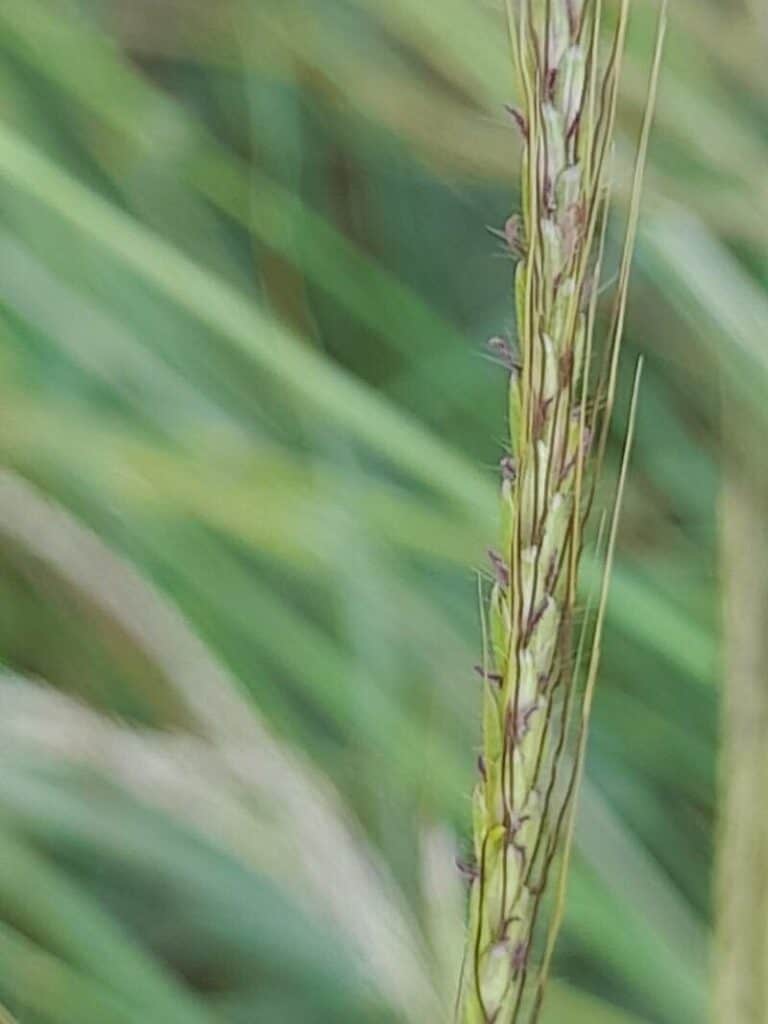
Taming the Wild Tussock: Propagating Dichanthium Annulatum for a Lush, Eco-Friendly Lawn
Dichanthium annulatum, also known as Kleberg bluestem or simply "Kleberg," isn’t a name that rolls off the tongue for the average gardener. But don’t let the unfamiliar name fool you! This robust, low-maintenance grass deserves a place in any eco-conscious landscaper’s arsenal. Today, we’re diving deep into the world of Dichanthium annulatum propagation – how to multiply this wonder grass and unleash its benefits in your own backyard.
Understanding the Allure of Dichanthium Annulatum
Before we delve into the "how," let’s address the "why." What makes Dichanthium annulatum worth the effort? Here’s a glimpse:
- Drought Tolerance: This tough cookie thrives in dry conditions, requiring significantly less water than traditional lawn grasses.
- Pest and Disease Resistance: Say goodbye to endless battles with pests and diseases – Dichanthium annulatum boasts natural resistance.
- Erosion Control: Its deep root system acts like a natural net, preventing soil erosion and promoting healthy land.
- Wildlife Habitat: This grass provides shelter and food sources for beneficial insects and birds.
Propagation Techniques for Dichanthium Annulatum
Now, let’s get our hands dirty, shall we? Dichanthium annulatum offers two main propagation methods:
- Best Time: Early spring or late summer
- Process:
- Prepare a seedbed with well-draining soil and rake the surface smooth.
- Sow seeds evenly, aiming for a depth of 1/4 inch.
- Water gently but consistently, keeping the soil moist until germination, which typically takes 2-3 weeks.
- Pros: Cost-effective for establishing large areas
- Cons: Slower establishment compared to vegetative propagation
2. Vegetative Propagation (Division)
- Best Time: Spring or early fall
- Process:
- Dig up a healthy clump of Dichanthium annulatum.
- Carefully divide the clump into smaller sections, ensuring each division has a healthy root system.
- Plant the divisions in prepared holes spaced 12-18 inches apart. Water thoroughly.
- Pros: Quicker establishment, maintains desirable traits of the parent plant
- Cons: Requires existing Dichanthium annulatum plants for division
Nurturing Your Newly Propagated Dichanthium Annulatum
Successfully establishing your Dichanthium annulatum is just the beginning. Here are some tips for ongoing care:
- Watering: While drought-tolerant, provide regular watering during the first year to establish a deep root system.
- Mowing: Dichanthium annulatum enjoys a more natural look. Mow infrequently at a height of 3-4 inches.
- Fertilizing: This grass thrives in lean conditions. Limit fertilization to once a year in spring with a slow-release, organic fertilizer.
Embrace the Beauty and Sustainability
Propagating Dichanthium annulatum isn’t just about having a lush lawn; it’s about contributing to a healthier planet. By choosing this eco-friendly alternative, you’re making a conscious decision to conserve water, reduce chemical use, and support local biodiversity. It’s time we embrace alternatives that are both beautiful and sustainable – Dichanthium annulatum might just be the answer you’ve been searching for.