
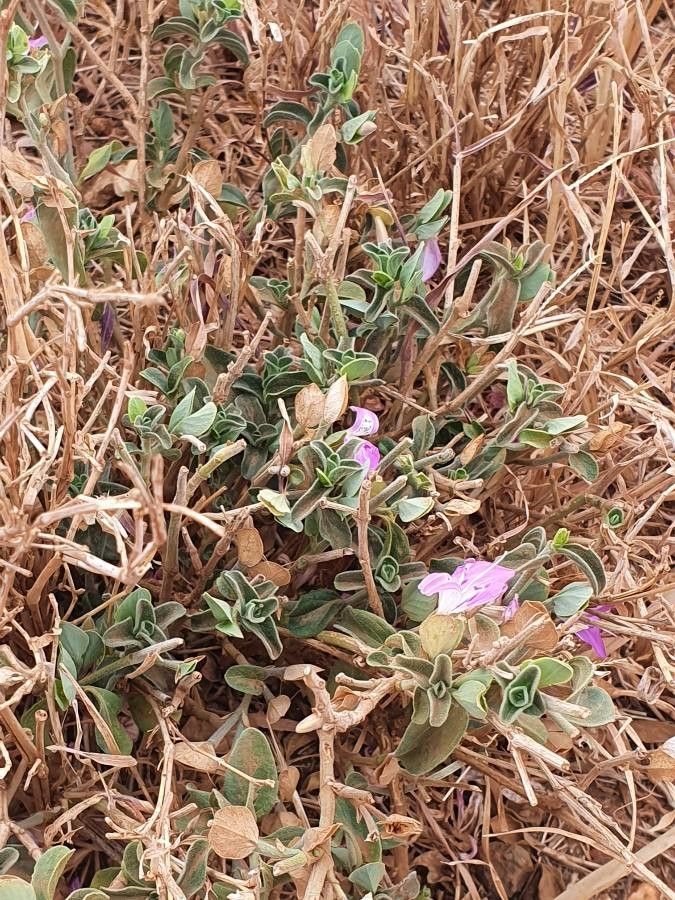
Unveiling the Secrets of Napier’s Dicliptera: A Propagation Guide for Budding Enthusiasts
Dicliptera napierae, with its vibrant blooms and graceful foliage, is a showstopper in any garden. Also known as the “Napier’s Foldwing,” this East African native boasts stunning, tubular flowers that range in color from fiery orange to a gentle salmon pink, attracting a myriad of pollinators. While admiring its beauty is one thing, wouldn’t it be incredible to multiply this botanical gem in your own backyard? This guide dives deep into the world of Dicliptera napierae propagation, equipping you with the knowledge and confidence to cultivate new plants and share the joy of this unique species.
Two Paths to Propagation: Seeds vs. Cuttings
Dicliptera napierae offers two primary methods of propagation:
-
Seeds: For those who enjoy the anticipation of witnessing life sprout from a tiny seed, this method is incredibly rewarding. Look for seed pods forming after the flowers fade. Collect them once they turn brown and dry, and carefully extract the seeds. Sow them in a well-draining seed starting mix, keeping the soil consistently moist but not waterlogged. Place the container in a warm, brightly lit location, and be patient – germination can take a few weeks.
-
Stem Cuttings: If you’re seeking quicker results and a higher success rate, stem cuttings are the way to go. The best time for taking cuttings is during the active growing season, ideally in spring or early summer. Select healthy, non-flowering stems and using clean, sharp shears, take cuttings about 4-6 inches long, ensuring each cutting has at least two nodes (small bumps on the stem where leaves emerge). Remove the lower leaves to prevent rotting, and you have two options:
-
Water Propagation: Place the cuttings in a glass or jar filled with water, ensuring the nodes are submerged. Position the container in indirect sunlight and replenish the water every few days. Roots should start appearing within a couple of weeks. Once they’re about an inch long, carefully transfer the cuttings to pots filled with well-draining potting mix.
- Soil Propagation: Dip the cut end of the stems in rooting hormone (optional but recommended) and plant them directly into a pot filled with a well-draining seed starting mix. Keep the soil consistently moist and place the pot in a warm, bright location, away from direct sunlight. To create a humid environment that promotes rooting, you can cover the pot with a plastic bag, ensuring good air circulation.
-
Nurturing New Life: Post-Propagation Care
Whether you choose seeds or cuttings, once your Dicliptera napierae babies are established, they require similar care:
- Light: These sun-loving beauties thrive in bright, indirect light. Avoid placing them in direct sunlight, as this can scorch their delicate leaves.
- Water: While they appreciate consistently moist soil, overwatering can lead to root rot. Allow the topsoil to dry slightly between waterings.
- Humidity: As tropical plants, they appreciate a humid environment. Misting the leaves regularly or placing a humidifier nearby can recreate their ideal conditions.
- Fertilizer: Feed your Dicliptera napierae every 4-6 weeks during the growing season with a balanced liquid fertilizer diluted to half strength.
Propagating Dicliptera napierae might seem like a botanical puzzle at first, but armed with the right knowledge and a dash of patience, you’ll be amazed by how easily you can multiply this stunning plant. So, go forth, propagate, and let your garden burst with the vibrant charm of Napier’s Foldwing!