
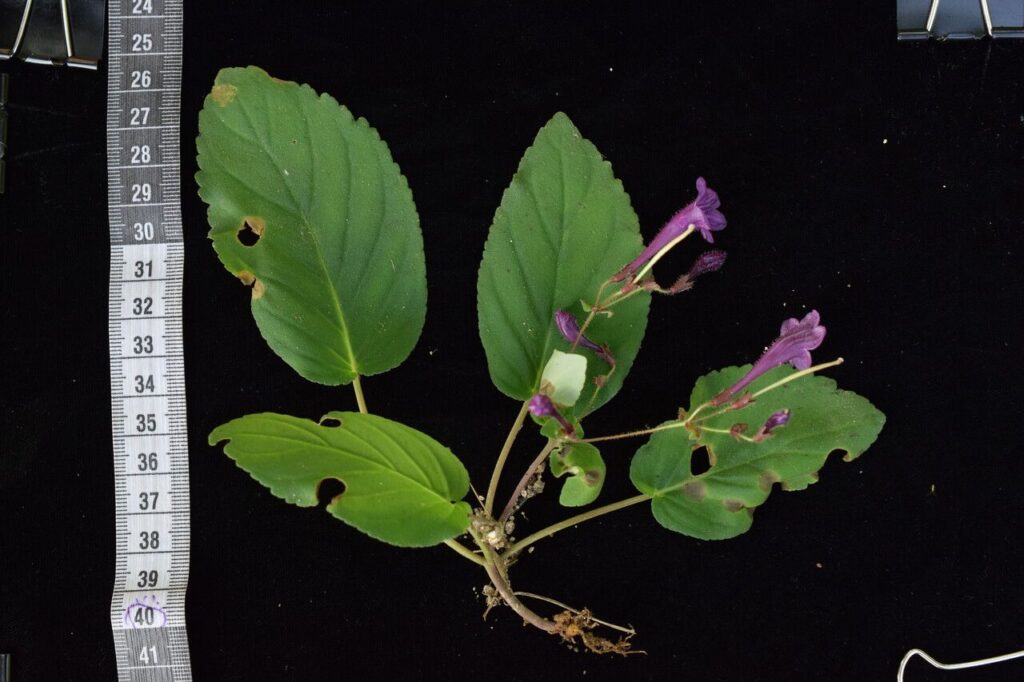
Unlocking the Secrets of Propagation: How to Grow More Didymocarpus cinereus
Didymocarpus cinereus, with its velvety silvery-grey leaves and delicate lilac flowers, is a captivating houseplant that adds a touch of elegance to any indoor space. But what if you could share this enchanting beauty? Luckily, propagating Didymocarpus cinereus is not as daunting as it might seem. This blog post will guide you through the process, unlocking the secrets to growing more of this captivating species.
Understanding the Basics of Propagation
Propagation refers to the process of creating new plants from existing ones. There are several methods, each with its own advantages and suitability depending on the plant species. For Didymocarpus cinereus, two primary methods are commonly used:
- Leaf Cuttings: This method utilizes the plant’s leaves to produce new roots and shoots.
- Stem Cuttings: Similar to leaf cuttings, this method uses stem sections to develop new plants.
Propagation Using Leaf Cuttings: A Simple and Effective Method
- Select Healthy Leaves: Choose mature, healthy leaves from your Didymocarpus cinereus plant. Look for leaves that are free of pests, diseases, and damage.
- Cut the Leaves: Using clean, sharp scissors or a knife, cut the leaves from the plant, leaving a short stem attached (about 1 inch).
- Prepare the Cuttings: Dip the cut end of the leaf in a rooting hormone powder or gel. This helps stimulate root development.
- Plant the Cuttings: Fill a small pot with a well-draining seed-starting mix or a mix of perlite and peat moss. Gently insert the leaf cuttings into the soil, ensuring the cut end is buried.
- Provide Suitable Conditions: Place the pot in a warm, bright location but out of direct sunlight. Keep the soil consistently moist but not waterlogged. Cover the pot with a plastic bag or dome to create a humid environment.
- Monitor for Roots: After a few weeks, check for root development by gently tugging on the leaf. If you feel resistance, roots are likely present, and you can gradually introduce the new plant to normal growing conditions.
Propagation Using Stem Cuttings: A Faster Approach
- Choose Healthy Stems: Select non-flowering stems with at least two nodes (the bumps on the stem where leaves grow).
- Cut the Stems: Using clean, sharp scissors or a knife, cut between two nodes to create a 2-3 inch long stem cutting.
- Prepare the Cuttings: Dip the cut ends of the stem cuttings in rooting hormone powder or gel, and then plant them in a pot filled with a suitable soil mix.
- Provide Optimal Conditions: Similar to leaf cuttings, place the pot in a warm, bright location with indirect light. Keep the soil consistently moist and maintain a humid environment.
- Monitor for Growth: Stem cuttings typically root faster than leaf cuttings. You should see new growth emerging within a few weeks.
Frequently Asked Questions
Q: What is the best time to propagate Didymocarpus cinereus?
A: The best time to propagate is during the plant’s active growth season, which is typically spring and summer.
Q: Can I propagate Didymocarpus cinereus in water?
A: Yes, you can propagate Didymocarpus cinereus in water, but it may not root as quickly as in soil.
Q: What are the signs that my propagated Didymocarpus cinereus is healthy?
A: Look for vigorous growth, strong new leaves, and the development of a healthy root system.
Conclusion
Propagation of Didymocarpus cinereus is an exciting and rewarding experience. By following these simple steps, you can enjoy the satisfaction of nurturing new life from your favorite houseplant. Remember patience is key, and over time, you will be rewarded with a beautiful, thriving plant that will add a touch of elegance to your home.