
Propagating Dieffenbachia grayumiana: A Gardener’s Guide
Introduction
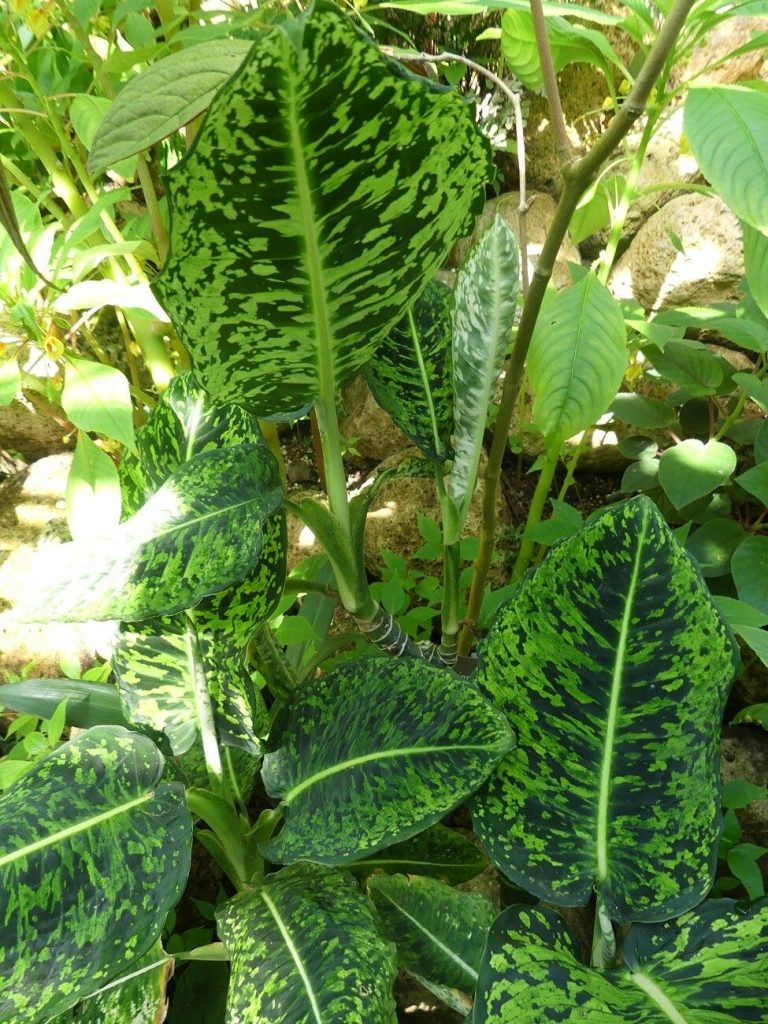
Dieffenbachia grayumiana, often called the “Grayum’s Dieffenbachia,” is a captivating member of the Araceae family, prized for its striking foliage. Characterized by its large, ovate leaves frequently adorned with distinctive patterns of creamy white or yellowish variegation against a dark green backdrop, it’s a sought-after plant among houseplant enthusiasts and collectors. Its relative rarity and unique aesthetic contribute to its horticultural significance. However, propagating this beauty presents specific challenges, making successful propagation a rewarding endeavor. The methods discussed below explore the various techniques available, highlighting their pros and cons.
Seed Germination
Currently, there are no known reliable methods for seed germination propagation of Dieffenbachia grayumiana. While Dieffenbachia species in general can produce seeds, the availability of viable seeds from D. grayumiana is extremely limited. Furthermore, even if seeds were obtained, germination rates are likely to be low and success unpredictable due to the plant’s specific germination requirements, which remain largely undocumented.
Cuttings
Cuttings offer a more practical approach to propagating Dieffenbachia grayumiana.
Challenges: The primary challenge lies in preventing rot. Dieffenbachia cuttings are susceptible to fungal infections if not handled properly.
Practical Tips: Stem cuttings, taken from healthy, mature stems, are the preferred method. Cuttings should be at least 4-6 inches long and include at least two nodes. Remove the lower leaves to prevent rot. Allow the cut end to callous over for a day or two before planting in a well-draining propagating mix, such as perlite and peat moss. Maintaining high humidity (e.g., using a humidity dome or regularly misting) is crucial. A warm, bright location (indirect light) is ideal. Root hormone powder can enhance rooting success.
Rewards: Cuttings offer a relatively quick and reliable method for increasing the number of plants. The resulting plants will be genetically identical to the parent plant, preserving desirable traits.
Division
Division is possible when the plant is mature and has developed substantial rhizomes.
Challenges: Carefully dividing the rhizomes without damaging them is crucial for success. Over-watering after division can lead to rot.
Practical Tips: Gently remove the plant from its pot. Carefully separate the rhizomes using a sharp, sterilized knife or shears. Ensure each division has a healthy section of roots and several stems. Replant each division in well-drained potting mix, avoiding overwatering initially.
Rewards: Division allows for the propagation of multiple plants from a single, mature specimen.
Tissue Culture
Tissue culture offers a highly efficient method for mass propagation of Dieffenbachia grayumiana.
Challenges: Tissue culture requires specialized equipment, sterile laboratory conditions, and significant expertise. It is generally not a viable method for home propagators.
Practical Tips: This method involves culturing small pieces of plant tissue on a nutrient-rich agar medium under sterile conditions. Success hinges on careful sterilization techniques, correct media composition, and appropriate environmental controls (temperature, light, humidity).
Rewards: Tissue culture is the most efficient method for producing large numbers of genetically identical plants and is crucial for conservation efforts.
Conclusion
Propagating Dieffenbachia grayumiana presents unique challenges across all methods. While seed propagation is currently impractical, cuttings offer the most accessible and rewarding approach for the average hobbyist, prioritizing preventing rot through proper technique. Division is viable for mature plants, while tissue culture remains the domain of professionals. The satisfaction derived from successfully cultivating this beautiful plant, especially considering the difficulties involved, is immense. For aspiring propagators, patience, attention to detail, and a willingness to learn from setbacks are essential ingredients for success. Remember that even experienced propagators may experience losses – perseverance is key!