
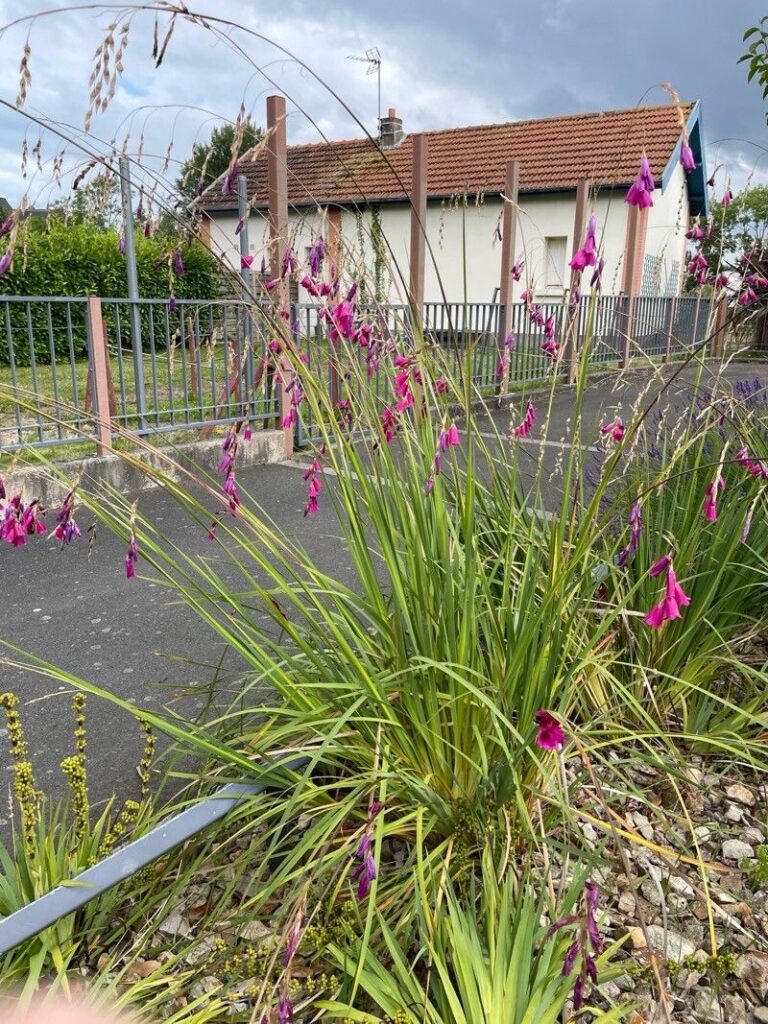
Propagating Dierama pulcherrimum: The Graceful Challenge of the Fairy Wand
Introduction:
Dierama pulcherrimum, commonly known as the Fairy Wand or Hairgrass, is a captivating member of the Iridaceae family, prized for its elegant, arching stems adorned with delicate, bell-shaped flowers. These flowers, often in shades of pink, mauve, or white, sway gracefully in the breeze, creating a mesmerizing spectacle in gardens. Its beauty contributes to its popularity among gardeners, but its propagation presents unique challenges. Understanding these challenges and the various propagation techniques available is key to successfully cultivating this exquisite plant. The relative difficulty in propagation, however, adds to the satisfaction achieved by those who succeed.
Seed Germination:
Currently, there are no known reliable methods for seed germination propagation of Dierama pulcherrimum. While seeds may be produced, germination rates are extremely low and inconsistent, making this method impractical for most gardeners. Further research is needed to determine optimal conditions, if any, to improve seed germination success.
Cuttings:
Propagating Dierama pulcherrimum from cuttings is also challenging, yielding inconsistent results.
Challenges: Cuttings are prone to rotting before rooting. They require high humidity and specific environmental conditions to encourage the formation of new roots.
Practical Tips: Taking basal stem cuttings in spring, using rooting hormone, and providing high humidity (e.g., using a propagator or covering with a plastic bag) may slightly improve chances of success. However, even with these measures, success rates remain low.
Rewards: Although difficult, successful rooting of cuttings can produce genetically identical plants to the parent, preserving desirable traits.
Division:
Division is the most reliable method for propagating Dierama pulcherrimum.
Challenges: Dierama pulcherrimum forms clumps, but dividing these clumps requires careful handling to avoid damaging the rhizomes. Improper division can lead to plant stress and failure to thrive. Timing is critical, ideally during dormancy or early spring.
Practical Tips: Divide established clumps using a sharp, sterile knife or spade, ensuring each division has healthy roots and several growing points. Replant immediately in well-drained, slightly acidic soil, providing adequate moisture until new growth appears.
Rewards: Division offers a relatively high success rate, allowing for the propagation of numerous plants from a single mature specimen. It’s the most practical option for most home gardeners.
Tissue Culture:
Tissue culture offers a potential, albeit specialized and complex, method for propagating Dierama pulcherrimum.
Challenges: Tissue culture requires specialized equipment, a sterile environment, and technical expertise. The process is time-consuming and requires a detailed understanding of plant tissue culture techniques. Establishment of sterile cultures and achieving high multiplication rates can prove challenging for this species.
Practical Tips: This method is best undertaken by experienced tissue culture laboratories, rather than home gardeners.
Rewards: Tissue culture allows for large-scale propagation of genetically identical plants, providing numerous offspring from a single plant. It potentially offers a solution for the preservation of rare or endangered cultivars.
Conclusion:
Propagating Dierama pulcherrimum presents significant hurdles. While seed germination is currently unreliable and cuttings offer low success rates, division provides the most accessible and dependable approach for the majority of gardeners. Tissue culture offers a potential solution for mass propagation, but is impractical for home gardeners. Nevertheless, the unique beauty of the Fairy Wand and the satisfaction derived from successfully propagating this charming plant, despite its challenges, makes the effort worthwhile. For the aspiring cultivator, patience, meticulous attention to detail, and perhaps a degree of experimentation are essential for success. The rewards of watching these graceful plants flourish in your garden will more than compensate for the effort.