
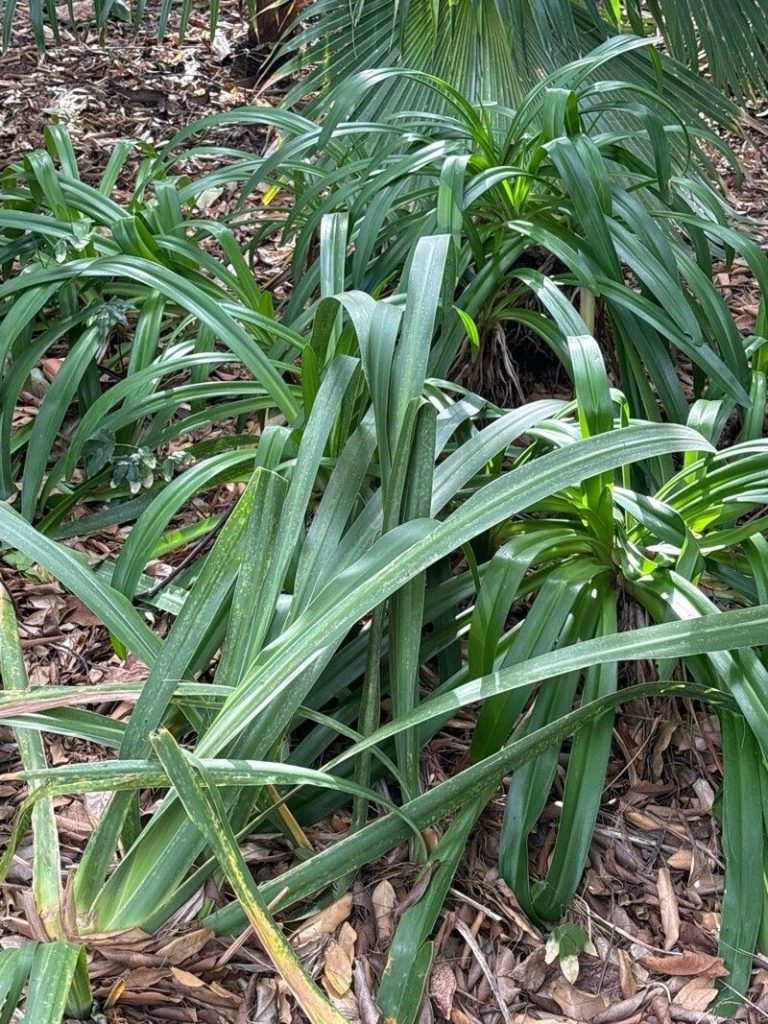
Propagating Dietes robinsoniana: The Challenges and Rewards of Growing Wild Iris
Dietes robinsoniana, commonly known as the Large Wild Iris or simply Wild Iris, is a striking and resilient perennial prized for its elegant, iris-like flowers and sword-like foliage. Its adaptability to various soil types and its relatively low maintenance requirements have contributed to its popularity amongst gardeners. However, propagating this beautiful plant presents unique challenges. Let’s explore the various methods available.
Seed Germination:
Currently, there are no known reliable methods for seed germination propagation of Dietes robinsoniana. While the plant does produce seed, its germination rate is exceptionally low, and consistent success has not been widely reported. The challenges appear to lie in the seed’s dormancy and potentially specific environmental conditions required for germination that remain poorly understood. Further research into specific stratification techniques or other pre-treatment methods might be necessary to unlock successful seed germination.
Cuttings:
Propagating Dietes robinsoniana from cuttings is also unreliable. Attempts using stem cuttings have yielded inconsistent results. The low success rate likely stems from the plant’s difficulty in rooting easily, requiring specific hormonal treatments and potentially specialized humidity and temperature controls that are challenging for home propagators to achieve consistently.
Division:
Division is the most reliable and commonly employed method for propagating Dietes robinsoniana. This method involves carefully separating mature clumps of the plant into smaller sections, each containing healthy roots and shoots.
Challenges: The ideal time for division is during spring or early autumn. Care must be taken to avoid damaging the rhizomes during separation. Proper handling and replanting are crucial for successful establishment.
Tips: Use a sharp, clean knife or spade. Ensure each division has a good root system and at least several healthy shoots. Plant the divisions at the same depth as the original clump, ensuring adequate spacing for future growth. Water thoroughly after planting.
Rewards: Division offers a relatively high success rate, providing a quick and efficient way to increase the number of plants. It also maintains the genetic characteristics of the parent plant.
Tissue Culture:
Tissue culture offers the potential for large-scale propagation of Dietes robinsoniana and might provide a way around the challenges of other propagation methods. However, this method requires a specialized laboratory setting and the expertise to handle sterile techniques and plant tissue growth media. It is generally not a feasible option for the average home gardener.
Challenges: Establishing a sterile environment, sourcing appropriate growth media, and possessing the knowledge of plant tissue culture protocols all contribute to the complexity and expense of this method.
Rewards: Large-scale clonal propagation, disease-free plants, and the potential to rapidly increase the number of plants are the main benefits.
Conclusion:
Propagating Dietes robinsoniana presents unique challenges across all methods. While seed germination and cuttings remain largely unreliable, division offers a practical and relatively successful approach for gardeners. Tissue culture provides a potential solution for large-scale propagation but remains out of reach for most home enthusiasts.
The satisfying reward of successfully cultivating this visually stunning plant makes the effort worthwhile. The joy of witnessing the elegant flowers unfurl from a plant you’ve propagated yourself far outweighs the difficulties encountered. Aspiring propagators are encouraged to start with division, mastering the techniques before potentially exploring the more challenging methods. Patience, meticulous attention to detail, and a willingness to learn from both successes and failures are key ingredients in achieving success with this beautiful Wild Iris.