
Taming the Tiny Foxglove: Propagating Digitalis parviflora
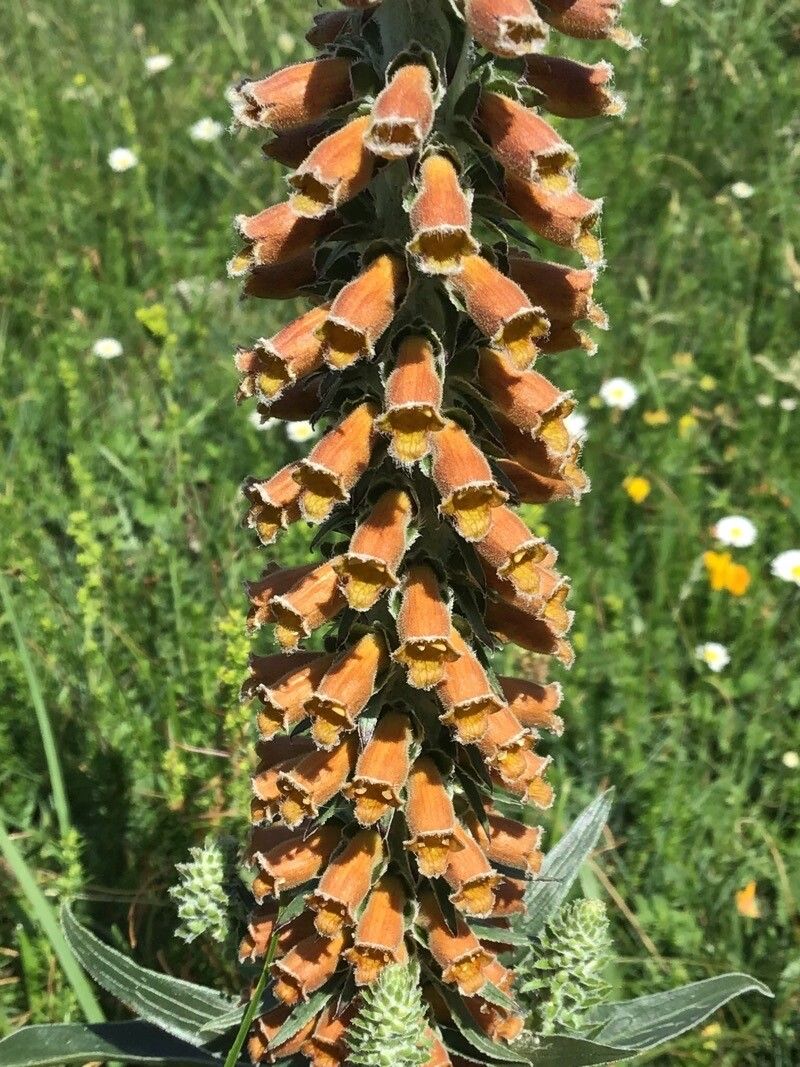
Digitalis parviflora, the lesser-known cousin of the common foxglove, is a captivating perennial with a charm all its own. While its name might suggest a diminutive presence, this species boasts tall, slender spires adorned with densely packed, bronze-tinged flowers throughout the summer. While striking in mass plantings, its subtle beauty shines in cottage gardens or naturalized areas. Ready to introduce this charming, low-maintenance beauty to your garden? Let’s explore how to propagate Digitalis parviflora successfully.
Two Paths to Propagation:
Digitalis parviflora can be propagated through two primary methods:
1. Seed Propagation:
- Sowing the Seeds: The best time to sow Digitalis parviflora seeds is in the spring or early fall. These seeds need light to germinate, so scatter them on the surface of a well-draining seed starting mix and press them lightly into the soil. Mist the soil gently and cover the tray with a plastic dome or humidity dome to maintain moisture.
- Germination Conditions: Place the tray in a bright location, out of direct sunlight, with temperatures between 65-75°F (18-24°C). Germination typically occurs within 2-4 weeks.
- Thinning and Transplanting: Once the seedlings develop their first set of true leaves, thin them out, leaving the strongest ones. When they have developed a robust root system and several sets of true leaves, they can be transplanted outdoors after the last frost.
- Direct Sowing: In warmer climates with milder winters, Digitalis parviflora can be directly sown outdoors in the fall. Scatter the seeds on prepared soil and lightly rake them in.
2. Division:
- When and How to Divide: Established clumps of Digitalis parviflora can be divided in spring or early fall. Divide the plant carefully, ensuring each division has a healthy portion of roots and shoots.
- Replanting: Replant the divisions at the same depth they were previously growing, water thoroughly, and provide adequate sunlight.
Essential Tips for Success:
No matter your chosen propagation method, these tips will increase your chances of success:
- Well-Draining Soil: Digitalis parviflora prefers well-draining soil that is rich in organic matter. Avoid heavy clay soils that can lead to root rot.
- Sunlight Requirements: While Digitalis parviflora enjoys full sun, it appreciates some afternoon shade, especially in hotter climates.
- Watering: Keep the soil evenly moist but avoid overwatering, as this can lead to root problems.
- Fertilizing: These plants are not heavy feeders. A light fertilization in the spring is usually sufficient.
- Pests and Diseases: Digitalis parviflora is generally pest and disease-free, though keeping an eye out for slugs and snails, especially for young plants, is advisable.
The Rewards of Growing Digitalis Parviflora:
Propagating Digitalis parviflora might require some patience, but the rewards are well worth the effort. Watching these elegant flowers emerge and sway gracefully in the summer breeze brings a touch of understated elegance to any garden. And with the ability to self-seed, Digitalis parviflora has the potential to become a beloved, long-lasting presence in your garden ecosystem. So why not embark on the journey of propagating this charming flower and discover the magic it holds?