
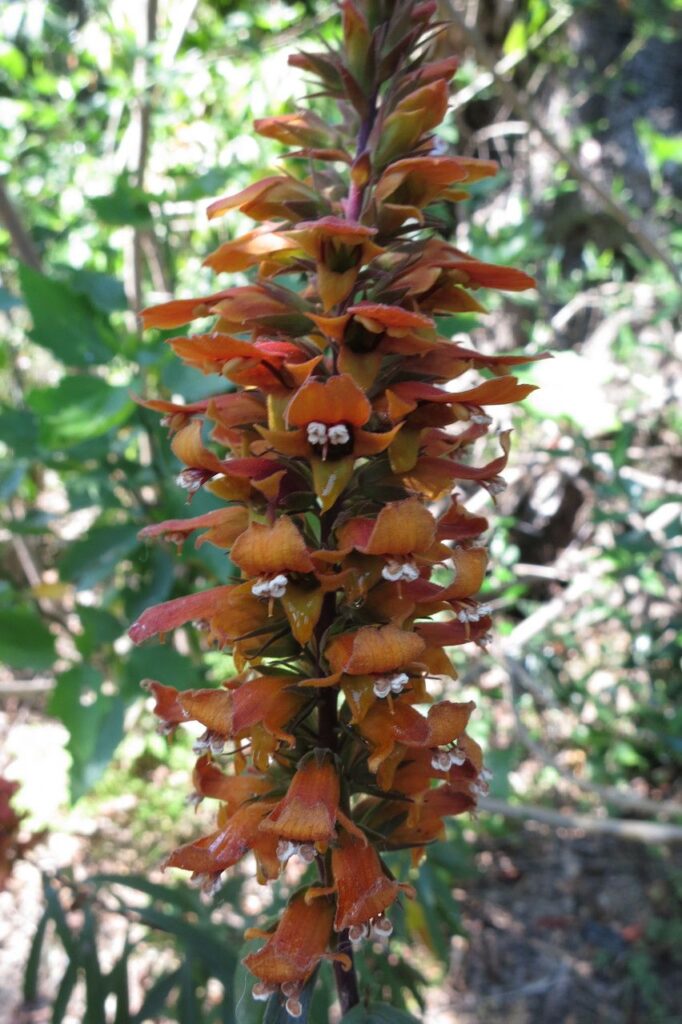
From Foxglove to Flower Power: Propagating Digitalis Sceptrum
The stately charm of “Digitalis sceptrum,” commonly known as the “foxglove,” has captivated gardeners for centuries. Its striking spires of bell-shaped flowers, boasting a spectrum of colors from deep purple to creamy white, add a touch of wild elegance to gardens. But what if you could experience the joy of growing these magnificent plants from seed or cuttings? That’s where propagation comes in.
This article will guide both beginners and experienced gardeners through the fascinating process of propagating “Digitalis sceptrum,” uncovering the secrets to successfully growing these beloved beauties from scratch.
Propagation Methods: Two Paths to Flower Power
For “Digitalis sceptrum,” two main propagation methods beckon: seeds and cuttings. Each has its own advantages and challenges, but each offers a unique approach to cultivating these stunning plants.
1. The Seed Saga: A Journey of Patience
- The Process: Starting from seed provides a satisfying sense of accomplishment. Gather fresh seeds from spent flower stalks in late summer or purchase them from a reputable nursery. Sow them in a well-draining seed starting mix in a tray or pot, barely covering them with soil. Maintain consistent moisture and warmth, and soon, tiny green seedlings will emerge.
- Pros: Seed propagation allows you to grow multiple plants from a small handful of seeds, potentially creating a captivating display. Additionally, you can experiment with different varieties and colors.
- Cons: Starting from seed demands patience and understanding. Germination can take several weeks, and the process requires careful monitoring and care. Additionally, “Digitalis sceptrum” grown from seed may take a couple of years to produce flowers.
2. The Cutting Craze: A Faster Approach
- The Process: For quicker results, consider propagation from cuttings. In early spring, take softwood cuttings (young, flexible stems) from healthy plants. Remove the bottom leaves and dip the cut ends in a rooting hormone. Insert the cuttings into a rooting medium like vermiculite or perlite and maintain a consistently moist environment.
- Pros: Cuttings are generally faster to develop into flowering plants than seedlings, typically blooming in the first year.
- Cons: Successfully rooting cuttings requires a bit more experience and meticulous care.
Tips for Success: Cultivating Your Digitalis Sceptrum
Regardless of the chosen propagation method, a few key tips can elevate your success:
- Location is Key: Choose a bright, well-ventilated location for your seeds or cuttings. They thrive in areas with partial shade.
- Moistness Matters: Maintain a consistent moisture level without overwatering to avoid root rot.
- Patience is Paramount: Keep in mind that “Digitalis sceptrum” is a biennial, meaning it takes two years after germination for the plant to flower.
The Rewards of Propagation: More than Just Flowers
The beauty of propagating “Digitalis sceptrum” goes beyond the stunning blooms. It fosters a connection with nature and cultivates a deeper understanding and appreciation for these magnificent plants. Whether you’re a seasoned gardener or just starting your journey, propagating “Digitalis sceptrum” is a rewarding experience that will bring a touch of magical charm to your garden for years to come.