
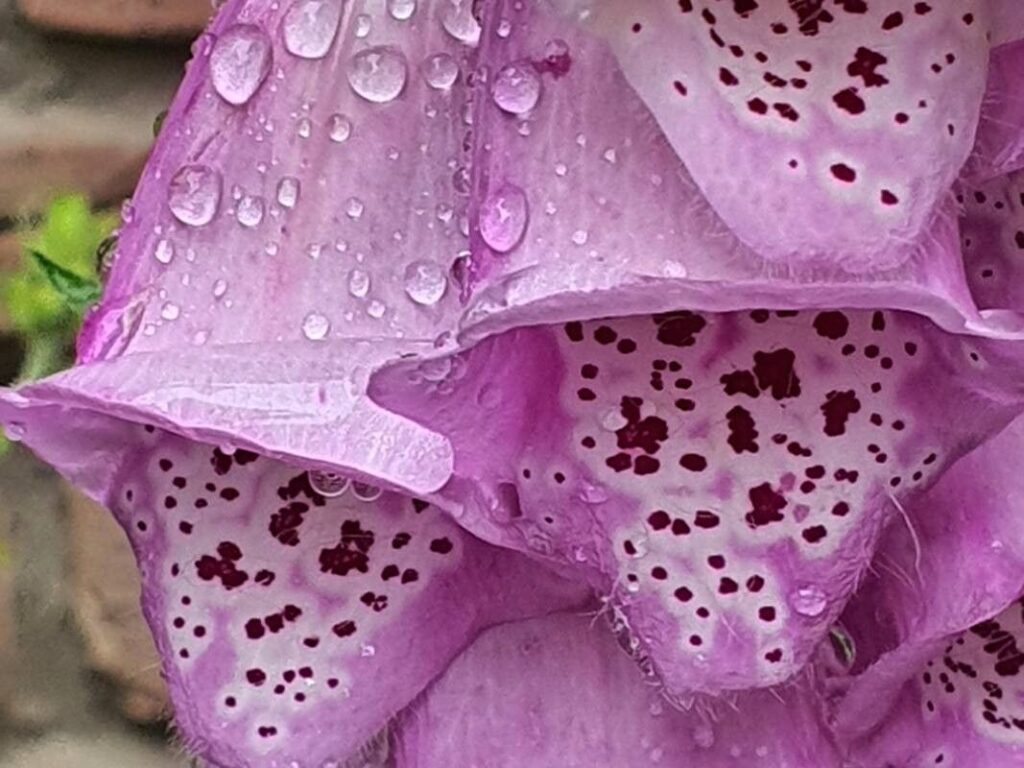
From Seeds to Spectacle: Propagating the Majestic Foxglove (Digitalis thapsi)
The Foxglove, with its dramatic spires of bell-shaped flowers, is a beloved garden staple. Its Latin name, Digitalis thapsi, evokes both beauty and caution, as this plant is known for its potent medicinal properties. But beyond its captivating blooms and intriguing history, the Foxglove offers a fascinating world of propagation, making it a rewarding plant to cultivate from scratch.
Seeds: The Gateway to a Foxglove Garden
The most common method of propagating Digitalis thapsi is from seed. These tiny specks of life hold the promise of vibrant blooms the following year. Here’s your guide to sowing success:
- Timing is Key: Sow Foxglove seeds directly in the garden in late spring or early summer, after the last frost. You can also start them indoors weeks before the last expected frost date.
- Preparing the Ground: Choose a location with partial shade and well-drained soil. Prepare the soil by loosening it with a garden fork and incorporating some compost for added nutrients.
- Sowing Seeds: Scatter the seeds thinly on the surface of the soil, gently pressing them in. Cover them lightly with a fine layer of soil or vermiculite.
- Watering and Care: Keep the soil consistently moist, but not soggy. Germination usually occurs within two to three weeks. Thin the seedlings to a spacing of 6-12 inches once they have developed their first two sets of true leaves.
Beyond Seeds: Exploring Other Methods
While seed propagation is the traditional route, there are other options to expand your Foxglove collection:
- Dividing Established Plants: In early spring or fall, you can divide mature Foxglove plants. This involves carefully separating the clumps and planting them individually.
- Root Cuttings: If you’re willing to experiment, you can try taking root cuttings in late summer or early fall. This method requires some practice, but can be successful with younger Foxglove plants.
Important Considerations:
- Foxgloves are biennials: This means they bloom in their second year of growth, producing stunning flower spikes before dying back. However, they self-seed readily, ensuring a continuous supply of new plants.
- Toxicity: Foxgloves are poisonous if ingested. Keep them away from children and pets, and always wear gloves when handling them.
- Variety Selection: Enjoy the diversity of Foxgloves with their range of colors, including purple, white, pink, and even yellow. Choose varieties that complement your garden’s aesthetic and your desired bloom time.
A Final Bloom:
Propagating Foxgloves is an engaging journey that brings you closer to the magic of nature. From nurturing tiny seeds to witnessing the majestic display of their flowers, the process offers a sense of accomplishment and satisfaction. So, embrace the challenge and let the beauty of Digitalis thapsi grace your garden for years to come.