
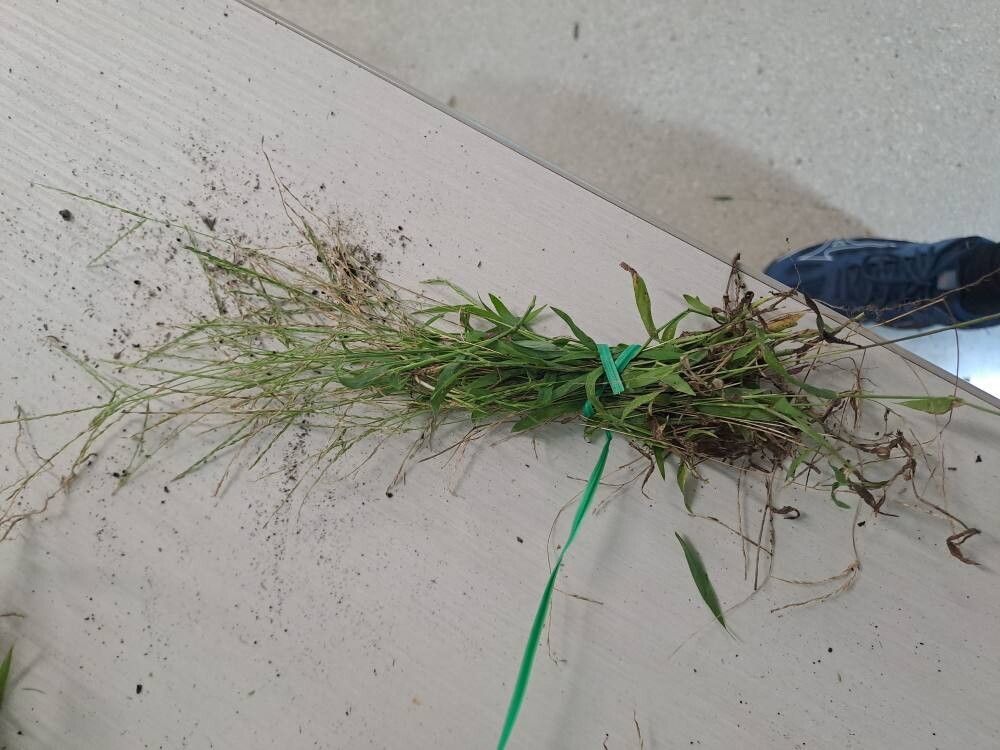
Taming the Two-Horned Crabgrass: Propagating Digitaria bicornis
Digitaria bicornis, more commonly known as the Two-Horned Crabgrass, might not be the first plant that comes to mind when you think “garden variety.” However, for those looking to explore the world of native grasses, this unassuming species offers unique beauty and ecological benefits. If you’re intrigued and want to welcome Digitaria bicornis into your garden, understanding its propagation is key.
Understanding the Two-Horned Crabgrass
Before diving into propagation, let’s get acquainted with this fascinating grass. Native to North America, Digitaria bicornis graces grasslands, open woods, and disturbed areas with its delicate, branching seed heads resembling tiny horns – hence the common name. While some might mistake it for a weed, this annual grass plays a crucial role in preventing erosion and providing food for small animals.
Propagation: Seeds vs. Division
While Digitaria bicornis can spread through self-seeding, you can take a more proactive approach for controlled propagation. You have two main options:
This method reflects the natural life cycle of Digitaria bicornis.
- Collecting Seeds: In late summer or early fall, watch for the seed heads to turn golden brown. Snip them off and collect the small, dark brown seeds.
- Sowing Seeds: You can sow seeds directly outdoors in fall or start them indoors in late winter. Choose a well-drained soil and press the seeds lightly onto the surface, as they need light to germinate.
- Patience is Key: Germination can take anywhere from a few weeks to a few months. Keep the soil consistently moist but not waterlogged.
- Division:
For a faster and easier method, division is a viable option.
- When to Divide: Spring is the ideal time to divide established Digitaria bicornis clumps.
- The Process: Gently dig up a clump and use a sharp knife or garden spade to separate it into smaller sections, each with a good root system.
- Transplanting: Replant the divisions immediately, spacing them according to the desired density. Water thoroughly to help them establish themselves.
Tips for Success
- Sunlight: Digitaria bicornis thrives in full sun to partial shade. Choose a location that receives at least 4-6 hours of sunlight daily.
- Soil: While adaptable, this grass prefers well-drained soil. Amending heavy clay soil with compost can improve drainage.
- Watering: Once established, Digitaria bicornis is relatively drought-tolerant. However, regular watering during its first growing season helps establish a strong root system.
- Maintenance: This low-maintenance grass requires minimal care. Cut it back in late winter or early spring before new growth emerges.
Adding Beauty and Sustainability to Your Space
Propagating Digitaria bicornis might seem unconventional, but it’s a rewarding experience for plant enthusiasts and those looking to incorporate native species into their landscapes. Don’t let the “crabgrass” name deter you. This delicate, resilient grass offers unique aesthetic appeal and contributes to a healthy, biodiverse ecosystem.