
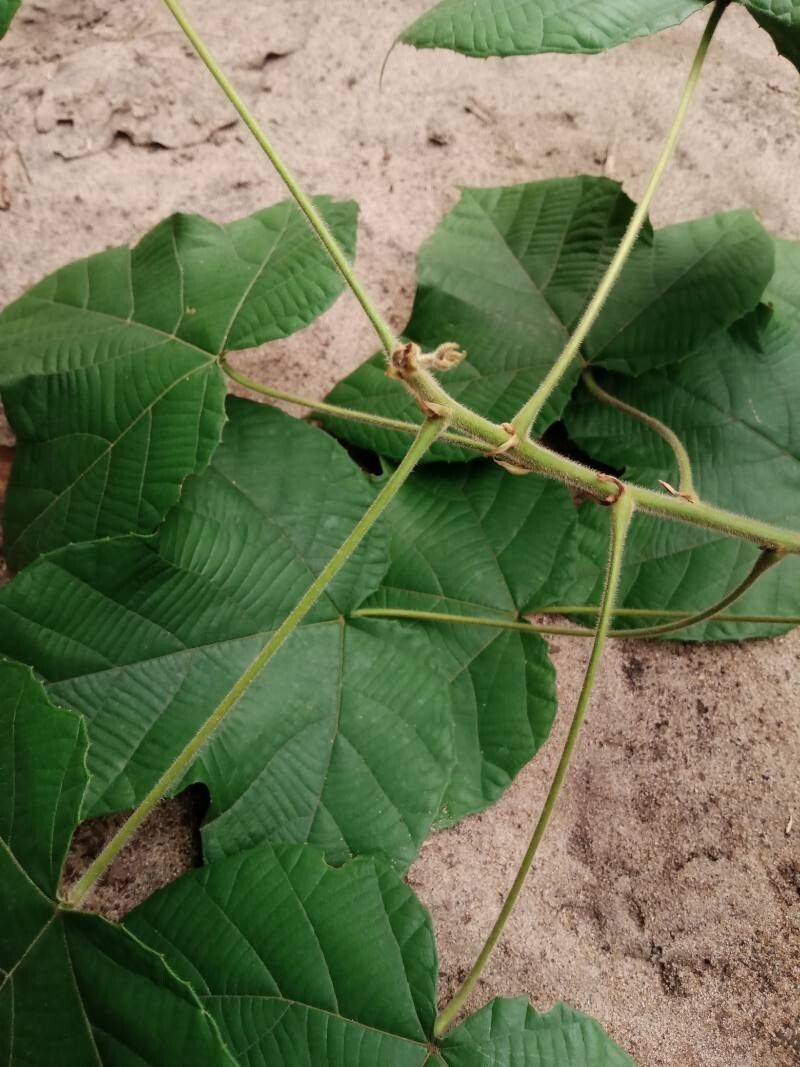
Unveiling the Mystery: Propagating the Intriguing Macaranga saccifera
The plant world is a treasure trove of fascinating species, each with its own story and secrets. Today, we’re venturing into the captivating realm of Macaranga saccifera, a tropical marvel with intriguing features. While information about propagating this unique plant is scarce, we’ll delve into possible methods based on its characteristics and what we know about similar species within the Macaranga genus.
Macaranga saccifera, like its relatives, belongs to the Euphorbiaceae family. Native to Southeast Asia, this pioneer species is known for its rapid growth and fascinating symbiotic relationship with ants. Its large, shield-shaped leaves with prominent veins are a sight to behold, making it a desirable addition to tropical gardens or greenhouses.
So, how can one multiply this botanical wonder? While specific information on Macaranga saccifera propagation is limited, successful propagation of other Macaranga species offers valuable insights. Let’s explore the two most promising methods:
1. Seed Propagation:
- Seed Collection: Collecting viable seeds is the first step. Look for mature, dry capsules on the plant. Gently crush the capsules to release the seeds.
- Seed Preparation: Like many tropical species, Macaranga seeds might benefit from pre-sowing treatment. Soaking the seeds in warm water for 24 hours can help soften the outer coat and improve germination rates.
- Sowing: Use a well-draining seed starting mix and sow the seeds shallowly. Mist the medium regularly, ensuring consistent moisture but not waterlogging.
- Environment: Maintain a warm and humid environment for optimal germination. A heat mat can be beneficial, along with covering the seed tray with a plastic dome to retain moisture.
- Patience: Germination times can vary significantly. Be patient and continue providing consistent care for several weeks.
2. Stem Cuttings:
- Timing is Key: Take cuttings during the active growing season, ideally in spring or early summer, when the plant is actively putting out new growth.
- Selecting Cuttings: Choose healthy stems that are around 4-6 inches long. Look for sections with nodes, as these are the points where roots will develop.
- Preparing the Cuttings: Remove the leaves from the lower portion of the cutting, leaving only 2-3 leaves at the top. This minimizes water loss and encourages root development.
- Rooting Hormone (Optional): While not always necessary, dipping the cut end in rooting hormone powder can enhance root development.
- Planting the Cuttings: Use a well-draining potting mix and insert the cuttings, ensuring the nodes are buried. Water thoroughly.
- Maintaining Humidity: Similar to seed propagation, maintain a humid environment. A humidity dome or enclosing the pot in a clear plastic bag can be beneficial.
Important Considerations:
- Light: While mature Macaranga saccifera plants tolerate full sun, young seedlings and cuttings prefer bright, indirect light.
- Water: Maintain consistently moist but not soggy soil. Overwatering can lead to root rot.
- Patience and Observation: Propagation can be a rewarding but sometimes challenging process. Don’t be discouraged if the first attempt isn’t successful. Pay close attention to your plants, adjust your methods as needed, and learn with each attempt.
Propagating Macaranga saccifera might require a touch of experimentation and a dash of patience. However, the satisfaction of nurturing this botanical marvel from seed or cutting, watching it unfurl its unique leaves and thrive, makes the journey truly worthwhile.