Propagating the Smooth Dillenia: A Gardener’s Guide to Dillenia ovata
Introduction
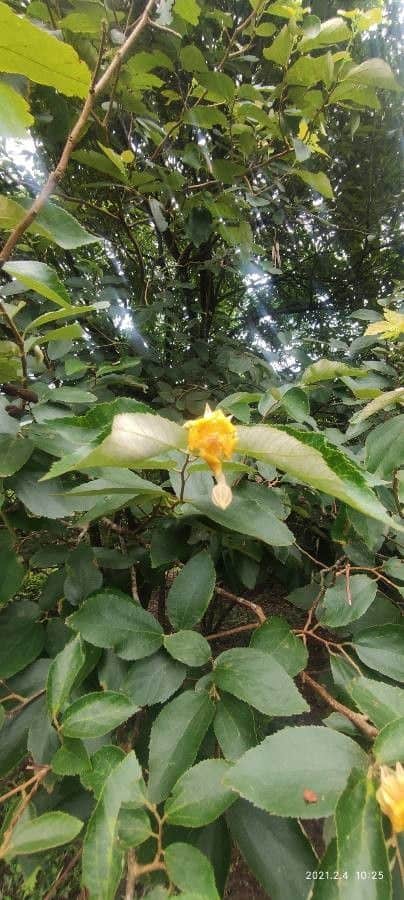
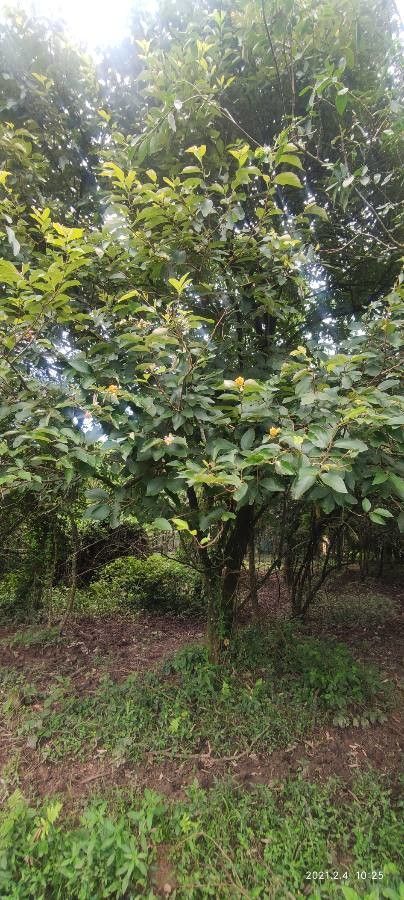
Dillenia ovata, commonly known as the smooth dillenia or elephant apple, is a captivating evergreen shrub or small tree prized for its glossy, leathery leaves and striking, large, creamy-white flowers. Its horticultural significance lies in its attractive foliage and showy blooms, making it a desirable addition to tropical and subtropical gardens. While not as widely cultivated as some other plants, its unique beauty and relative rarity make propagating Dillenia ovata a rewarding, albeit challenging, endeavor for keen gardeners. The difficulty in propagation contributes to its relative scarcity, adding to its allure.
Seed Germination
Seed germination for Dillenia ovata presents significant challenges. While seeds are produced, their viability is often low, and germination rates are notoriously poor. The seed coat may be particularly resistant to imbibition.
Challenges: Low germination rates, dormant seeds requiring potentially lengthy periods of stratification or pre-treatment, susceptibility to fungal diseases during germination.
Practical Tips: While success is not guaranteed, attempting scarification (slightly nicking the seed coat) followed by stratification (a period of cold, moist storage – for example, 3 months at 4°C) might improve germination chances. Sowing should be done in a well-drained, moist seed-starting mix. High humidity and warm temperatures (around 25°C) are crucial. Consistent moisture is key without overwatering, leading to rotting.
Rewards: Should germination be successful, it offers a unique opportunity to obtain genetically diverse plants, which is a significant advantage, particularly for large-scale propagation projects aimed at conservation or commercial production.
Cuttings
Propagation via cuttings is a more promising method than seed germination for Dillenia ovata.
Challenges: The success of cuttings depends heavily on factors like the age and physiological state of the parent plant, the type of cutting (e.g., hardwood vs. softwood), the rooting medium, humidity levels, and the application of rooting hormones.
Practical Tips: Semi-hardwood cuttings taken in late spring or early summer, treated with a rooting hormone, and planted in a well-draining mix under high humidity (using a propagator or humidity dome) are generally recommended. Careful misting is essential to maintain moisture.
Rewards: Cuttings offer a more reliable way to propagate selected cultivars and ensure the propagation of desirable traits. It also offers a faster method of producing plants than seed germination.
Division
Division is generally not a practical method for propagating Dillenia ovata as it is not a plant that naturally produces readily separable offshoots or suckers.
Challenges: Lack of natural division capability makes this method largely infeasible.
Practical Tips: Not applicable.
Rewards: Not applicable.
Tissue Culture
Tissue culture offers potentially the most reliable and efficient method of propagation for Dillenia ovata, especially for large-scale cultivation.
Challenges: Tissue culture requires specialized equipment, a sterile environment, and expertise in plant tissue culture techniques. This is the most expensive method and may require access to a laboratory setting.
Practical Tips: Sterile techniques are vital to prevent contamination. Appropriate media formulations must be carefully selected and monitored.
Rewards: Tissue culture offers the ability to rapidly produce large numbers of genetically uniform plants from a single explant (a small piece of plant tissue), ensuring consistent quality and enabling mass production of desirable cultivars.
Conclusion
Propagating Dillenia ovata presents a spectrum of challenges, ranging from low seed viability to the technical demands of tissue culture. While seed germination offers genetic diversity but low success rates, cuttings provide a more reliable although potentially slower path to propagation. Division is generally not a viable option. Tissue culture, while demanding and expensive, offers the greatest potential for mass propagation. The inherent difficulties, however, add to the profound satisfaction achieved when successfully cultivating this unique plant. The persistence and attention to detail required will be amply rewarded by the beauty and rarity of the resulting plants. Aspiring propagators should consider starting with cuttings and, if resources allow, explore the potential of tissue culture for optimal results. Do not be deterred by initial setbacks – the rewards of growing this beautiful plant are well worth the effort.