
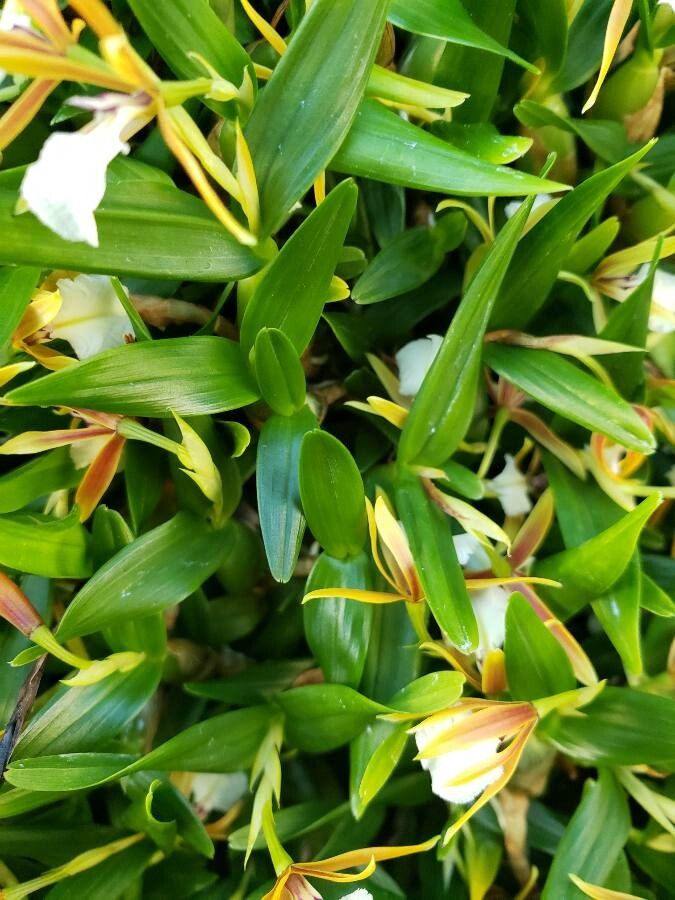
Untangling the Secrets of Dinema Polybulbon Propagation: A Beginner’s Guide
The “Dinema polybulbon,” also lovingly referred to as the “Bean Orchid” due to its plump, bean-shaped pseudobulbs, is a charming miniature orchid that has captured the hearts of many plant enthusiasts. Its delicate, fragrant blooms and manageable size make it an attractive addition to any collection. But what about expanding your Bean Orchid family? That’s where propagation comes in! Let’s demystify the process and equip you with the knowledge to propagate your own Dinema polybulbon.
Understanding the Basics
Before we dive into the methods, let’s understand how Dinema polybulbon naturally multiplies. This orchid primarily propagates through division, meaning it expands by producing new growths or “plantlets” along its rhizome. Each plantlet has the potential to become an independent orchid with proper care and a little patience.
Methods for Success
-
Division: This is the most common and generally easiest method for propagating Dinema polybulbon.
- Timing: The ideal time is during spring or early summer, when the plant is actively growing.
- Preparation: Ensure your tools (sharp, sterilized scissors or shears) and your potting mix (a well-draining orchid mix) are ready.
- Dividing the Rhizome: Gently remove the orchid from its pot and carefully inspect the rhizome. Look for sections with at least 3-4 healthy pseudobulbs. Using your sterilized tool, cut the rhizome cleanly, ensuring each division has a good root system.
- Potting: Plant each division in its own appropriately sized pot, ensuring the pseudobulbs are slightly above the soil line. Water lightly and place in a warm, humid location.
- Backbulbs: Backbulbs are older, leafless pseudobulbs that can potentially sprout new growths. While this method takes a bit longer and isn’t as reliable as division, it can be worth a shot!
- Selection: Identify a healthy backbulb and carefully detach it from the main plant.
- Potting: Place the backbulb on top of a moist, sphagnum moss medium in a small pot. Ensure good airflow and maintain a humid environment.
- Patience: It might take several months for new growth to emerge. Keep the moss consistently moist (not soggy) and provide bright, indirect light.
Caring for Your New Propagations
Treat your newly propagated Dinema polybulbon with the same care as a mature plant:
- Light: Bright, indirect light is ideal. Avoid direct sunlight, which can scorch the leaves.
- Water: Water thoroughly when the potting mix approaches dryness. Dinema polybulbons prefer slightly higher humidity, so consider using a pebble tray or humidifier.
- Fertilizer: Use a diluted orchid fertilizer every other week during the growing season (spring and summer).
- Patience: Remember, these tiny orchids need time to establish themselves. Be patient and consistent with their care, and you’ll be rewarded with beautiful, thriving Dinema polybulbons in no time.
Propagating your own Dinema polybulbon might seem daunting, but it’s a rewarding experience that allows you to expand your plant collection and share the joy of these charming orchids with others. So, don your gardening gloves, gather your supplies, and embark on this exciting journey of propagation!