
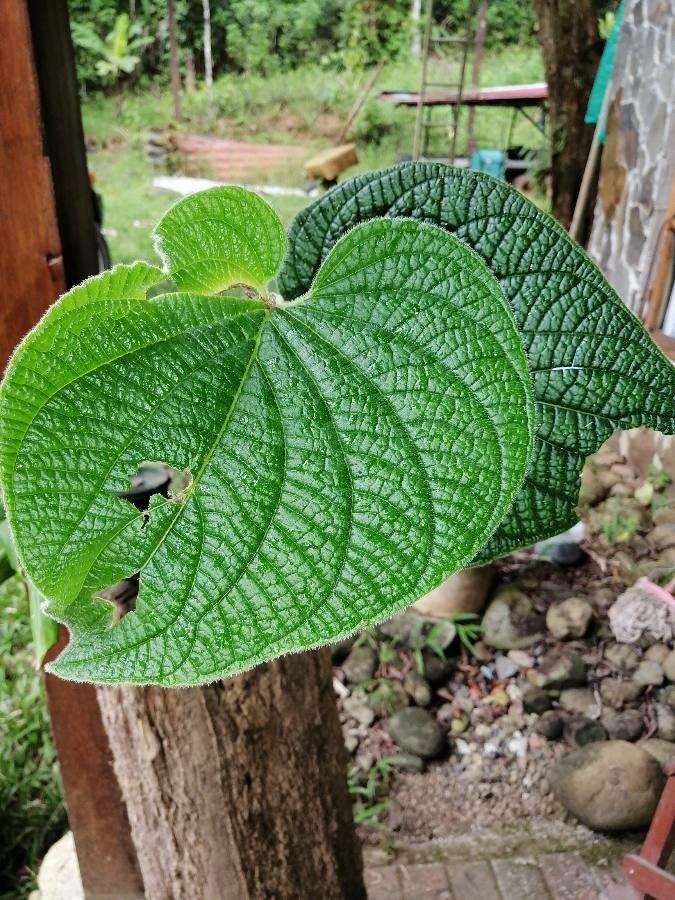
Propagating Dioscorea hondurensis: A Gardener’s Challenge
Dioscorea hondurensis, also known as the Honduran yam, is a climbing vine belonging to the Dioscoreaceae family. This relatively rare species is prized among collectors for its attractive foliage and potential for unique growth habits, though its horticultural significance remains limited due to its restricted availability and propagation challenges. Its relative scarcity among cultivated yam species adds to its allure for those seeking unusual and challenging plants.
Seed Germination:
Currently, there are no known reliable methods for seed germination propagation of Dioscorea hondurensis. The species may have low seed viability, dormancy issues, or specific germination requirements yet to be identified by horticultural research. Further research into its reproductive biology is needed to determine if seed propagation could become a viable option.
Cuttings:
Cuttings offer a more promising approach to propagating Dioscorea hondurensis. However, challenges remain.
Challenges: The success rate can be low due to the susceptibility of cuttings to fungal diseases and their need for high humidity and warmth. The relatively slow rooting process also requires patience.
Practical Tips: Take semi-hardwood cuttings in late spring or early summer. Use a rooting hormone to increase success chances. Propagate in a well-draining potting mix under high humidity using a propagation dome or plastic bag to maintain moisture. Maintain a warm temperature (around 25°C). Bottom heat can speed up the rooting process.
Rewards: Cuttings provide a quicker way to increase the number of plants than division, and they retain the genetic characteristics of the mother plant.
Division:
Dividing established Dioscorea hondurensis plants is a practical method, especially for smaller collections.
Challenges: This method is limited by the availability of mature plants large enough to be divided. Care must be taken during the division process to avoid damaging the roots and rhizomes, which can lead to plant failure.
Practical Tips: Divide the plant in early spring or late autumn when the plant is dormant or entering a dormant phase. Ensure each division has a healthy portion of the rhizome and several healthy active buds. Plant the divisions immediately into well-drained soil and water gently.
Rewards: Division is a relatively simple and reliable method that tends to result in a higher success rate compared to cuttings, given careful handling. It is a good way to increase the number of plants quickly without needing specialized equipment or techniques.
Tissue Culture:
Tissue culture presents a potential solution for large-scale propagation and the preservation of genetic material, especially valuable for a relatively rare species.
Challenges: Tissue culture techniques often require specialized equipment, laboratory facilities, and expertise. Sterilization and contamination prevention are crucial stages which require aseptic conditions. Optimizing media composition for growth and shoot multiplication specific for Dioscorea hondurensis might need some experimentation.
Practical Tips: Consult with specialists in plant tissue culture for guidance. Sterile techniques are essential to prevent microbial contamination throughout the procedure.
Rewards: Tissue culture allows for rapid multiplication of plantlets, and it’s the best bet for large-scale propagation, preserving valuable genotypes and ensuring healthy disease-free plants.
Conclusion:
Propagating Dioscorea hondurensis presents a unique set of challenges. While seed propagation is currently not a viable option, cuttings and division offer practical alternatives, but success requires patience and attention to detail. Tissue culture holds the greatest promise for mass propagation, though it demands specialized skills and resources. The rewards, however, are significant: the satisfaction of successfully cultivating this intriguing species, adding to its conservation, and sharing it with other plant enthusiasts is richly satisfying. Embrace the challenge; the unique beauty and rarity of Dioscorea hondurensis make the effort worthwhile. Remember to start small, be patient, and learn from each attempt, and eventually you will enjoy the fruits of your labor.