
Propagating Dioscorea preussii: A Gardener’s Guide to a Challenging Yet Rewarding Vine
Introduction:
Dioscorea preussii, also known as the African yam or sometimes simply as a climbing yam, is a vigorous climbing plant belonging to the Dioscoreaceae family. Characterized by its heart-shaped leaves and edible tubers, it holds significant horticultural interest, particularly for its aesthetic value and potential ethnobotanical uses. While not as widely cultivated as some other yam species, its unique appearance and resilience have gained it a following among dedicated gardeners. However, propagating Dioscorea preussii presents unique challenges, warranting a detailed exploration of various methods.
Seed Germination:
Currently, there are no known reliable methods for seed germination propagation of Dioscorea preussii. Although the plant produces seeds, their viability and germination rate are reportedly extremely low, rendering seed propagation impractical for most gardeners. Further research into specific germination requirements may be necessary to unlock this potential propagation method.
Cuttings:
1. Viability: Vegetative propagation through stem cuttings offers a more promising avenue for propagating Dioscorea preussii.
2. Practical Tips: Take semi-hardwood cuttings in late summer or early autumn. Cuttings should be approximately 10-15 cm long, with at least two nodes. Remove lower leaves to reduce water loss and dip the cut ends in a rooting hormone to encourage root development. Plant the cuttings in a well-draining propagation mix, keeping the environment humid and warm (around 20-25°C). A propagation chamber or covering with a plastic bag can help maintain humidity.
3. Rewards and Challenges: The reward is the relatively quick establishment of new plants genetically identical to the mother plant. However, challenges include maintaining appropriate humidity levels and preventing fungal diseases during the rooting process. Success rates may vary depending on factors like the age and health of the mother plant and the environmental conditions.
Division:
1. Viability: Dividing established tubers is a highly effective method for propagating Dioscorea preussii.
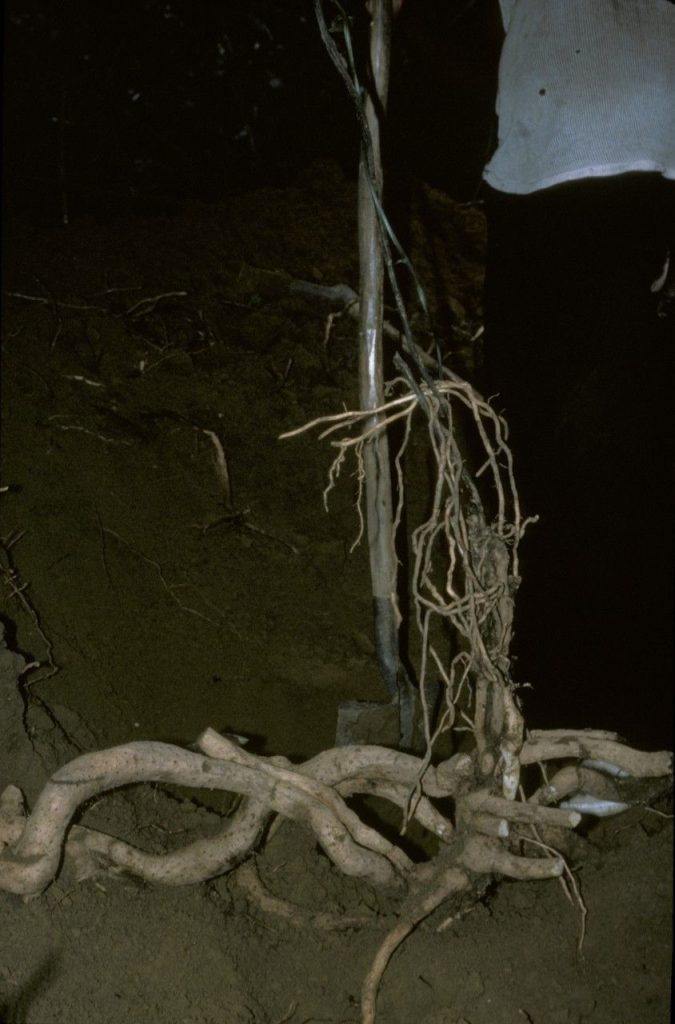
2. Practical Tips: The best time to divide the tubers is during dormancy (usually late autumn or winter). Carefully excavate the mature tuber, ensuring minimal damage to the root system. Divide the tuber into sections, each containing at least one healthy growth bud ("eye"). Ensure each section has some root material attached. Replant the divisions at the same depth as the original tuber, in well-drained soil.
3. Rewards and Challenges: This method ensures high success rates and relatively quick establishment of new plants. However, it relies on having a mature and substantial parent plant. Care must be taken during excavation to avoid damaging the tubers. Over-division can weaken the parent plant, negatively affecting its future growth.
Tissue Culture:
1. Viability: Tissue culture presents the possibility for large-scale propagation of Dioscorea preussii, potentially overcoming the limitations of other methods.
2. Practical Tips: This method requires specialized equipment and aseptic techniques. Explant selection (from actively growing shoots or nodal segments), media composition (containing specific nutrients and plant growth regulators), and environmental control are crucial for successful tissue culture. This is best undertaken by specialists in plant tissue culture laboratories.
3. Rewards and Challenges: Tissue culture offers the potential for rapid and large-scale propagation, disease-free plantlets, and genetic uniformity. However, it requires sophisticated laboratory facilities, specialized knowledge, and a significant investment of time and resources.
Conclusion:
Propagating Dioscorea preussii presents a unique set of challenges, with seed germination proving unreliable. While cuttings and tuber division offer viable methods for the home gardener, tissue culture represents a more advanced route to mass propagation. The rewards – the satisfying cultivation of this fascinating plant, its beautiful foliage, and the potential for edible tubers – are compelling, justifying the effort involved. Aspiring propagators should carefully consider their resources and capabilities before selecting a method, remembering that patience and careful observation are crucial for success with this rewarding, yet challenging, vine.