
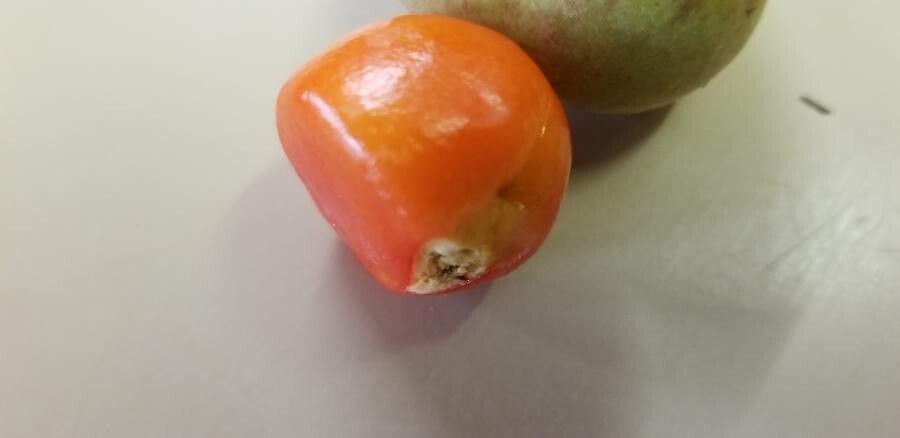
Taming the Native Tamarind: Propagating Diploglottis australis
The Diploglottis australis, more commonly known as the Native Tamarind, is a rainforest giant with a lot to offer. Towering over gardens with its lush, tropical foliage and producing clusters of delectable fruit, it’s a favourite for attracting native wildlife. If you’re looking to welcome this majestic tree into your garden, understanding its propagation is key.
This isn’t a species you’ll typically find at your local nursery. Propagating Diploglottis australis requires patience and a bit of know-how, but the rewards of nurturing this rainforest treasure are well worth the effort.
Two Paths to Propagation
You have two main options when propagating Native Tamarind: seed propagation and propagation from cuttings:
1. Seed Propagation: A Test of Patience
- The Long Game: Seed propagation is the most common method but requires a considerable waiting game. Fresh seeds offer the highest chance of success.
- Fruitful Endeavors: Source seeds from ripe, freshly fallen fruit. Remove the fleshy aril surrounding the seed, as it contains germination inhibitors.
- The Soak Test: Soak seeds in warm water for 24 hours. Discard any floaters, as they are likely not viable.
- Sowing the Seed: Plant seeds about 2 cm deep in a well-draining seed-raising mix. Keep the soil consistently moist but not waterlogged.
- Patience is Key: Germination can be erratic, taking anywhere from a few months to a year or more.
2. Propagation from Cuttings: A Quicker Route
- Timing is Everything: Take semi-hardwood cuttings in late spring or early summer when the plant is actively growing.
- Cut with Care: Select healthy stems, approximately 10-15cm long. Make a clean cut just below a leaf node.
- Hormone Help: Dip the cut end in rooting hormone to encourage root development.
- Creating the Ideal Environment: Plant cuttings in a well-draining potting mix. A warm, humid environment with indirect sunlight is ideal.
- Rooting Success: It can take several weeks for roots to establish. Once the cutting shows new growth, you’ll know it has successfully rooted.
Nurturing Your Native Tamarind
Regardless of your chosen propagation method, remember these care tips:
- Sun & Shade: Diploglottis australis thrives in a position with dappled shade or morning sun and afternoon shade.
- Well-Drained Soil: Choose a location with well-drained soil, as these trees are susceptible to root rot.
- Water Wisely: Water regularly, especially during the first few years, but avoid overwatering.
- Patience is a Virtue: It can take several years for your Native Tamarind to bear fruit, but the wait is worthwhile.
Growing your own Diploglottis australis is a rewarding experience for any plant enthusiast. While it demands patience and care, watching this rainforest giant flourish under your watchful eye is an achievement to be proud of. So, why not embark on this rewarding journey and welcome the beauty of the Native Tamarind into your own backyard?