
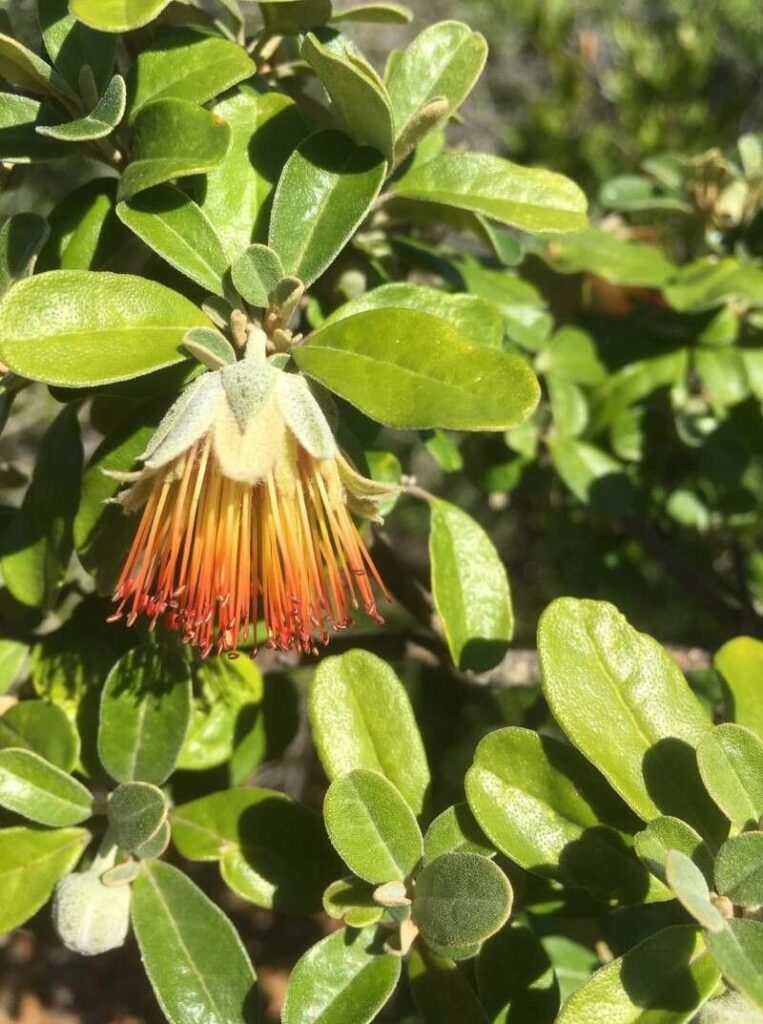
Taming the Wildflower: Propagating the Stunning Diplolaena Dampieri
The Diplolaena Dampieri, with its fiery red blooms reminiscent of miniature fireworks, is a showstopper in any garden. Native to Western Australia, this striking plant, sometimes called the “Cut-leaf Firebush” or “Dampier’s Diplolaena”, adds a touch of exotic beauty with its delicate, cut foliage and vibrant floral displays. While readily available in nurseries, wouldn’t it be even more rewarding to propagate your own Diplolaena Dampieri?
This might seem like a challenge fit for green-thumbed experts, but fear not! Propagating Diplolaena Dampieri, while requiring a bit of finesse, is achievable for gardeners of all levels. Let’s explore the two main methods:
1. Seed Starting: A Journey of Patience and Reward
Propagating from seed offers a sense of accomplishment and allows you to witness the entire lifecycle of your plant. However, it requires patience, as Diplolaena Dampieri seeds can be slow to germinate.
- Timing is Key: Sow seeds in late winter or early spring.
- Seed Treatment: These tough seeds benefit from a little encouragement. Soak them in warm water for 24 hours before sowing, gently nicking the seed coat with a nail file can also help with water absorption.
- Sowing the Seeds: Use a well-draining seed raising mix and sow seeds shallowly, barely covering them with the mix. Mist gently and keep consistently moist, but not waterlogged.
- Patience, Young Padawan: Germination can take anywhere from a few weeks to a few months. Placing the seed tray in a warm, brightly lit location (but out of direct sunlight) will encourage sprouting.
2. Cutting Edge Propagation: A Faster Route to Success
For quicker results, propagating Diplolaena Dampieri from cuttings is the way to go. This method allows you to create a genetically identical copy of your parent plant.
- When to Take Cuttings: The ideal time is in late spring or early summer, when the plant is actively growing.
- Selecting the Right Cuttings: Choose healthy, non-flowering stems that are around 10-15 cm long. Using clean, sharp secateurs, make the cut just below a leaf node.
- Preparing the Cuttings: Remove the lower leaves from the cutting, leaving only a few at the top. Dip the cut end in rooting hormone (this isn’t essential but can greatly improve success).
- Planting and Conditions: Plant the cuttings in a pot filled with a well-draining potting mix, burying the leaf nodes. Water gently and cover the pot with a clear plastic bag or a propagation dome to maintain high humidity. Place in a bright location out of direct sunlight.
- Rooting and Growth: Within a few weeks, your cuttings should start developing roots. Once you see new growth, you can gradually acclimate them to normal humidity levels before repotting.
Caring for your Newly Propagated Diplolaena Dampieri:
Regardless of your chosen propagation method, young Diplolaena Dampieri benefit from well-draining soil and a sunny location with some protection from harsh afternoon sun. Water regularly, especially during dry periods, but avoid overwatering, as this can lead to root rot. Fertilize lightly during the growing season with a native plant fertilizer.
Propagating your own Diplolaena Dampieri is a rewarding experience that allows you to enjoy the striking beauty of this Australian native in your own backyard. With a little patience and care, you can master these techniques and enjoy a bountiful display of these fiery blooms for years to come!