
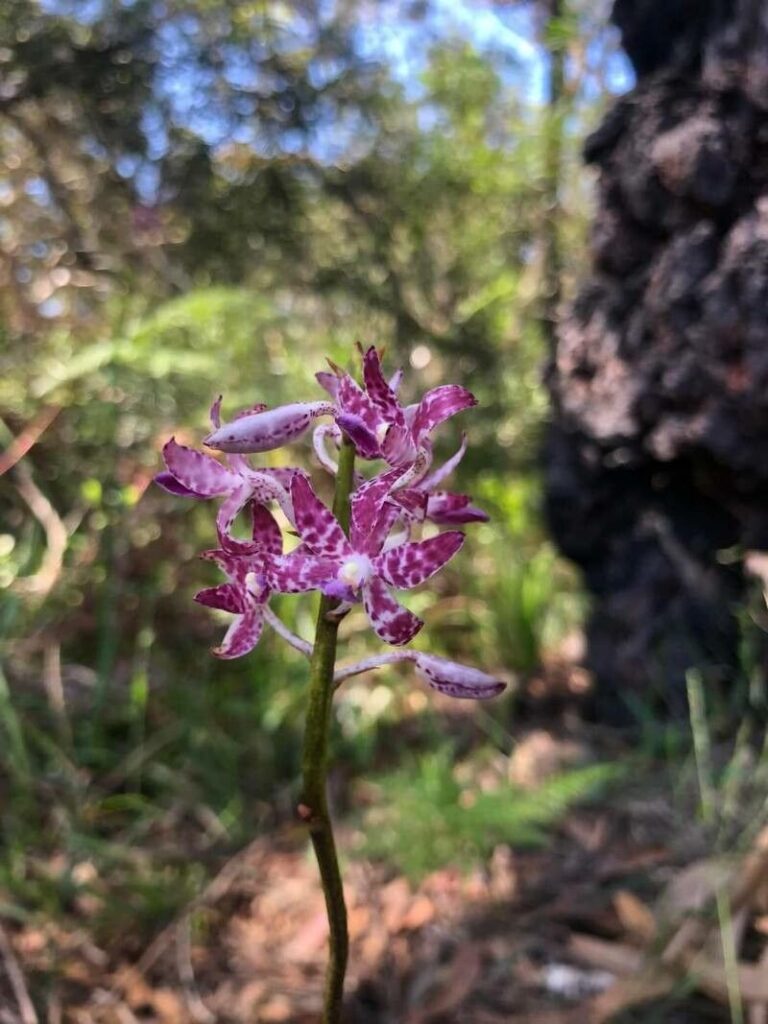
Unlocking the Secrets: Propagating the Enigmatic Dipodium squamatum
The Dipodium squamatum, commonly known as the Hyacinth Orchid, is a captivating species renowned for its tall, elegant stems adorned with intricate, hyacinth-scented flowers. Unlike most orchids, this terrestrial beauty doesn’t cling to trees but instead, draws sustenance from the earth, adding to its mystique. Propagating Dipodium squamatum has long been considered a challenge, often shrouded in mystery and whispered rumors amongst orchid enthusiasts. But fear not, fellow nature lovers, for we are about to demystify the process!
The Symbiotic Relationship: Key to Propagation:
To understand Dipodium squamatum propagation, we must first delve into its unique relationship with mycorrhizal fungi. These fungi form a symbiotic partnership with the orchid’s root system. The fungi provide the orchid with essential nutrients, while the orchid, in turn, provides sugars produced through photosynthesis.
Therefore, successful propagation hinges on replicating this delicate balance. Trying to grow Dipodium squamatum without its fungal partner is akin to trying to bake a cake without flour – impossible!
Two Paths to Propagation:
1. Seed Germination:
As tempting as it might be to collect the beautiful seed pods from a Dipodium squamatum, germinating them at home is incredibly difficult. It requires replicating the specific fungal environment present in the wild and is best left to experienced growers or laboratories.
2. Division:
This method offers a more achievable option for propagating your Dipodium squamatum. Here’s how:
- Timing is Key: The best time for division is during the active growing season, typically spring or early summer.
- Careful Excavation: Gently unearth the plant, ensuring minimal disturbance to the root system. Remember, the delicate fungal network resides there!
- Division with Precision: Using a sharp, sterilized knife or shears, carefully separate the rhizome (the underground stem) into sections. Ensure each division has at least 3-4 healthy pseudobulbs (swollen stem sections).
- Repotting: Prepare a well-draining potting mix mimicking the orchid’s natural environment. A mix of bark chips, perlite, and peat moss can work well. Plant the divisions at the same depth they were originally growing.
- Patience is a Virtue: Keep the newly potted divisions in a warm, shaded location and maintain consistent moisture. Avoid overwatering, as this can damage the fungal network.
Nurturing Success:
Propagating Dipodium squamatum is a waiting game. It might take several months for new growth to appear. Ensure you provide the optimal environment:
- Bright, Indirect Light: Mimic the dappled sunlight it receives in its natural habitat.
- Humidity: Aim for around 50-70% humidity. Regular misting or a humidity tray can be beneficial.
- Avoid Disturbance: Once potted, avoid repotting or disturbing the plant unnecessarily. This allows the symbiotic relationship with the fungi to re-establish.
While propagating Dipodium squamatum presents its challenges, the reward of seeing this stunning orchid flourish under your care is truly priceless. Remember, patience, observation, and a deep respect for the plant’s natural processes are the keys to success. With the right approach, even the most enigmatic of orchids can grace your garden with their captivating beauty.