
Taming the Wild Teasel: Propagation Tips for Dipsacus laciniatus
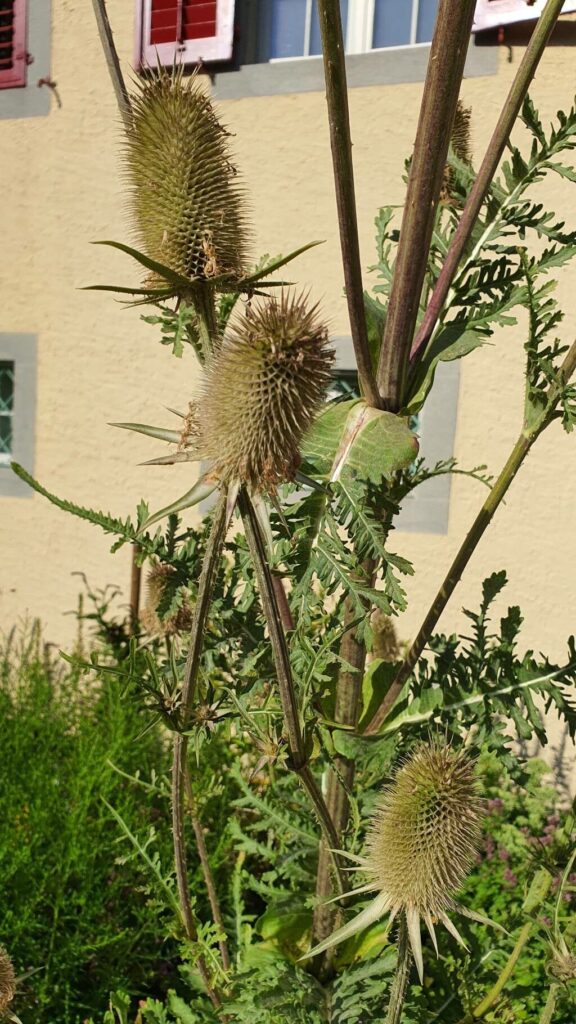
The Dipsacus laciniatus, better known as the cutleaf teasel, is a striking plant with a wild, architectural beauty. Its tall, spiky stems and unique seed heads are a sight to behold, attracting pollinators and adding drama to any garden. If you’re looking to introduce this fascinating species to your own outdoor haven, propagating your own cutleaf teasel is a rewarding endeavor. This guide will walk you through the two most effective methods:
1. Seed Propagation: Embracing the Element of Surprise
For those who enjoy a touch of the unexpected in their gardening adventures, propagating cutleaf teasel from seed is an excellent option. This method embraces the genetic diversity of the plant, potentially yielding offspring with subtle variations in height, flower color, and spikiness. Here’s what you need to know:
- Seed Collection: In late summer, keep an eye out for the teasel’s distinctive cone-shaped seed heads turning brown and brittle. These are signs that the seeds are ripe for collection. Simply snip off the heads and allow them to dry completely in a well-ventilated area. Once fully dry, gently crush the heads to release the seeds.
- Sowing Time: Cutleaf teasel seeds exhibit cold dormancy, meaning they need a period of cold temperatures to germinate successfully. Sow the seeds directly outdoors in the fall, pressing them lightly into the soil. Nature will take care of the rest during the winter months, preparing the seeds for germination in spring.
- Patience is Key: While some lucky gardeners may witness seedlings emerge in spring, don’t fret if germination takes a bit longer. Some seeds may exhibit delayed germination, sprouting the following year.
2. Division: Multiplying Your Teasel Treasure
If you’re looking to replicate the exact characteristics of a beloved teasel plant, division is the way to go. This method involves separating a mature plant into smaller sections, each containing roots and shoots, guaranteeing successful clones. Here’s a step-by-step guide:
- Timing is Everything: Early spring, just as new growth begins to emerge, is the ideal time to divide your cutleaf teasel.
- Digging Deep: Carefully dig up the entire plant, ensuring you capture as much of the root system as possible. A sharp spade or garden fork will make this task much easier.
- Separation Anxiety: Gently shake off excess soil to reveal the plant’s structure. Using a clean, sharp knife or pruning shears, divide the plant into sections, making sure each division has a healthy set of roots and at least one growth point.
- New Beginnings: Replant the divisions immediately in their new locations, ensuring the planting depth matches that of the original plant. Water thoroughly to encourage establishment.
Caring for Your Teasel Progeny:
Regardless of your chosen propagation method, providing optimal growing conditions will ensure your cutleaf teasel thrives. Choose a sunny location with well-drained soil, and provide supplemental watering during periods of drought. Once established, these resilient plants are relatively low-maintenance and will reward you with their unique beauty for years to come.
Propagating Dipsacus laciniatus is a captivating journey for any gardener, offering the thrill of nurturing new life and witnessing the fascinating life cycle of this remarkable plant. So, go ahead and embrace the wild side of gardening by welcoming the cutleaf teasel into your green sanctuary.