
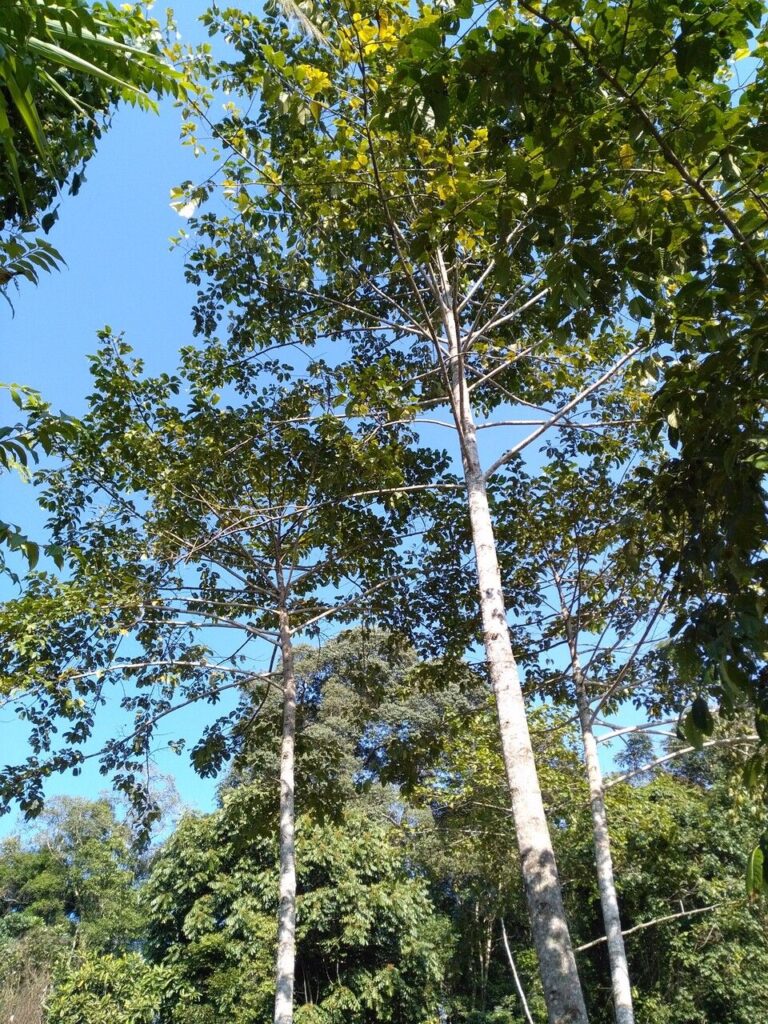
From Seed to Sapling: Unveiling the Secrets of Dipterocarpus retusus Propagation
The Dipterocarpus retusus, also known as the “Gurjan” or “Yang”, is a majestic tree native to Southeast Asia. Known for its stunning foliage, gorgeous wood, and valuable resin, this species has long been a prized resource for both locals and the timber industry. But beyond its beauty and utility lies an intriguing aspect: the propagation of this remarkable tree.
Unraveling the Mystery of Dipterocarpus Retusus Propagation:
While Dipterocarpus retusus can be propagated through various methods, seed propagation is widely considered the most common and effective approach. Here’s a breakdown of the steps involved:
- Seed Collection & Preparation:
- Timing is crucial: Harvest seeds shortly after they mature, typically between February and April. Look for ripe fruits that have turned dark brown or black.
- Extraction & Cleaning: Carefully remove the seeds from the fruit and clean them thoroughly. Remove any adhering pulp or debris to prevent fungal growth.
- Seed Treatment:
- Sowing: Sow seeds directly into well-prepared seedbeds or germination trays, ensuring adequate drainage and consistent moisture.
- Pre-treatment: To enhance germination potential, pre-treatment methods like soaking seeds in warm water for 24 hours or scarification can be employed. Scarification involves lightly nicking the seed coat to aid in water absorption and germination.
- Germination & Seedling Care:
- Sunlight: Germination occurs best under partial shade, mimicking the dappled light found beneath mature trees.
- Watering: Maintain consistent moisture, avoiding overly wet conditions that can lead to root rot.
- Protection: Shelter seedlings from strong winds and harsh sunlight, especially during the initial stages of growth.
- Seedling Transplanting:
- Time: Once seedlings reach a suitable size, typically around 6-12 months old, they can be transplanted to larger pots or directly into the ground.
- Preparing the Site: Select a well-drained location with access to sunlight and prepare the soil by incorporating organic matter.
- Care: Water regularly, especially during dry periods, to ensure the seedlings acclimate well to their new environment.
Alternative Propagation Methods:
While seed propagation remains the gold standard, vegetative methods like cutting or air layering can be explored for specific purposes. These methods involve using sections of existing plants to create new individuals, potentially speeding up the growth process. However, they often require specialized techniques and can be less predictable than seed propagation.
Challenges and Considerations:
- Germination Rate: Dipterocarpus retusus seeds can have a variable germination rate, making it crucial to use a sufficient number of seeds.
- Pest & Disease Control: Seedlings and young plants are particularly susceptible to pests and diseases, requiring careful monitoring and appropriate treatment.
Conclusion:
Propagating Dipterocarpus retusus is a fascinating and rewarding endeavor. By understanding the nuances of seed propagation and providing optimal conditions, you can contribute to the preservation and expansion of this magnificent species. Whether you’re a dedicated home gardener or a conservationist, unlocking the secrets of Dipterocarpus retusus propagation allows us to connect with nature’s beauty and ensure its future generations.