
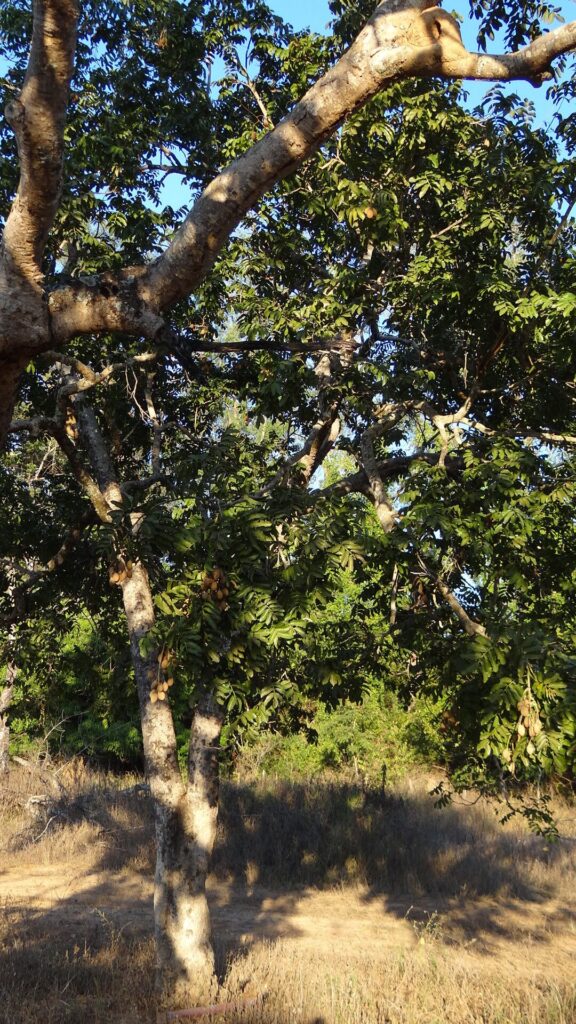
Cracking the Code: How to Propagate the Majestic Baru Tree (Dipteryx alata)
The Baru tree (Dipteryx alata), native to the Cerrado region of Brazil, is a testament to nature’s generosity. Not only does it grace the landscape with its majestic presence, but it also gifts us with nutrient-packed Baru nuts, increasingly hailed as a superfood. Intrigued? If you’re dreaming of cultivating this magnificent tree, understanding its propagation is the first step.
While conventionally propagated from seeds, the journey from seed to sapling requires patience and a touch of green thumb magic. Let’s delve into the details:
Method 1: Seed Propagation – Embracing the Natural Rhythm:
- Seed Selection: Opt for fresh, healthy Baru nuts, ideally still within their pods. Sourcing from reputable suppliers ensures viability and genetic diversity.
- Scarification: The Baru nut’s outer shell is notoriously tough. To encourage germination, scarification is crucial. Gently rub the seed coat with sandpaper or a file, creating a small opening without damaging the inner embryo.
- Soaking: Soak the scarified seeds in water for 24 hours. This softens the seed coat further and kickstarts the germination process.
- Sowing: Plant the seeds about 2-3 cm deep in a well-draining potting mix. Maintaining moisture is crucial, but avoid waterlogging.
- Patience is Key: Germination can take anywhere from a few weeks to several months. Don’t lose hope! Ensure a warm and humid environment, mimicking the Baru tree’s natural habitat.
Method 2: Vegetative Propagation – A Faster Route:
For those seeking a quicker and potentially more reliable approach, vegetative propagation methods like grafting and cuttings are gaining traction.
- Grafting: This technique involves fusing a cutting from a desirable Baru tree onto a compatible rootstock. While requiring horticultural expertise, grafting can expedite fruiting and ensure desirable traits.
- Cuttings: Though less common, taking cuttings from mature, healthy branches is possible. Rooting hormones and controlled environments can enhance success rates.
Nurturing Your Baru Sapling:
Regardless of your chosen propagation method, nurturing your Baru sapling is crucial for its survival and growth.
- Sunlight: Provide ample sunlight, gradually acclimating the seedling to direct exposure.
- Watering: Maintain consistent moisture, especially during the first year.
- Soil: Well-draining, nutrient-rich soil is essential.
- Protection: Shield young saplings from extreme temperatures, pests, and diseases.
Beyond Propagation:
Cultivating a Baru tree is a long-term commitment, but the rewards are manifold. This majestic tree will grace your landscape for generations, providing shade, enriching the soil, supporting biodiversity, and ultimately yielding the nutritious bounty of Baru nuts.
Remember, every step in the propagation process is a learning experience. Embrace the journey, and before you know it, you’ll be nurturing a symbol of resilience, sustenance, and the remarkable interconnectedness of nature.