
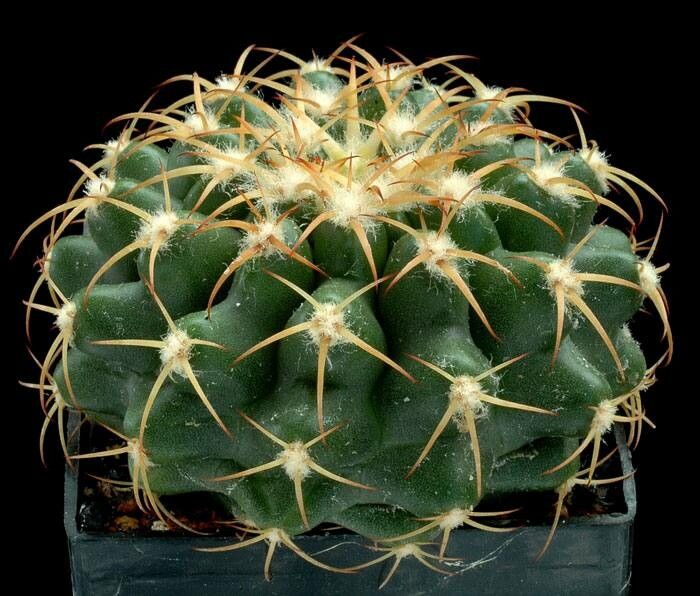
Grooving with Discocactus: A Guide to Propagating the Party Cactus
The Discocactus heptacanthus, affectionately nicknamed the “party cactus” for its crown of wooly, hair-like trichomes, is a unique and sought-after addition to any cacti collection. While famously slow-growing, this Brazilian native can be propagated, though it requires a bit more finesse than your average succulent cutting.
This guide will illuminate the two main propagation methods for Discocactus heptacanthus:
1. Seeds: A Test of Patience
Propagating Discocactus heptacanthus from seed is the most common method, though it requires a significant time investment for those miniature cacti to reach maturity.
Here’s what you’ll need:
- Fresh Discocactus heptacanthus seeds: Sourcing from reputable sellers is crucial for viability.
- Seed starting mix: A well-draining mix designed for cacti and succulents is ideal.
- Shallow seed tray or pot: Choose a container with drainage holes.
- Humidity dome or plastic wrap: To trap moisture and encourage germination.
- Bright, indirect light: Avoid direct sunlight which can scorch delicate seedlings.
- Patience: Germination can take anywhere from a few weeks to several months.
Steps:
- Sow seeds: Scatter seeds thinly on the surface of the moistened seed starting mix. Do not bury them.
- Create a humid environment: Cover the tray with a humidity dome or plastic wrap.
- Provide consistent moisture: Mist the soil surface regularly, ensuring it doesn’t dry out completely.
- Wait and watch: Once seedlings emerge, gradually acclimate them to lower humidity levels by opening the dome slightly over time.
- Transplant: When seedlings are large enough to handle (around the size of a pea), carefully transplant them into individual pots with well-draining soil.
2. Offsets: The Offspring Lottery
Discocactus heptacanthus occasionally produces offsets, small cacti pups that grow at the base of the mother plant. These can be propagated, though offset production is not guaranteed.
Here’s what to do:
- Sharp, sterile knife or scissors: To cleanly remove the offset.
- Well-draining cactus potting mix
- Small pot with drainage holes
Steps:
- Identify a healthy offset: Look for pups that are at least 1/3 the size of the mother plant.
- Remove the offset: Carefully cut the offset away from the mother plant, ensuring you capture some of the connecting tissue.
- Let it callus: Leave the cut end of the offset to dry and callus over for a week or two.
- Plant the offset: Place the callused offset on top of the moistened potting mix, ensuring the cut end is not buried.
- Water sparingly: Water only when the soil is completely dry to encourage root development.
General Tips for Success:
- Warm temperatures: Aim for a consistent temperature between 70-85°F (21-29°C) during the growing season.
- Good air circulation: Promotes healthy growth and prevents fungal issues.
- Fertilize sparingly: Diluted cactus fertilizer can be applied during the growing season.
Propagating Discocactus heptacanthus is a rewarding, though sometimes lengthy, journey. Whether you choose the meticulous route of seeds or try your luck with offsets, patience and attention to detail are key. With time and the right care, you can cultivate your own groovy party of these charismatic cacti.