
Propagating Disporum uniflorum: A Gardener’s Guide to the Fairy Bells
Introduction
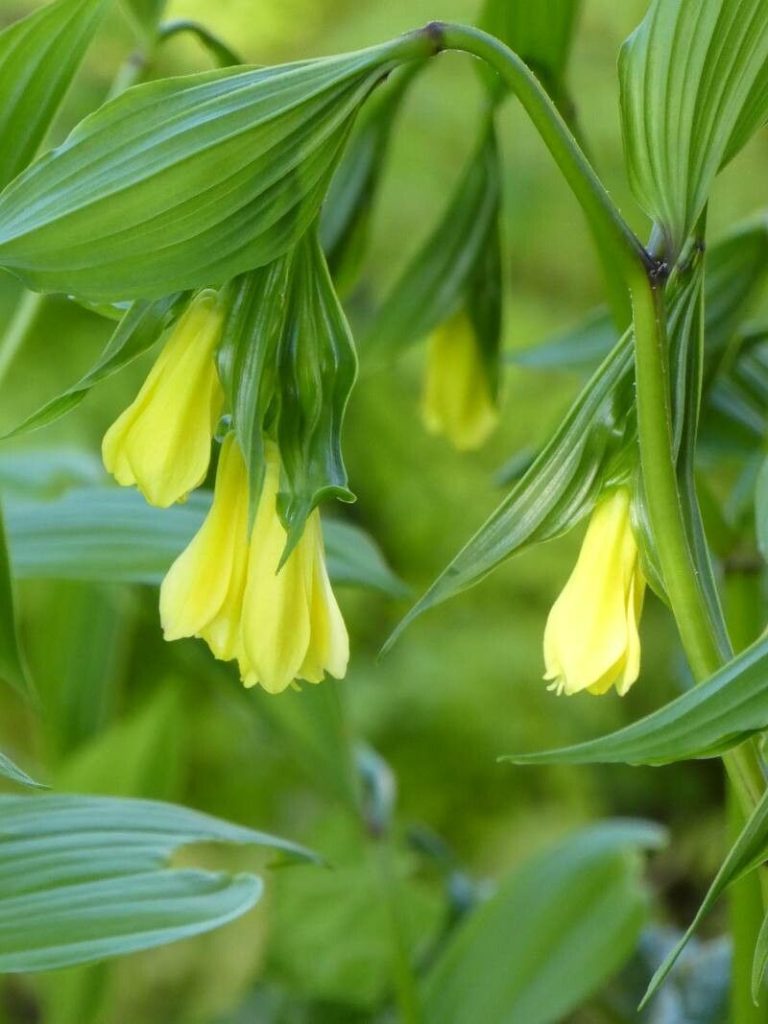
Disporum uniflorum, commonly known as Fairy Bells or Nodding Fairy Bells, is a charming woodland plant prized for its delicate, bell-shaped flowers and attractive foliage. Its arching stems laden with pendulous blooms, often in shades of creamy white or yellowish-green, make it a sought-after addition to shady gardens. Its relative ease of cultivation in suitable conditions contributes to its popularity, however, propagation can present some challenges. This guide explores various methods for propagating Disporum uniflorum, weighing the pros and cons of each approach.
Seed Germination:
Currently, there are no known reliable methods for seed germination propagation of Disporum uniflorum. While the plant produces seeds, germination rates are notoriously low, even with pre-treatments like stratification. The slow growth rate of seedlings further complicates this method, making it impractical for most gardeners.
Cuttings:
Propagating Disporum uniflorum from cuttings is also challenging, with limited success reported.
Challenges: Cuttings tend to be slow to root, and the success rate is highly dependent on precise environmental conditions and timing. The use of rooting hormone may slightly improve the odds, but is not guaranteed.
Practical Tips (if attempting): Softwood cuttings taken in early summer, using basal cuttings (taken from the base of the plant), have shown some of the highest success rates in limited trials. These cuttings should be taken from healthy, vigorously growing stems. A humid, warm environment (propagator with bottom heat is ideal) is crucial for rooting. Use a well-draining rooting medium, such as a peat and perlite mix.
Rewards (if successful): Genetic diversity would be the primary reward, though this propagation method is unlikely to yield large-scale propagation.
Division:
Division is the most reliable and commonly used method for propagating Disporum uniflorum.
Challenges: Division can sometimes result in damage to the rhizomes, which can hinder the survival and growth of the separated sections. The plant’s relatively slow growth rate means that only limited propagation is possible from a single plant at any given time.
Practical Tips: The best time for division is in early spring or late autumn, after the plant has finished flowering or before new growth emerges. Carefully dig up the mature clump and gently separate the rhizomes into smaller sections, ensuring each section has several healthy growing points and roots. Replant immediately, keeping the root systems moist at all times.
Rewards: Division offers a relatively quick and reliable method to increase the number of plants, guaranteeing genetic consistency and producing established plants that are quicker to establish and flower.
Tissue Culture:
Tissue culture is a viable but specialized method for propagating Disporum uniflorum.
Challenges: This method requires specialized equipment, sterile conditions, and a good understanding of plant tissue culture techniques. It is not a method appropriate for the home gardener.
Practical Tips: Successful tissue culture requires utilizing a growth medium supplemented with plant hormones to stimulate shoot and root development. Sterilization of both the plant material and the growth media is paramount to avoid contamination.
Rewards: Tissue culture allows for large-scale propagation, preserving genetic identity, and can be used for disease eradication.
Conclusion:
Propagating Disporum uniflorum successfully presents certain hurdles, with division standing out as the most practical method for the average gardener. While seed germination and cuttings have yielded limited success in research, tissue culture provides a highly efficient, albeit specialized path. The rewards, however, are well worth the effort. The slow, deliberate nature of cultivating Disporum uniflorum, regardless of the chosen propagation method, parallels the plant’s serene presence in the garden. The satisfaction derived from nurturing a small rhizome into a flourishing clump of Fairy Bells, or successfully rooting a stubborn cutting, makes the challenge an integral part of the unique joy of cultivating this lovely plant. So, armed with this knowledge, aspiring propagators can approach the task with a mixture of patience and determination, enjoying the rewards of their efforts in the beauty of their blooming Fairy Bells.