
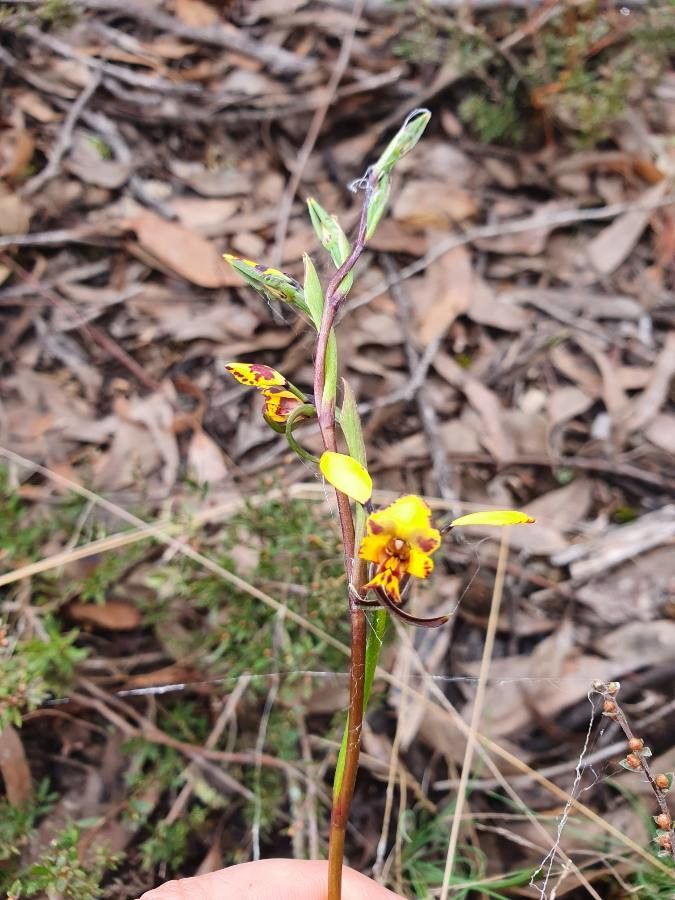
Unmasking the Mystery: Propagating the Leopard Orchid (Diuris pardina)
The Leopard Orchid (Diuris pardina), with its striking, spotted blooms, is a treasure of the Australian landscape. Unlike many orchids known for their finicky nature, the Diuris pardina presents an exciting opportunity for propagation, even for those new to the world of orchid growing. So, let’s delve into the secrets of successfully multiplying these beauties and bringing a touch of the Australian bush into your own backyard.
Understanding the Leopard Orchid:
Before we embark on our propagation journey, it’s crucial to understand what makes the Diuris pardina tick. This terrestrial orchid, native to southeastern Australia, thrives in well-drained soils and enjoys sunny to partially shaded conditions. Understanding its natural habitat gives us valuable clues for successful propagation.
Division: The most common and arguably easiest method for propagating Diuris pardina is division. During the dormant season (typically after flowering), carefully lift the plant from its pot or the ground. You’ll notice clumps of tubers connected by rhizomes. Using a clean, sharp knife or pair of shears, divide the clump into sections, ensuring each section has at least 3-4 healthy tubers. Replant these divisions at the same depth they were originally growing, water well, and watch them flourish.
- Seed Germination (Advanced): While possible, propagating Diuris pardina from seed is a challenging endeavor best left to experienced growers. Orchid seeds are incredibly tiny and lack the endosperm (food source) found in most other seeds. This means they require a symbiotic relationship with specific mycorrhizal fungi to germinate and grow. Specialized techniques and sterile environments are crucial for success.
Creating the Ideal Growing Conditions:
Regardless of your chosen propagation method, providing the right environment is key to success:
- Well-draining Soil: A free-draining potting mix specifically designed for Australian native orchids is ideal. You can create your own mix using ingredients like bark chips, coarse sand, and perlite.
- Sunlight: Diuris pardina enjoys sunny to partially shaded conditions. Aim for at least